
Karachi Shut Out of MDCAT Top 20 as Interior Sindh Dominates Merit List
Karachi candidates failed to secure a spot in the top 20 of the Sindh MDCAT results announced by Sukkur IBA, sparking debates on regional educational equity.
The Core Development
The announcement of the Medical and Dental College Admission Test (MDCAT) results for Sindh has laid bare a striking geographic divide in educational performance, with not a single candidate from the Karachi Division managing to break into the top 20 positions. According to the official results released by Sukkur IBA (SIBA) Testing Services on Monday, the highest score of 179 out of 180 was secured by a female candidate hailing from Shikarpur. She was closely followed by high achievers from Tharparkar, Larkana, and Qambar-Shahdadkot.
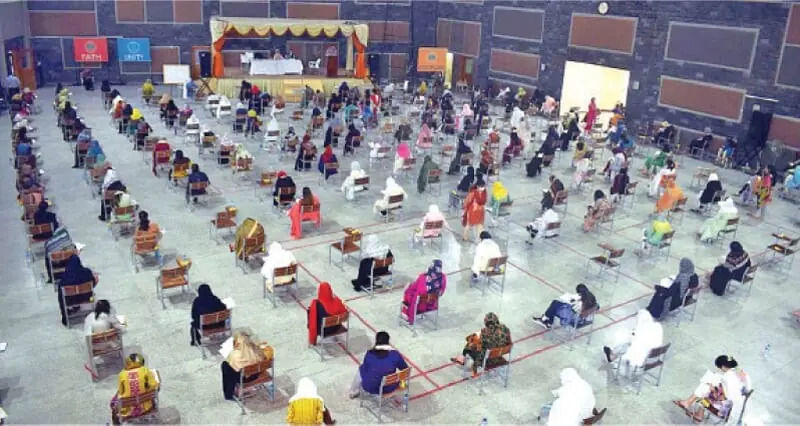
The examination, designated as MDCAT-2026, was administered on September 20 across nine designated testing centres. These included two facilities in Karachi, alongside regional centres in Hyderabad, Jamshoro, Mirpurkhas, Shaheed Benazirabad, Larkana, Sukkur, and Islamabad. Despite Karachi hosting two major testing hubs and boasting the largest student population in the province, the remaining 15 spots in the top tier were overwhelmingly captured by students from districts such as Badin, Naushahro Feroze, Mirpurkhas, Shaheed Benazirabad, Hyderabad, Dadu, and Khairpur. The highest-ranking student from Karachi appeared only at serial number 21 on the merit list published on the SIBA portal, signaling a sharp departure from historical trends where metropolitan centers typically dominated competitive academic rankings.
Commercial & Economic Implications
While academic merit lists primarily reflect educational outcomes, systemic disparities in educational quality carry profound macroeconomic and commercial consequences for Pakistan's healthcare and human capital sectors. High-performing students from interior Sindh districts who secure admissions to premier medical institutions represent a shifting demographic in the professional workforce. The concentration of top-tier academic talent outside the commercial hub of Karachi underscores the urgent need for targeted investments in educational infrastructure across secondary cities.
Furthermore, the cost of medical education, private coaching, and test preparation services constitutes a major household expenditure. The success of candidates from diverse districts highlights the commercial expansion of specialized coaching networks beyond major metropolitan areas. However, disparities in institutional quality between Karachi and interior Sindh continue to influence regional economic mobility, as medical degrees remain one of the most reliable pathways to upper-middle-class stability and high-value professional employment in Pakistan.
Related Intelligence: Ugandan Royal Succession Crisis Threatens Regional Stability and Trade
Stakeholder Perspectives & Market Reactions
The unexpected shutout of Karachi candidates from the top ranks has triggered intense debate among educationists, parent-teacher associations, and policymakers. Critics of the urban education system point toward declining standards in public sector schools, inconsistent curricula implementation, and the proliferation of unregulated coaching centers in the metropolis. Conversely, defenders of SIBA Testing Services have lauded the transparency and rigorous standardization of the examination process, arguing that the results accurately reflect raw merit unhindered by geographic bias.
Student bodies and academic unions have called for a comprehensive audit of the testing methodology and syllabus alignment across different educational boards in Sindh. Stakeholders emphasize that the stark contrast in results between Karachi and interior districts demands a structural review of how science education is funded, taught, and evaluated across urban and rural divides.
Forward Outlook & Key Watchpoints
As the admissions cycle progresses following the release of the MDCAT-2026 results, educational authorities face mounting pressure to address the underlying causes of urban academic underperformance. Key watchpoints include the upcoming verification of documents, the finalization of medical college seat allocations, and potential legal challenges or petitions from affected student groups in Karachi.
Policymakers must monitor how these results impact institutional planning and regional quotas within public medical universities. Long-term policy enforcement will likely focus on standardizing secondary education quality to ensure that students across all divisions of Sindh compete on a genuinely level playing field in future high-stakes professional examinations.
Join Our Official WhatsApp Channel
Receive live commodity alerts, policy changes, and commercial intelligence directly on WhatsApp.