
Iran Resumes Najaf Flights Amid UN Challenge to US Sanctions
Tehran has filed a formal United Nations complaint against US sanctions that forced regional flight cancellations, even as commercial aviation routes between Iran and Iraq's Najaf officially resumed.
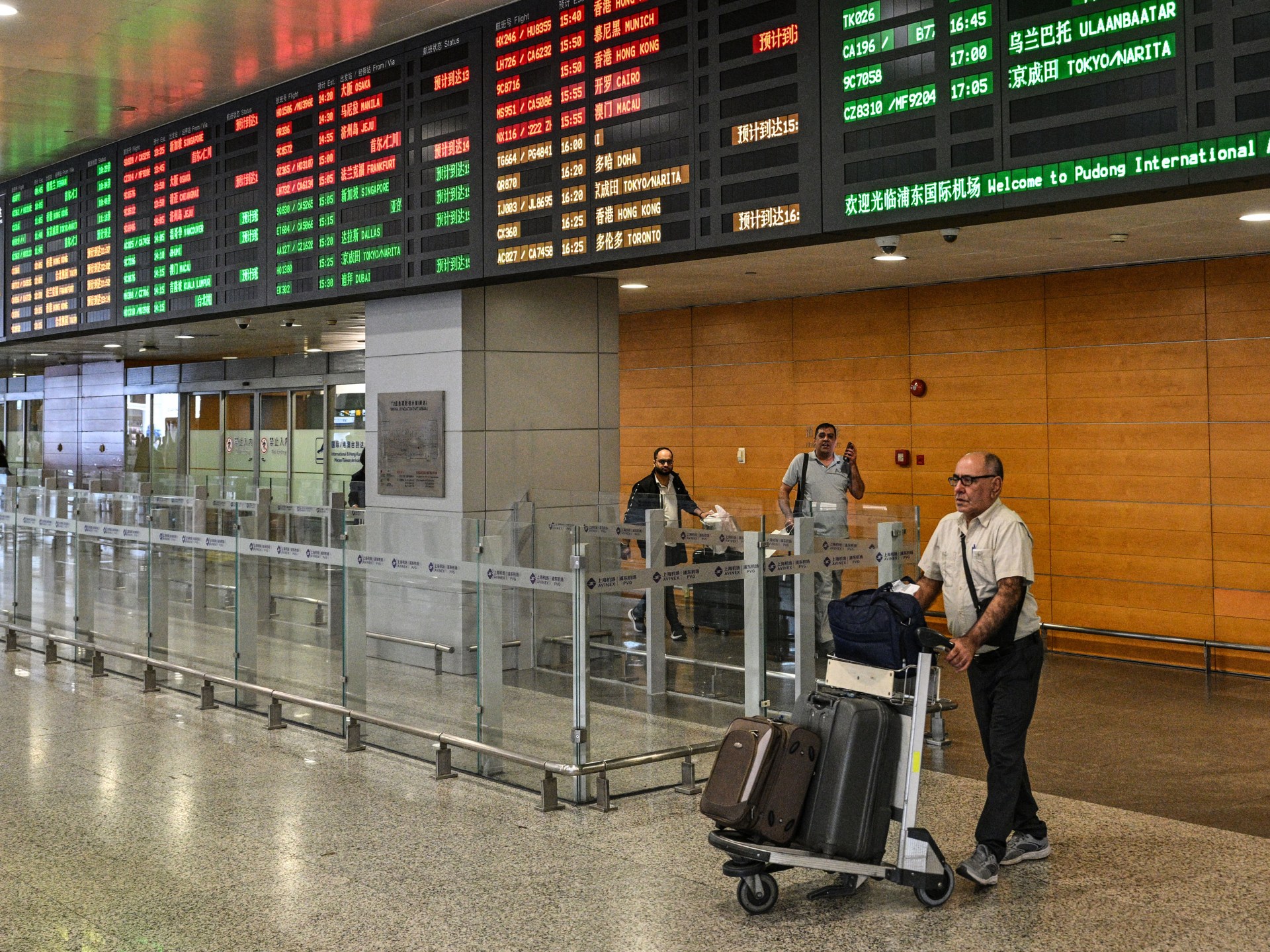
Geopolitical & Core Developments
Tensions across the Middle East have entered a complex new phase as Tehran officially files a high-stakes complaint with the United Nations, targeting sweeping American sanctions that have severely disrupted regional aviation networks. The diplomatic maneuver comes directly on the heels of forced cancellations of numerous civilian flights across the Middle East, a fallout stemming from tightening Washington-led regulatory constraints on Iranian carriers and associated air corridors. Despite the severe diplomatic friction and the intensifying legal contest at the international body, commercial aviation channels linking Iran to Iraq's holy city of Najaf have officially resumed operations. This resumption signals a calculated push by regional actors to maintain vital cross-border transit links, even as they navigate the treacherous waters of overlapping international jurisdictions and unilateral economic coercion. The reopening of the Najaf-Tehran air bridge underscores the resilience of bilateral channels between Baghdad and Tehran, serving as a critical lifeline for religious tourism, diplomatic delegations, and private commercial exchange. Yet, the underlying legal battle at the UN highlights a broader, systemic struggle over sovereignty, airspace management, and the extraterritorial reach of Washington's financial and commercial restrictions. State actors in the region find themselves increasingly caught between compliance with Western regulatory frameworks and the practical necessity of maintaining contiguous economic and logistical integration.
Global Trade & Economic Ripples
The ongoing regulatory standoff between Washington and Tehran carries profound implications for global trade, particularly regarding regional transport logistics, insurance underwriting, and secondary commodity flows. The imposition of stringent US curbs on Iranian aviation assets forces international logistics providers and regional carriers to continually reassess operational risks, driving up compliance costs and insurance premiums across the broader Middle Eastern theater. While the resumption of flights between Najaf and Tehran provides immediate relief to passenger transit and localized service sectors, the broader commercial environment remains plagued by uncertainty. Global energy markets and regional supply chains are acutely sensitive to disruptions in Middle Eastern transit corridors, where any escalation in regulatory enforcement or retaliatory measures can instantaneously impact shipping lanes, charter rates, and investor sentiment. Furthermore, the restriction of financial transactions tied to aviation maintenance and refueling complicates operational continuity for carriers operating in contested airspace. As financial institutions err on the side of extreme caution to avoid punitive secondary sanctions from the United States, trade financing for regional commerce faces persistent bottlenecks, exerting downward pressure on multilateral trade efficiency and elevating operational overheads for businesses operating across the geopolitical fault lines.
Related Intelligence: Somali Clashes Threaten Regional Stability and Trade Routes
International Reactions & Diplomatic Stances
The formal UN complaint lodged by Tehran has elicited a mixed chorus of diplomatic posturing and guarded commentary from international bodies, Western capitals, and market analysts. Representatives for the United Nations have acknowledged receipt of the legal filing, noting that the body's legal and aviation agencies are reviewing the intricate jurisdictional arguments concerning sovereign airspace and the legality of secondary economic sanctions. Washington maintains that its regulatory measures are vital national security instruments designed to counter destabilizing regional activities, dismissing the legal challenge as a predictable diplomatic maneuver by Tehran. Meanwhile, European allies and regional observers have expressed growing concern over the weaponization of commercial aviation and financial infrastructure for geopolitical leverage. Market analysts tracking Middle Eastern trade dynamics emphasize that the UN complaint could set a significant legal precedent regarding the limits of extraterritorial sanctions on global mobility. Multilateral bodies and trade associations continue to monitor the situation closely, warning that prolonged legal uncertainty risks fragmenting international aviation standards and complicating cross-border commercial frameworks far beyond the immediate region.
Strategic Outlook & Future Scenarios
Looking ahead, the trajectory of US-Iran aviation tensions and the broader sanctions regime will depend heavily on the UN's procedural response and forthcoming diplomatic engagements between regional capitals. If the United Nations opts to substantively review Tehran's complaint, it could spark a broader international debate on the limits of unilateral economic statecraft within multilateral frameworks. Conversely, a dismissal or prolonged delay could prompt Tehran to pursue asymmetric countermeasures, potentially escalating friction across strategic shipping lanes and critical energy transit bottlenecks in the Persian Gulf. Upcoming international summits and bilateral talks between Iraqi and Iranian officials will likely focus on insulating vital trade and transport corridors from external regulatory shocks. For global commodity traders and supply chain operators, the primary takeaway is the necessity of maintaining robust risk-mitigation strategies. As geopolitical fault lines continue to harden, commercial entities must prepare for a persistent state of regulatory volatility, where abrupt shifts in sanctions enforcement can instantly reshape the economics of international trade and regional connectivity.
Join Our Official WhatsApp Channel
Receive live commodity alerts, policy changes, and commercial intelligence directly on WhatsApp.