
Trump Pressures US Lawmakers to Permanentize Daylight Saving Time
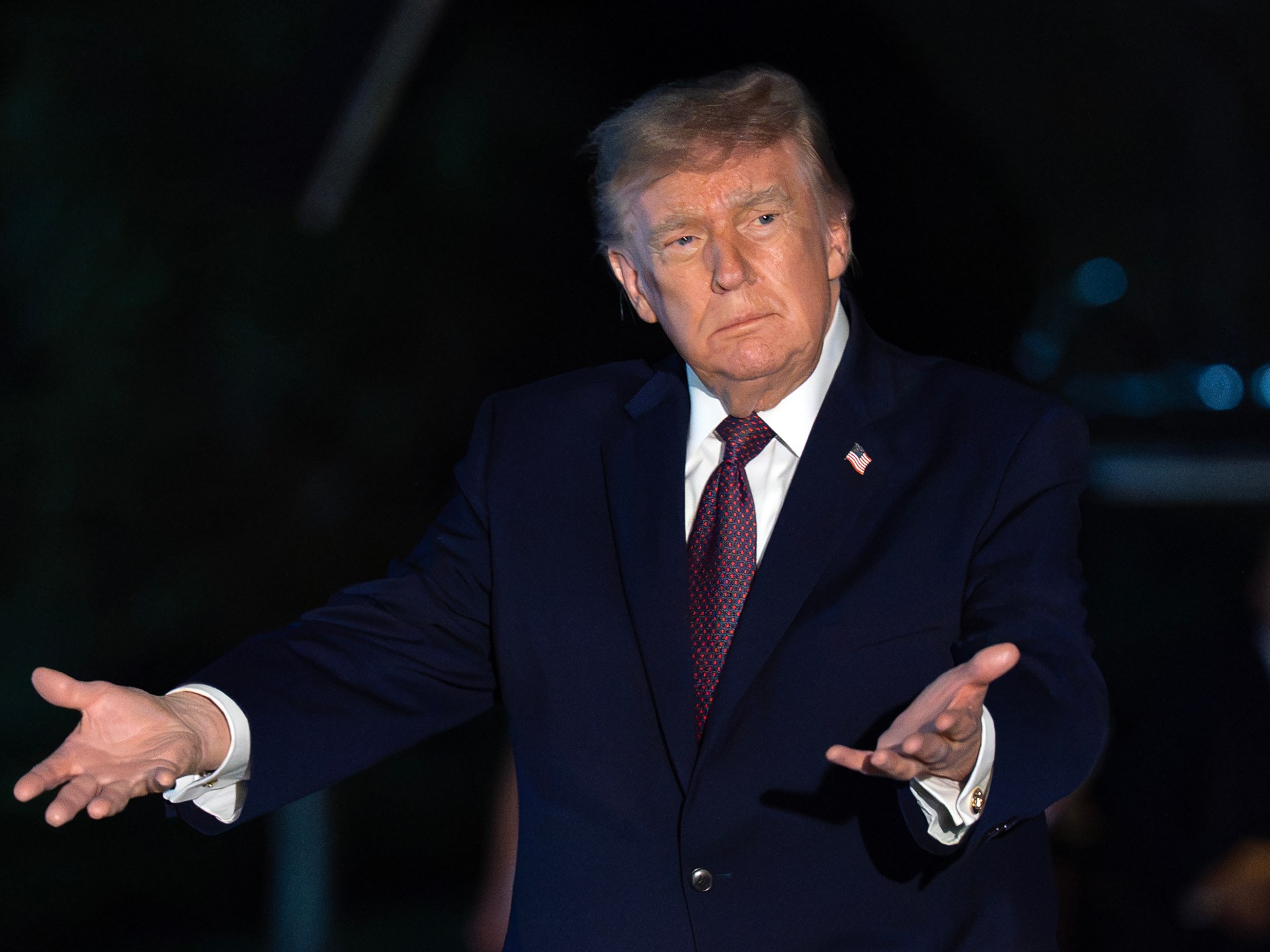
US President intensifies pressure on congressional Republicans to end biannual clock switching by publishing a lawmaker's cell phone number to demand permanent Daylight Saving Time legislation.
Geopolitical & Core Developments
United States domestic policy has increasingly intersected with broader international commercial stability as executive pressure mounts on Capitol Hill. In a dramatic escalation of legislative lobbying, the US president publicly shared a senior Republican lawmaker's cell phone number via digital platforms, demanding immediate action to pass a bill establishing permanent Daylight Saving Time (DST). This aggressive tactic underscores a rare bipartisan policy ambition colliding with legislative inertia in Washington. While the Sunshine Protection Act has previously garnered unusual consensus across polarized aisles, procedural gridlock has consistently delayed its enactment. The administration's intervention signals a shift toward high-stakes executive leverage, transforming a routine domestic administrative debate into a high-profile political showdown with potential repercussions for federal legislative norms and governance.
[Global Trade](/news/us-midterm-pivot-threatens-global-trade-stability-and-energy-markets) & Economic Ripples
Although clock switching is primarily viewed as a domestic inconvenience, the commercial ramifications of a permanent shift to Daylight Saving Time extend deeply into global trade, financial markets, and supply chain logistics. International trading partners, particularly in Europe and Asia, rely heavily on synchronized financial windows with Wall Street and major US commercial hubs. Altering the baseline of US timekeeping permanently desynchronizes North American market hours from international counterparts during specific transition weeks, creating temporary friction in foreign exchange settlements, derivative pricing, and cross-border telecommunications. Furthermore, retail, energy, and transportation sectors anticipate distinct structural shifts. Extended evening daylight traditionally boosts consumer discretionary spending and leisure sector revenues, while altering peak residential energy demand curves. For multinational logistics firms operating integrated North American supply chains, eliminating biannual adjustments reduces administrative friction, scheduling errors, and software synchronization costs across cross-border freight corridors.
Related Intelligence: Trump Exposes Senator Phone Number Amid Daylight Saving Feud
International Reactions & Diplomatic Stances
Global observers and international trade associations have monitored the legislative standoff with cautious interest, evaluating how US time policy modifications might affect multilateral business operations. Foreign diplomatic missions in Washington have noted the unprecedented nature of the executive's lobbying strategy, which highlights the intensifying friction between executive ambitions and legislative independence in contemporary American politics. Economic analysts in major financial capitals suggest that while the policy change itself carries modest macroeconomic weight, the manner of its enforcement reflects a continuation of volatile domestic policymaking styles. Multilateral organizations concerned with global aviation and maritime coordination have also begun technical assessments to ensure that international flight scheduling and global cargo tracking databases can seamlessly adapt if the United States unilaterally freezes its standard timekeeping mechanisms.
Strategic Outlook & Future Scenarios
As the legislative battle intensifies, the trajectory of the Sunshine Protection Act remains contingent upon congressional leadership's response to executive pressure. Should the administration's aggressive tactics succeed in compelling a floor vote, the United States could permanently alter its time architecture within the next legislative cycle. This precedent would likely prompt Canada and Mexico to reevaluate their own provincial and state-level time zones to maintain commercial alignment with their largest trading partner. Conversely, continued congressional resistance could deepen executive-legislative friction, delaying reform indefinitely and preserving the status quo of biannual disruptions. For global investors and international traders, the primary takeaway lies in preparing software, logistical timelines, and cross-border operational frameworks for a potential structural shift in North American scheduling synchronization.
Join Our Official WhatsApp Channel
Receive live commodity alerts, policy changes, and commercial intelligence directly on WhatsApp.