
Trump Exposes Senator Phone Number Amid Daylight Saving Feud
US President Donald Trump escalated a legislative dispute by publishing a senator's phone number online over the daylight saving time bill.
The Core Development
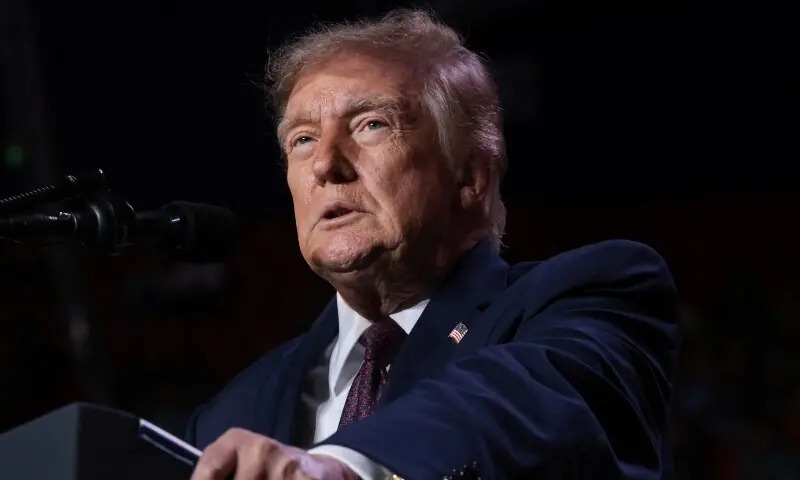
US President Donald Trump dramatically escalated a legislative feud on Saturday by publishing what he claimed was the personal phone number of Republican US Senator Tom Cotton of Arkansas on Truth Social. The public call-out centers on the Sunshine Protection Act, a stalled legislative initiative designed to make daylight saving time permanent across the United States, thereby abolishing the century-old practice of shifting clocks forward and backward by one hour twice a year.
In his social media post, Trump urged citizens to contact the Arkansas senator directly, accusing him of single-handedly obstructing a policy that he claims enjoys overwhelming public support. "Everybody in Arkansas, Tom Cotton, a friend of mine, is holding up a very important bill," Trump wrote, linking the legislative gridlock to broader frustrations regarding executive and congressional cooperation on domestic reforms. The Sunshine Protection Act has long navigated a complex path through Capitol Hill, caught between advocates of extended evening daylight and critics concerned about the physiological and economic disruptions associated with abandoning standard time.
Commercial & Economic Implications
While the dispute remains anchored in American domestic policy, regulatory shifts in major global economies frequently send ripples through international markets, commercial supply chains, and multinational trading partners, including Pakistan. Changes in daylight hours directly influence consumer behavior, retail operating hours, energy consumption patterns, and logistical coordination for businesses engaged in transatlantic or transpacific trade.
For Pakistan’s burgeoning retail, textile, and information technology sectors—which maintain extensive commercial linkages with American corporate partners—shifts in US consumer demand profiles can indirectly affect export volumes and delivery timelines. Furthermore, energy policy debates in Washington, such as those surrounding permanent daylight saving time, often foreshadow broader shifts in global energy conservation frameworks and commodity pricing trends. Pakistani wholesale distributors and export houses monitor these legislative battles closely, as US macroeconomic adjustments invariably influence global inflation trajectories and international liquidity conditions.
Related Intelligence: Bilawal Urges Federal-Provincial Counterterrorism Pact and KP Political Dialogue
Stakeholder Perspectives & Market Reactions
Trump's decision to bypass traditional legislative channels and mobilize public pressure directly against a sitting member of his own party has drawn intense scrutiny from political analysts, legal experts, and business associations. Proponents of permanent daylight saving time, including various retail and leisure industry trade groups in the United States, argue that longer evening sunlight significantly boosts consumer spending, dining out, and recreational commerce.
Conversely, opponents and cautious legislators like Senator Cotton contend that the legislation fails to account for the logistical and safety hazards of plunging early risers, school children, and agricultural workers into total darkness during harsh winter mornings. Public safety officials, transportation unions, and medical associations have historically voiced mixed opinions on the matter, highlighting potential disruptions to circadian rhythms, commuter safety, and morning productivity. The direct targeting of a lawmaker's contact information has also sparked renewed debates regarding political civility, legislative independence, and the boundaries of digital executive communication.
Forward Outlook & Key Watchpoints
As the political standoff over the Sunshine Protection Act deepens, market observers and political analysts will closely monitor whether public pressure from the White House can compel Senate leadership to bring the bill to the floor for a formal vote. The timeline for legislative advancement remains highly uncertain, given the deep divisions within the Republican caucus and competing legislative priorities in Congress.
Key watchpoints for international observers and trade analysts include upcoming congressional committee hearings, formal statements from key economic stakeholders regarding retail impact assessments, and any shifts in broader energy policy legislation. Should the bill eventually clear legislative hurdles, businesses worldwide will need to adapt their scheduling, digital synchronization, and operational frameworks to align with a permanently altered American time structure.
Join Our Official WhatsApp Channel
Receive live commodity alerts, policy changes, and commercial intelligence directly on WhatsApp.