
Trump and US-Backed Venezuelan President Meet Amid Deepening Crisis
US President Trump meets with US-backed Venezuelan leader Delcy Rodriguez following Maduro's arrest, triggering significant shifts in global energy markets and international diplomacy.
Geopolitical & Core Developments
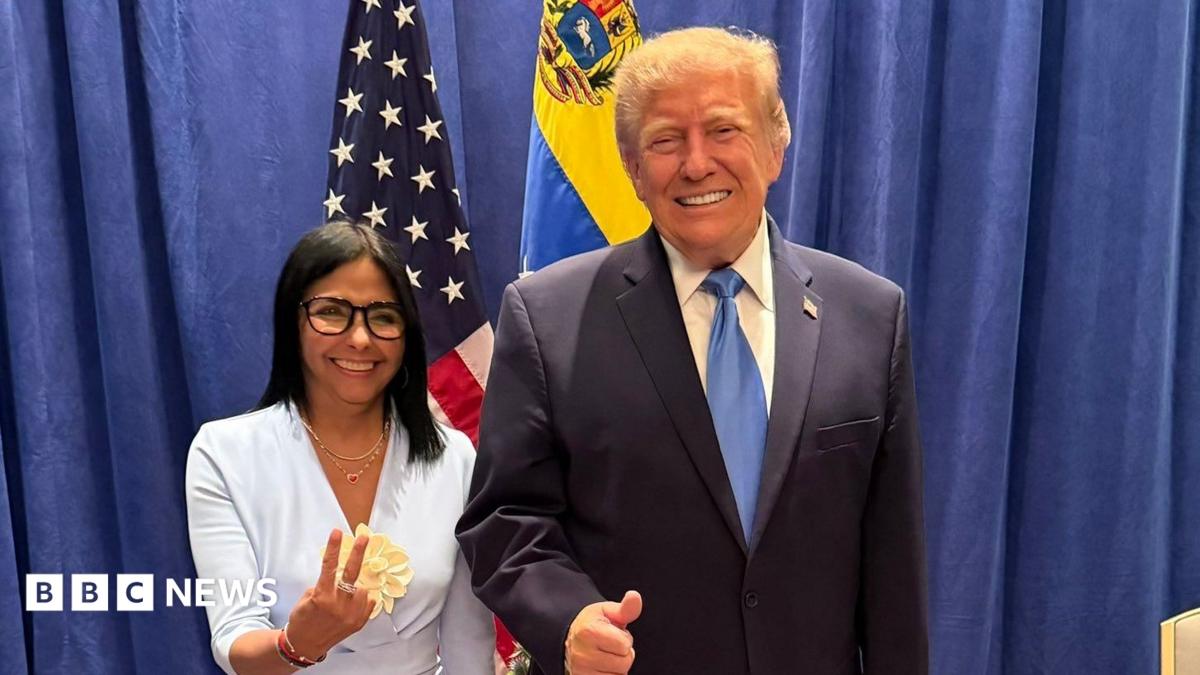
In a momentous shift for Latin American geopolitics, United States President Donald Trump held his first formal meeting with Delcy Rodriguez, the handpicked leader installed by Washington following the dramatic arrest and extrajudicial removal of former strongman Nicolas Maduro. The high-stakes encounter at the White House marks a critical milestone in an unfolding crisis that has radically reshaped regional security architectures. Maduro, who had maintained a tight grip on power despite years of crippling economic sanctions and international isolation, was apprehended during a targeted operation and flown to the United States to face federal charges.
For months, the geopolitical landscape surrounding Caracas has been characterized by acute instability. The transition orchestrated by Washington has sought to dismantle the apparatus of the United Socialist Party while installing a provisional administration tasked with stabilizing the fractured nation. However, the legitimacy of this transition remains a focal point of intense international debate. State actors across the hemisphere are closely watching how the provisional government navigates domestic opposition, military loyalty, and the daunting task of restoring basic institutional functions after decades of economic mismanagement and democratic backsliding.
[Global Trade](/news/hidden-costs-regional-conflict-global-trade-security) & Economic Ripples
The geopolitical upheaval in Caracas carries profound implications for global commodity markets, particularly international energy flows. Venezuela sits atop the largest proven crude oil reserves in the world, yet its production has languished due to decades of underinvestment, infrastructure decay, and stringent Western sanctions. The removal of Maduro and the subsequent engagement between Washington and the Rodriguez administration have sparked intense speculation regarding the rehabilitation of Venezuela's petroleum sector.
Global energy markets responded with notable volatility. Major international oil companies are recalibrating their risk assessments as they evaluate potential opportunities to return to the Orinoco Belt. The resumption of significant heavy crude exports could eventually alleviate tight supply conditions in the US Gulf Coast refining sector, which is historically configured to process Venezuelan grades. Nevertheless, substantial capital expenditure and time will be required to repair damaged extraction facilities, pipelines, and export terminals. Beyond energy, international shipping lanes in the Caribbean are experiencing heightened naval monitoring, while foreign exchange markets monitor the stability of regional currencies tied to commodity cycles.
Related Intelligence: The Hidden Costs of Regional Conflict on Global Trade and Security
International Reactions & Diplomatic Stances
The international community remains deeply fractured over the intervention and subsequent leadership transition in Caracas. Representatives from the United Nations have issued cautious statements emphasizing the paramount importance of upholding international law, human rights, and constitutional order. Meanwhile, traditional US allies in North America and parts of Europe have expressed qualified support for a democratic transition, contingent upon credible electoral timelines and the release of political prisoners.
Conversely, regional powers and anti-interventionist states have strongly condemned the US-led operation, characterizing the arrest of Maduro as a dangerous violation of national sovereignty and a troubling precedent for international relations. Multilateral bodies such as the Organization of American States are engaged in emergency consultations to forge a unified regional response. Market analysts note that this diplomatic polarization introduces persistent compliance risks for multinational corporations attempting to navigate shifting sanction regimes and secondary trade restrictions.
Strategic Outlook & Future Scenarios
As the transitional administration attempts to consolidate authority, the strategic outlook for Venezuela remains precarious. Upcoming international summits will likely feature intense diplomatic sparring over the recognition of the provisional government and the lifting or modification of targeted economic sanctions. The trajectory of the nation hinges on the Rodriguez administration's ability to pacify internal security threats, prevent factional violence within the armed forces, and negotiate debt restructuring with international creditors.
Geopolitical escalation points remain acute, particularly regarding potential asymmetric responses from remaining loyalist factions and foreign actors with strategic stakes in the region, such as Russia and China. For global investors and commodity traders, vigilance is paramount as the situation evolves from overt political confrontation into a complex, protracted institutional rebuilding process with global ramifications.
Join Our Official WhatsApp Channel
Receive live commodity alerts, policy changes, and commercial intelligence directly on WhatsApp.