
King Salman Condemns Houthi Attacks as Regional Security Tensions Escalating
King Salman's rare condemnation of Houthi attacks targeting Mecca highlights escalating security vulnerabilities across the Arabian Peninsula, threatening regional stability and global energy corridors.
Geopolitical & Core Developments
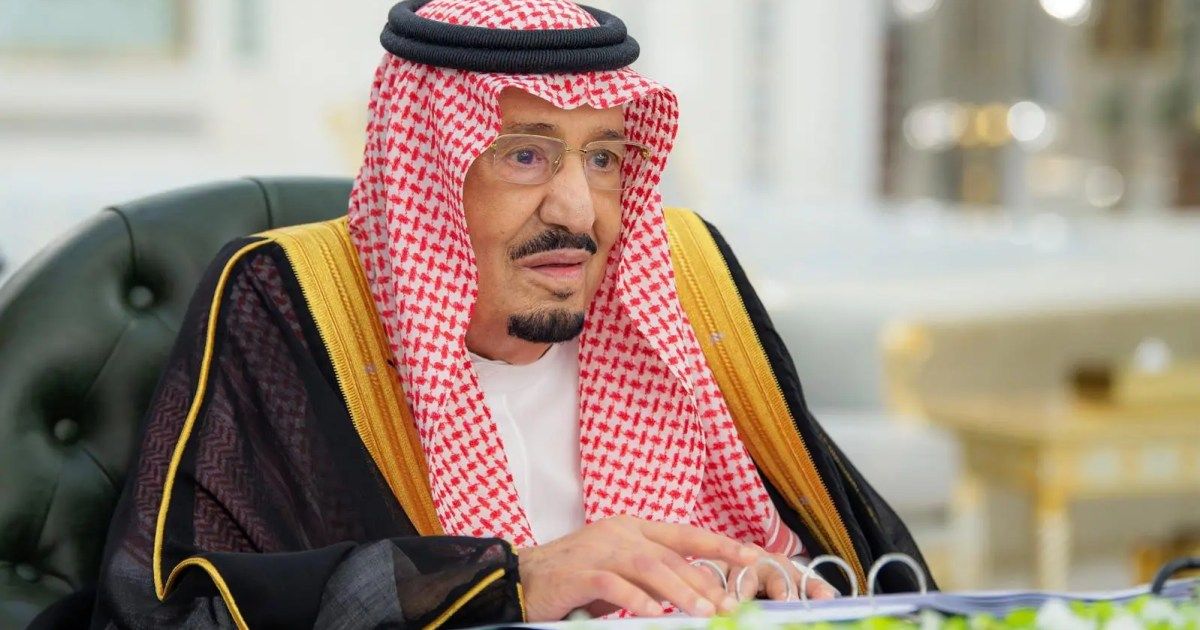
In a rare and forceful address, Saudi Arabia’s King Salman bin Abdulaziz has strongly condemned what he termed the terrorist targeting of Mecca by Yemen’s Houthi movement. The monarch’s direct intervention underscores a palpable sense of urgency within the Riyadh leadership as cross-border missile and drone attacks intensify. The escalation marks a dangerous turning point in the prolonged Yemeni civil war, drawing the kingdom deeper into a defensive posture while complicating delicate backchannel peace negotiations mediated by regional actors.
The strategic implications of projectiles reaching toward Islam’s holiest site transcend domestic security concerns, striking at the core of Saudi national prestige and regional hegemony. State media reports indicate that Saudi air defense systems successfully intercepted the incoming threats, preventing structural damage or casualties. However, the psychological and political reverberations of targeting Mecca have galvanized domestic support for the Saudi-led coalition's military campaign while hardening official resolve against making unilateral concessions at the negotiating table.
Global Trade & Economic Ripples
The deteriorating security environment across the southern Arabian Peninsula carries profound implications for global commodity markets and international shipping lanes. The Bab el-Mandeb strait, a critical maritime chokepoint through which millions of barrels of oil and global commerce transit daily, remains highly vulnerable to collateral disruption from the ongoing Yemeni conflict. Heightened threat perceptions directly influence marine war risk insurance premiums, driving up operational costs for global shipping conglomerates traversing the Red Sea.
Energy markets continue to monitor developments closely. Although immediate crude production facilities have avoided direct disruption, the persistent risk profile attached to Middle Eastern hydrocarbon infrastructure introduces a permanent risk premium into Brent and WTI futures. Global traders are factoring in the heightened probability of supply chain bottlenecks, should the conflict expand to target vital export terminals, desalination plants, or subterranean pipeline networks connecting eastern oil fields to western Red Sea ports.
Related Intelligence: Chokepoint Crisis: The Strategic and Economic Weight of Bab al-Mandab
International Reactions & Diplomatic Stances
Global capitals and multilateral institutions have responded with widespread condemnation of the attacks, framing the escalation as a flagrant violation of international law and a severe impediment to peace efforts. The United Nations Security Council convened emergency consultations, with the UN Special Envoy for Yemen urging all parties to exercise maximum restraint and return to comprehensive political dialogue under UN auspices.
Western governments, including the United States and key European Union member states, reiterated their unwavering commitment to Saudi Arabia's territorial integrity and right to self-defense. At the same time, international market analysts and geopolitical risk consultancies have cautioned that a purely military response risks entrenching the stalemate, urging a renewed focus on multilateral diplomacy to address the root causes of the humanitarian and security crisis.
Strategic Outlook & Future Scenarios
Looking ahead, the trajectory of the conflict hinges on whether diplomatic channels can be salvaged before retaliatory military strikes spiral out of control. Upcoming regional summits in the Gulf Cooperation Council framework are expected to focus heavily on establishing reinforced integrated air defense architectures and securing maritime trade routes against asymmetric threats.
Sanctions regimes targeting Houthi military procurement networks are anticipated to tighten further, as international financial regulators scrutinize illicit supply chains funding the movement's ballistic missile programs. Without a credible ceasefire framework backed by regional power brokers, the risk of protracted instability along the world's most vital energy corridor remains elevated, casting a long shadow over global economic recovery.
Join Our Official WhatsApp Channel
Receive live commodity alerts, policy changes, and commercial intelligence directly on WhatsApp.