
Trump Media Venture Tests Global Press Freedom and Diplomatic Norms
President Trump has launched an independent television channel amid severe rifts with the traditional White House press pool, fundamentally altering international political communications and media relations.
Geopolitical & Core Developments
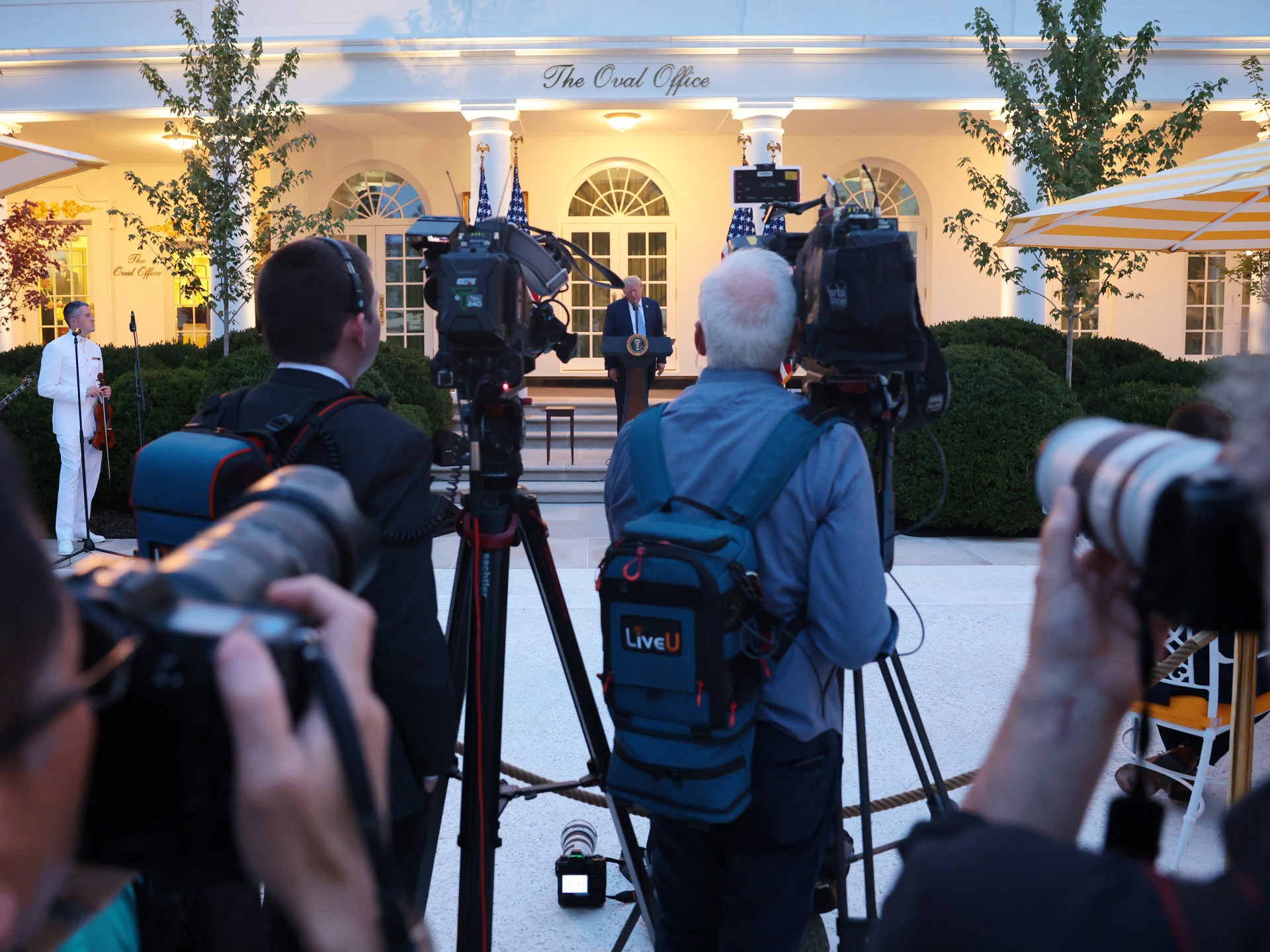
The launch of an independent television channel by United States President Donald Trump marks a profound inflection point in the architecture of global political communications. Coming amid an increasingly adversarial relationship between the executive branch and the conventional White House press pool, this strategic maneuver represents a decisive institutional break from established diplomatic and journalistic norms. Historically, the American executive relied upon the White House Correspondents' Association and major international wire services to project policy positions across global corridors. By establishing a proprietary broadcasting vehicle, the administration has effectively dismantled traditional information gatekeeping, enabling unmediated transmission of state narratives directly to domestic and international audiences. This development has immediate repercussions for foreign ministries worldwide, which must now calibrate their diplomatic assessments not through vetted journalistic reporting, but through primary-source state-adjacent broadcasting. International observers note that this decentralization of information mirrors parallel tactics observed in authoritarian and populist regimes globally, where leaders seek to marginalize independent media to consolidate narrative control. The timeline of this launch coincides with broader domestic polarization, transforming what was once a routine administrative friction into a structural challenge for global journalism and diplomatic transparency.
Global Trade & Economic Ripples
While ostensibly a domestic political and media strategy, the creation of an unmediated presidential broadcasting network carries notable implications for global commodity markets, investor sentiment, and international trade stability. Modern financial ecosystems are intensely sensitive to presidential pronouncements, trade threats, and regulatory shifts, which have historically been disseminated via established newswires to ensure fair and immediate market access. The introduction of a dedicated proprietary channel introduces potential volatility into pricing mechanisms for energy markets, agricultural futures, and industrial metals. If major trade policy adjustments, tariff announcements, or geopolitical ultimatums are channeled through exclusive or proprietary broadcasts rather than instantaneous financial terminals, global investors face heightened informational asymmetry. This fragmentation of market-moving data risks exacerbating speculative trading behaviors, inflating currency volatility across emerging and developed markets, and complicating risk management for multinational corporations operating within interdependent global supply chains. Furthermore, international shipping and logistics firms must remain hyper-vigilant to policy signals broadcast through non-traditional avenues, as sudden shifts in trade restrictions can instantly alter maritime routes and port operations.
Related Intelligence: Pakistan and France Deepen Defence and Strategic Security Ties
International Reactions & Diplomatic Stances
The international community has responded to the media venture with a mixture of quiet apprehension and strategic calculation. Multilateral bodies, including press freedom organizations and international monitors, have expressed deep concern regarding the normalization of hostile rhetoric directed at independent journalists, warning that it degrades global standards of democratic accountability. Conversely, foreign state actors with state-controlled media apparatuses have observed the move with strategic interest, viewing it as a validation of direct-to-consumer political messaging that bypasses institutional scrutiny. Foreign ministries across Europe and Asia are actively revising their intelligence-gathering protocols to account for the new media ecosystem, recognizing that official policy stances may now be articulated outside traditional diplomatic cables or press briefings. Market analysts and geopolitical risk consultancies have similarly upgraded their volatility indexes, advising institutional clients to diversify their informational pipelines to capture rapid policy shifts emanating from the new broadcast platform. This institutional realignment underscores a growing global consensus that the traditional rules governing state communication and international relations are undergoing permanent structural transformation.
Strategic Outlook & Future Scenarios
Looking toward the medium and long term, the trajectory of this presidential broadcasting venture will likely set a dangerous precedent for future administrations and international political figures. As upcoming global summits and diplomatic negotiations approach, the reliance on proprietary media channels could complicate multilateral consensus-building, as negotiating partners may struggle to differentiate official state policy from partisan messaging. If successful in capturing substantial market share and viewer attention, the model may be replicated by populist movements globally, leading to further balkanization of the international information space. Conversely, regulatory pushback from antitrust authorities and communications commissions could introduce legal hurdles, potentially leading to intense domestic and international litigation regarding media ownership, broadcasting licenses, and digital equity. Ultimately, the pivot toward unmediated state broadcasting signals an era of heightened geopolitical unpredictability, where international trade, diplomatic alliances, and global commodity markets must continuously adapt to a fractured and partisan information landscape.
Join Our Official WhatsApp Channel
Receive live commodity alerts, policy changes, and commercial intelligence directly on WhatsApp.