
Trump Diplomatic Flurry Exposes Limits of US Global Power
President Trump's recent diplomatic offensive failed to mask mounting domestic pressures, a widening Middle East war, and fierce economic competition from China.
The Core Development
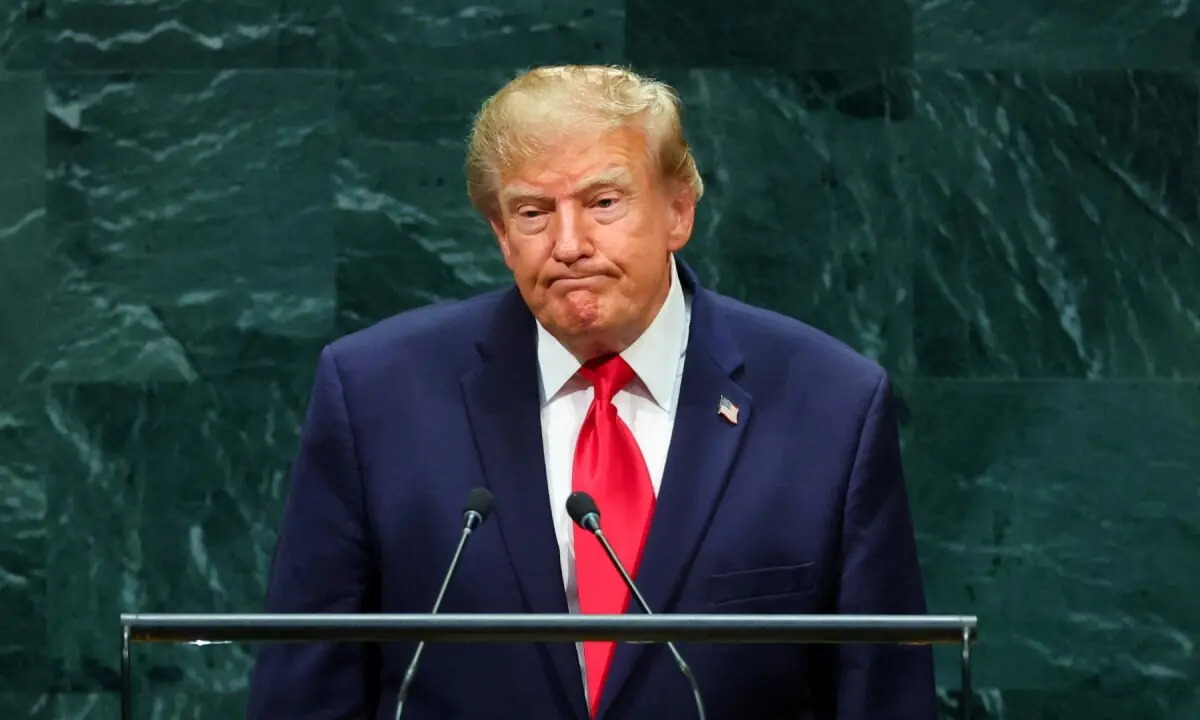
US President Donald Trump sought to reassert his dominance on the global stage this past week through a high-profile series of diplomatic engagements, highlighted by his address to the United Nations General Assembly and a high-stakes White House summit with Chinese leader Xi Jinping. The diplomatic flurry was designed to project strength and secure major trade and geopolitical wins. However, the week of intense negotiations instead underscored the stark limitations of presidential power amidst compounding domestic and international crises. Analysts note that despite the pageantry of presidential diplomacy, the administration remains hobbled by structural challenges, including a worsening confrontation between Iran and Israel that has destabilized global energy markets. The widening conflict has directly impacted the American electorate through surging energy costs, creating a feedback loop of domestic discontent that severely constrains foreign policy maneuverability.
Commercial & Economic Implications
For emerging economies like Pakistan, the ripples of Washington's domestic and foreign policy struggles are immediately felt across retail and wholesale markets. The escalating Iran conflict has sent global crude oil benchmarks higher, directly translating to inflated domestic fuel prices, elevated transportation costs, and compounding inflationary pressures for Pakistani importers and consumers. Higher energy inputs disrupt domestic supply chains, squeeze profit margins for retail traders, and increase the cost of doing business across the board. Furthermore, the intense technological and trade rivalry between the United States and China—epitomized by ongoing disputes over artificial intelligence dominance and supply chain bifurcation—complicates global trade corridors. Pakistani businesses dependent on imported machinery, tech infrastructure, and international commodities face increased volatility, foreign exchange pressures, and unpredictable pricing structures as global superpowers clash over economic hegemony.
Related Intelligence: US-China Summit Concludes Amid Trade and Tech Focus
Stakeholder Perspectives & Market Reactions
Financial markets and international trade associations have reacted with cautious skepticism to the recent diplomatic overtures between Washington and Beijing. Industry bodies point out that photo-ops and high-level summits have yielded few binding agreements capable of lowering trade barriers or stabilizing commodity prices. In the United States, a recent Reuters/Ipsos poll revealed that Trump's approval ratings have cratered to a career low of 32 percent, driven primarily by voter fatigue over high living costs and economic uncertainty. Business leaders and economic analysts argue that until structural inflation and geopolitical flashpoints—particularly in the Middle East—are effectively managed, market confidence will remain fragile. Legal and policy experts emphasize that domestic political vulnerability severely weakens the administration's leverage in international trade negotiations, leaving global markets exposed to prolonged unpredictability.
Forward Outlook & Key Watchpoints
Looking ahead, policymakers, traders, and investors must monitor several critical indicators over the coming months. The trajectory of the Iran-Israel conflict remains the primary wildcard for global oil prices and inflation rates. Any further escalation could push energy costs even higher, triggering aggressive monetary policy responses from central banks worldwide. Additionally, observers will closely track the implementation of any trade understandings reached between Washington and Beijing, particularly concerning advanced technology restrictions and supply chain adjustments. For Pakistani commercial stakeholders, navigating this volatile environment requires agile inventory management, robust hedging strategies against currency and commodity fluctuations, and close attention to shifting geopolitical alignments that dictate global trade flows.
Join Our Official WhatsApp Channel
Receive live commodity alerts, policy changes, and commercial intelligence directly on WhatsApp.