
Africa's Richest Man Backs $660 Million Ethiopia-Djibouti Fuel Pipeline
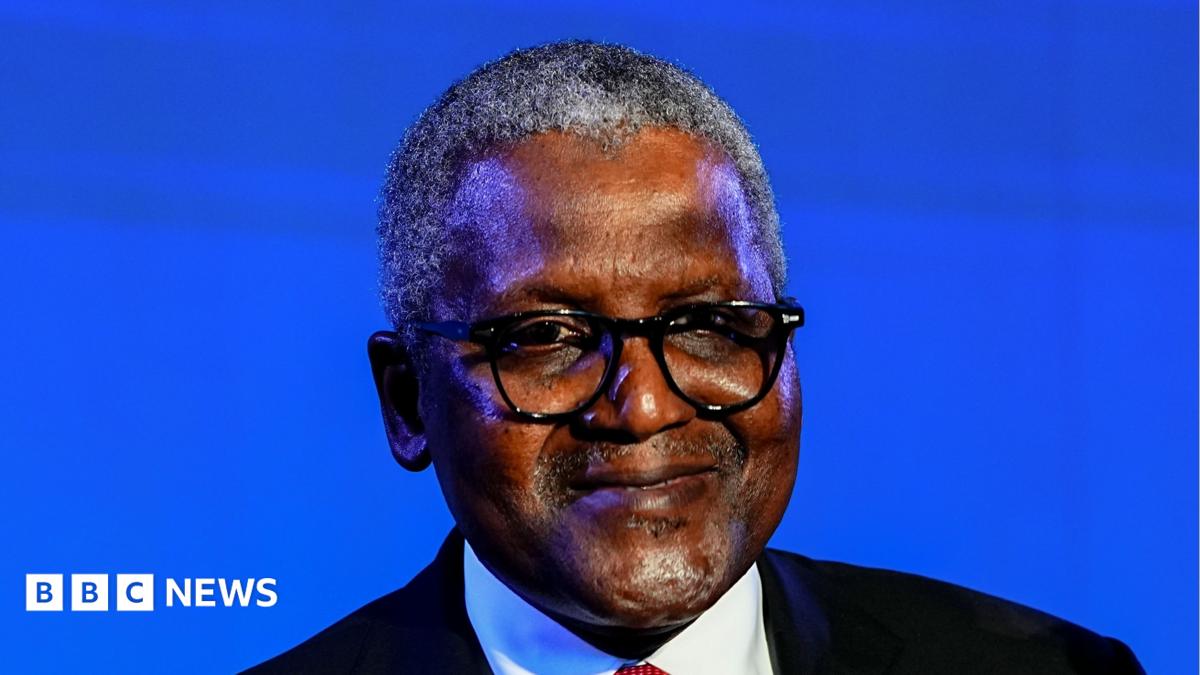
Africa's wealthiest industrialist is helping finance a strategic $660 million fuel pipeline linking Djibouti to landlocked Ethiopia, transforming regional energy security and trade logistics.
Geopolitical & Core Developments
In a landmark infrastructure development for the Horn of Africa, plans are advancing for a $660 million refined petroleum pipeline connecting the strategic port facilities of Djibouti directly to landlocked Ethiopia. The ambitious project has received substantial financial backing from Aliko Dangote, Africa's wealthiest industrialist and head of the Dangote Group, alongside regional sovereign and private banking syndicates. Ethiopia, home to over 120 million citizens and one of the continent's fastest-growing economies, has historically relied on costly road transport fleets to haul imported refined fuels across hundreds of miles of mountainous terrain from Djibouti ports. This reliance has exposed Addis Ababa to severe logistical bottlenecks, fuel shortages, and foreign exchange vulnerabilities. The construction of a dedicated, high-capacity pipeline fundamentally alters this dynamic, establishing a permanent, secure energy artery that streamlines transit times and drastically reduces logistics overhead. State actors in both Ethiopia and Djibouti have hailed the venture as a testament to bilateral economic integration, bypassing traditional bureaucratic delays and demonstrating how private capital can accelerate vital transnational infrastructure.
Global Trade & Economic Ripples
From a macroeconomic perspective, the Ethiopia-Djibouti pipeline introduces significant cost efficiencies into East African commodity markets. By replacing thousands of heavy diesel trucks with a continuous pipeline flow, the project will slash carbon emissions, alleviate severe traffic congestion along the primary trade corridor, and reduce operational transit losses. For global energy markets, a more secure and predictable energy supply chain in Ethiopia stabilizes domestic inflation and bolsters investor confidence in manufacturing and agricultural sectors. Djibouti stands to benefit economically through enhanced port throughput, job creation, and sustained service revenues, reinforcing its position as the premier maritime gateway for the East African hinterland. Furthermore, the reduction in transport expenditures frees up scarce foreign currency reserves for the Ethiopian government, allowing for increased allocations toward other critical capital imports and structural economic reforms.
Related Intelligence: Saudi Missile Interceptions Threaten Red Sea Energy Corridors
International Reactions & Diplomatic Stances
Multilateral institutions, including the World Bank and the African Development Bank, have welcomed the private-public funding model as a blueprint for bridging Africa's massive infrastructure financing gap. Analysts note that involving heavyweights like Dangote signals robust commercial viability to international lenders who might otherwise hesitate due to regional geopolitical friction. Neighboring states and international trade observers view the initiative as a stabilizing force in a volatile geopolitical neighborhood, fostering interdependence between Ethiopia and Djibouti. Diplomatic envoys have emphasized that robust economic ties built around critical commodities like petroleum create strong disincentives for regional conflict, promoting long-term peace and security across the Red Sea and Horn of Africa corridors.
Strategic Outlook & Future Scenarios
Looking ahead, the successful execution of the $660 million pipeline will likely catalyze subsequent infrastructure syndicates, potentially paving the way for integrated power grids and rail expansions across the region. As construction phases commence, project stakeholders will monitor security conditions along the transit route and navigate complex regulatory hurdles between the two sovereign nations. If completed on schedule, the pipeline will serve as a definitive model for intra-African trade under the African Continental Free Trade Area (AfCFTA), proving that cross-border megaprojects can successfully attract indigenous billionaire capital to solve intractable logistical challenges and secure sustainable economic growth.
Join Our Official WhatsApp Channel
Receive live commodity alerts, policy changes, and commercial intelligence directly on WhatsApp.