
Lahore High Court Demands Report on Aleema Khan Detention Under 3-MPO
The Lahore High Court has sought a detailed official report regarding the detention of Aleema Khan under the Maintenance of Public Order ordinance, escalating legal scrutiny on administrative measures.
The Core Development
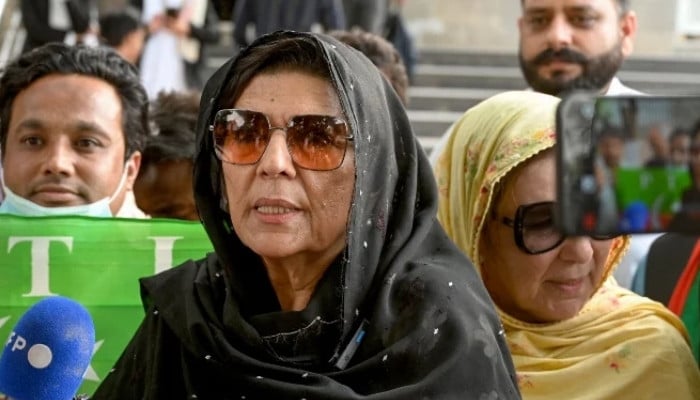
In a significant legal development that underscores the intersection of administrative authority and judicial oversight in Pakistan, the Lahore High Court (LHC) has officially demanded a comprehensive report concerning the detention of Aleema Khan under Section 3 of the Maintenance of Public Order (3-MPO) ordinance. The judicial directive comes in response to an urgent habeas corpus petition filed by legal representatives challenging the legality of the detention, which was executed by provincial law enforcement agencies earlier this week.
According to the court proceedings, the bench scrutinized the legal grounds cited by the district administration, which invoked the emergency powers under the MPO framework to curtail potential public assemblies and maintain law and order within the provincial capital. Legal counsels for the petitioner argued that the detention order lacked substantive evidence and represented an overreach of executive authority designed to stifle political dissent. The court has granted the respondents a strict deadline to submit the complete administrative record, including intelligence briefings and the specific justification for preemptive incarceration, setting the stage for a rigorous legal confrontation.
Commercial & Economic Implications
While the direct subject of the judicial intervention is political detention, prolonged political instability and administrative crackdowns carry profound indirect consequences for Pakistan's fragile economic ecosystem. Financial markets, retail trade networks, and wholesale distribution channels are highly sensitive to perceptions of governance stability and internal security. Heightened political tensions frequently translate into localized disruptions, transport bottlenecks, and precautionary closures in major commercial hubs such as Lahore, directly impacting daily transactional velocity and consumer confidence.
Furthermore, foreign and domestic investors closely monitor the predictability of the legal and regulatory environment. Frequent recourse to emergency administrative measures like the 3-MPO ordinance signals systemic governance risks, which can undermine long-term capital formation. Inflationary pressures, already exacerbated by structural fiscal adjustments, are compounded when commercial supply chains experience recurring friction stemming from security lockdowns and political uncertainty. The business community remains apprehensive that prolonged legal battles over civil liberties could overshadow critical economic reforms required to stabilize the national currency and stimulate private-sector credit growth.
Related Intelligence: Lahore High Court Demands Punjab Reply on Aleema Khan MPO Detention
Stakeholder Perspectives & Market Reactions
Trade associations and industrial bodies have expressed growing concern over the broader economic fallout of persistent political friction. Representatives from major chambers of commerce note that sustained uncertainty dampens market sentiment, delaying crucial investment decisions across manufacturing and retail sectors. Legal experts, meanwhile, have offered sharp critiques regarding the frequent invocation of the MPO ordinance, arguing that administrative detentions undermine constitutional guarantees of due process and independent judicial review.
Public response has been sharply polarized, reflecting deeply entrenched political divisions across urban centers. Official statements from government spokespersons defend the administrative actions as necessary precautions to preserve public safety and prevent civil unrest, emphasizing that law enforcement agencies act strictly within the framework of the law. Conversely, civil society organizations and opposition representatives characterize these measures as systematic attempts to suppress political opposition, warning that such actions deepen societal polarization and erode democratic norms.
Forward Outlook & Key Watchpoints
As the Lahore High Court prepares to resume hearings upon receipt of the government's compliance report, several critical watchpoints will dictate the trajectory of this case. Key factors include the specific evidentiary standard presented by the administration to justify the 3-MPO order and whether the judiciary will uphold the detention or order an immediate release.
Market analysts and legal observers will be monitoring the ruling closely, as it may set a vital precedent regarding the limits of executive power under emergency maintenance laws. A ruling favoring judicial restraint of administrative detentions could signal enhanced protection for civil liberties and greater predictability for the business environment. Conversely, validation of the detention framework may reinforce existing concerns regarding administrative overreach, continuing to cast a shadow over Pakistan's commercial and economic recovery prospects in the near term.
Join Our Official WhatsApp Channel
Receive live commodity alerts, policy changes, and commercial intelligence directly on WhatsApp.