
Trump and China: From Trade War Retoric to Pragmatic Engagement
Donald Trump's evolving rhetoric toward Beijing reveals a complex diplomatic shift from aggressive trade accusations to pragmatic statecraft, with profound implications for global commerce.
Geopolitical & Core Developments
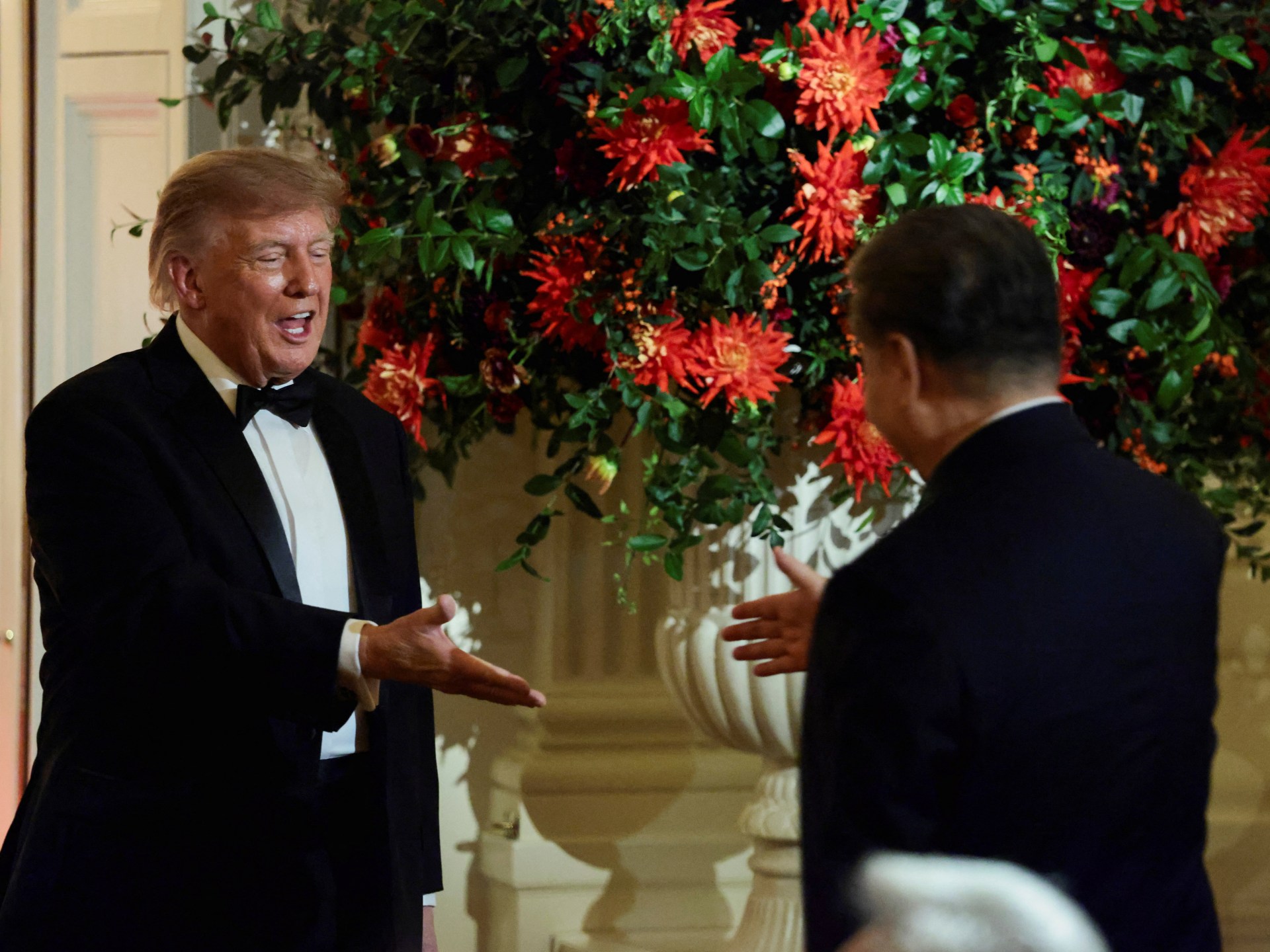
The trajectory of United States-China relations under successive administrations has remained one of the definitive geopolitical narratives of the twenty-first century. Donald Trump's public characterization of Beijing and President Xi Jinping has undergone a remarkable evolution, transitioning from blistering campaign-trail accusations branding China as economic cheaters and currency manipulators to a more nuanced posture acknowledging a profound and complex bilateral relationship often framed around personal rapport. This rhetorical shift highlights the inherent tension between populist political posturing and the pragmatic realities of managing the world's two largest economies. Historically, Washington's strategic consensus moved toward a bipartisan containment and competition model, yet Trump's transactional diplomacy frequently introduced unpredictability into traditional diplomatic channels. State actors across the globe have closely monitored these rhetorical pivots, attempting to decipher whether changes in tone signal genuine strategic alignment or merely tactical maneuvering ahead of crucial trade negotiations and international summits.
Global Trade & Economic Ripples
Changes in executive rhetoric and diplomatic engagement between Washington and Beijing carry immediate consequences for global commodity markets, supply chain architecture, and international trade flows. Industrial metals, agricultural exports, energy futures, and technology components remain highly sensitive to shifts in trade policy expectations. When political leaders soften or harden their stances on tariffs, market participants instantly reprice risk across key shipping lanes and logistics corridors. Supply chain diversification away from mainland China, accelerated by previous trade restrictions and tariff escalations, has become a permanent structural trend for multinational corporations seeking operational resilience. However, any indication of warming diplomatic ties introduces temporary optimism into equities and commodity futures, particularly for industrial raw materials dependent on robust Chinese manufacturing demand and domestic infrastructure stimulus.
International Reactions & Diplomatic Stances
Global capitals, multilateral institutions, and market analysts have responded to these diplomatic fluctuations with cautious observation. Traditional allies in Europe and the Indo-Pacific frequently navigate a difficult balancing act, aligning with Washington on strategic security while maintaining deep commercial ties with Beijing. International bodies such as the World Trade Organization monitor bilateral trade accords and unilateral tariff measures to gauge compliance with multilateral trade frameworks. Financial analysts and macroeconomic forecasters emphasize that while public warmth between national leaders can reduce short-term geopolitical friction, underlying structural disputes regarding intellectual property, technology transfer, market access, and territorial sovereignty remain unresolved. Consequently, foreign policy experts advise institutional investors and corporate strategists to prepare for a prolonged era of strategic competition disguised beneath fluctuating diplomatic niceties.
Strategic Outlook & Future Scenarios
Looking ahead, the future trajectory of US-China relations will likely be defined by a dual track of intense economic competition and selective diplomatic engagement. Upcoming international summits, bilateral trade dialogues, and security consultations will serve as crucial barometers for the health of the relationship. Key escalation points remain centered on advanced semiconductor supply chains, maritime security in the South China Sea, and currency stability. As both nations manage domestic economic pressures and complex geopolitical alignments, policymakers must balance nationalist political imperatives with the undeniable necessity of maintaining open communication channels to prevent catastrophic economic decoupling or military miscalculation.
Join Our Official WhatsApp Channel
Receive live commodity alerts, policy changes, and commercial intelligence directly on WhatsApp.