
Trump Appoints Intelligence Chief to Lead New US AI Task Force
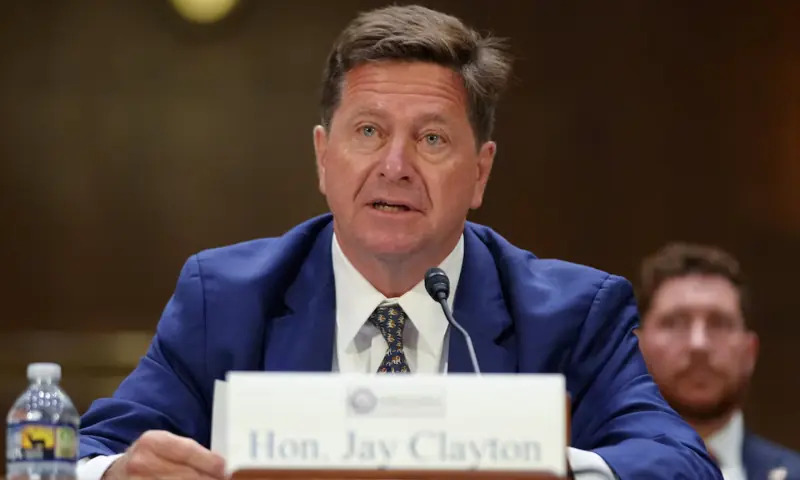
US President Donald Trump has appointed national intelligence chief Jay Clayton to lead a new White House artificial intelligence task force aimed at cementing American technological dominance.
The Core Development
US President Donald Trump announced on Sunday the formal appointment of national intelligence chief Jay Clayton as the head of a newly minted White House task force dedicated to artificial intelligence. Communicating via his Truth Social platform, the president outlined that the newly designated Super Intelligence Force—Trump's preferred nomenclature for advanced artificial intelligence systems—will operate with a primary mandate to ensure that the United States maintains its competitive edge in global technological innovation. The administration's announcement arrives amidst a backdrop of increasingly vocal warnings from leading independent researchers and technical experts regarding the existential and practical dangers associated with rapid, unchecked artificial intelligence advancement. According to official statements released by the White House, the newly formed inter-agency task force has been explicitly commissioned not only to accelerate domestic research and development but also to protect national security interests and improve the daily lives of citizens through strategic integration of advanced computational tools. The policy framework seeks to consolidate oversight directly under intelligence leadership, signaling a profound shift toward treating artificial intelligence development as a matter of critical national security rather than purely commercial enterprise.
Commercial & Economic Implications
For emerging economies and trade partners such as Pakistan, shifts in United States technology policy carry profound secondary and tertiary economic implications. As global heavyweights reshape their regulatory and developmental priorities for artificial intelligence, international supply chains for semiconductor chips, enterprise software licensing, and cloud computing infrastructure face potential restructuring. Retail trade, wholesale distribution, and domestic information technology service providers in Pakistan rely heavily on open-source frameworks, foreign software imports, and global cloud ecosystems governed largely by American corporate and regulatory standards. Any tightening of American export controls, intellectual property protections, or national security directives surrounding advanced computational models could directly impact the cost of tech deployment, software development outsourcing revenues, and local digital transformation initiatives. Furthermore, international price volatility in hardware components and specialized microchips required for enterprise-grade artificial intelligence implementation could exacerbate inflationary pressures within developing retail and wholesale technology sectors.
Related Intelligence: Flydubai Incident Sparks Intense Security and Trade Scrutiny
Stakeholder Perspectives & Market Reactions
downloaded from international wire services, global technology analysts and industry bodies have expressed mixed reactions to the militarization and centralization of artificial intelligence oversight under intelligence chiefs. While domestic American defense contractors and major technology conglomerates have welcomed government backing and coordinated strategic direction, civil liberties groups and academic researchers have raised concerns over transparency and the potential stifling of open-source collaboration. Within Pakistan's growing tech ecosystem, industry associations and software export houses are closely monitoring whether the new task force will introduce restrictive licensing frameworks that complicate cross-border software development or restrict access to cutting-edge foundational models. Legal and trade experts emphasize that developing nations must proactively adapt their national digital policies to remain competitive in a rapidly bifurcated global technology landscape.
Forward Outlook & Key Watchpoints
The coming months will prove critical as the newly established task force operationalizes its mandate and outlines specific regulatory guidelines, export controls, and federal funding priorities. Key watchpoints for international observers and trade analysts include potential executive orders detailing federal procurement rules, intellectual property guidelines for generative models, and bilateral technology agreements between the United States and its allies. For Pakistan's policymakers, technology exporters, and business leaders, maintaining agility in software development, diversifying tech partnerships across international markets, and strengthening domestic regulatory frameworks will be essential to navigating the shifting global paradigm dictated by Washington's evolving technological strategy.
Join Our Official WhatsApp Channel
Receive live commodity alerts, policy changes, and commercial intelligence directly on WhatsApp.