
Malaysia Deports Refugees to Myanmar Despite UN Warnings
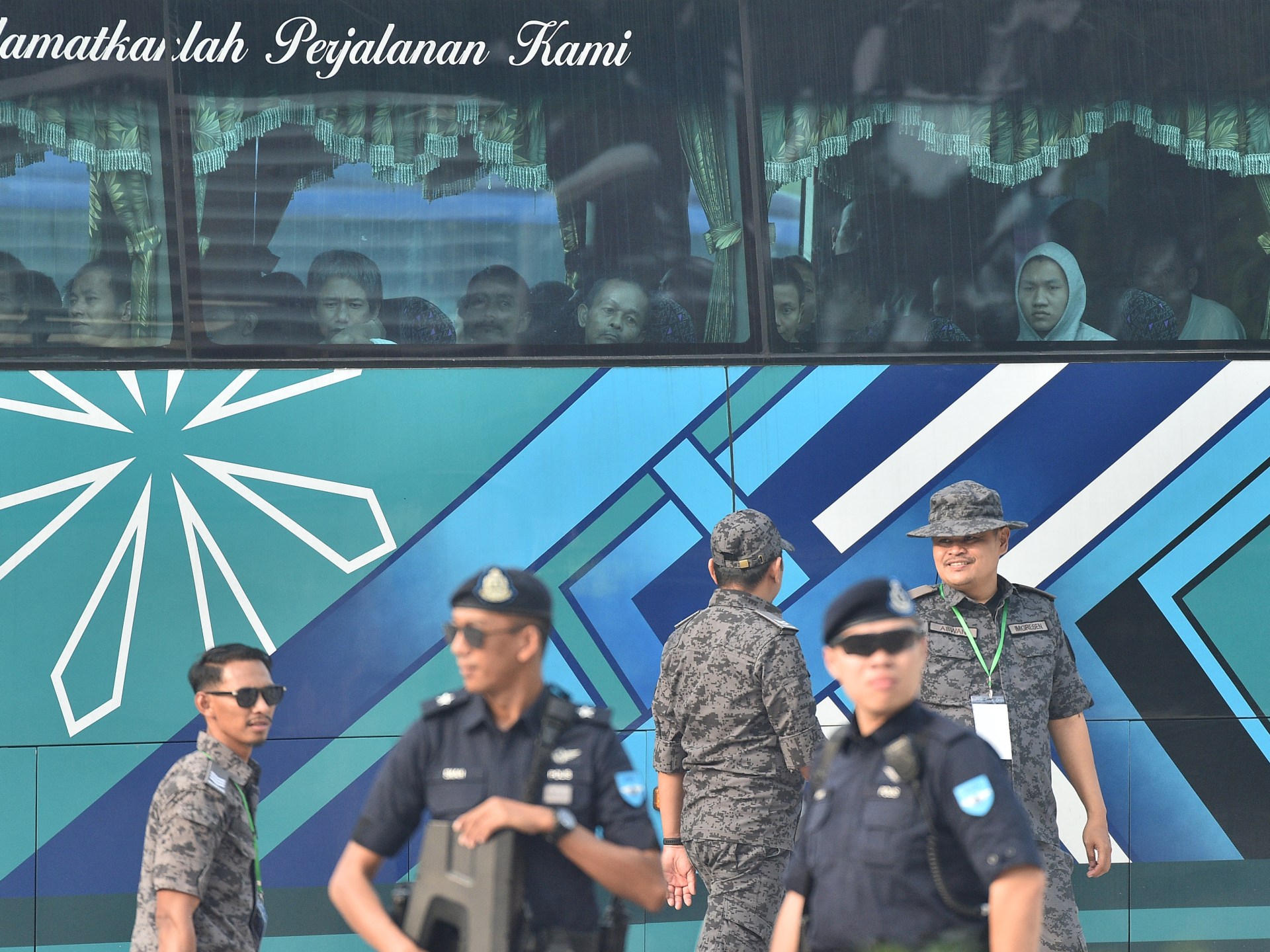
Malaysia has proceeded with the mass deportation of nearly 1,500 migrants back to war-torn Myanmar, defying international warnings from the United Nations over grave safety concerns.
Geopolitical & Core Developments
Malaysia's recent decision to proceed with the mass deportation of nearly 1,500 Myanmar nationals back to their homeland marks a critical escalation in Southeast Asian migration management. Despite vehement warnings from the United Nations High Commissioner for Refugees and various international human rights organizations, Kuala Lumpur executed the repatriation flights, citing domestic security and immigration enforcement policies. The returnees arrive in a nation gripped by a severe multi-sided civil war following the February 2021 military coup, where governance structures have collapsed and systematic human rights abuses are documented daily.
The strategic stakes for the Association of Southeast Asian Nations are profound. While the regional bloc has historically adhered to a strict principle of non-interference, the continuous outflow of refugees and forced returns highlight the profound failure of the Five-Point Consensus. Myanmar's junta continues to leverage state apparatuses to consolidate control, utilizing repatriated citizens for forced labor or military conscription, thereby exacerbating the humanitarian emergency that destabilizes neighboring borderlands.
Global Trade & Economic Ripples
While humanitarian concerns take precedence, mass displacement and regional instability inevitably cascade into global trade and commodity markets within the Indo-Pacific corridor. Myanmar remains a critical node for regional labor mobility, supplying essential workforce segments to manufacturing, construction, and plantation sectors across Malaysia and Thailand. Disruptions in labor corridors lead to localized wage pressures and operational bottlenecks in primary export industries, particularly palm oil and electronics manufacturing.
Furthermore, heightened security crackdowns and naval patrols along the Malacca Strait—a vital maritime chokepoint carrying a significant percentage of global container shipping and energy supplies—introduce operational friction for commercial shipping. Geopolitical friction over human rights compliance increases regulatory scrutiny on maritime operators, potentially impacting insurance premiums, port turnaround times, and regional supply chain resilience for multinational corporations operating within the ASEAN free trade area.
Related Intelligence: Middle East Escalation Threatens Global Supply Chains and Energy Markets
International Reactions & Diplomatic Stances
Global condemnation has been swift, with the United Nations reiterating that forced returns violate the foundational principle of non-refoulement under international customary law. Western capitals have expressed deep concern, warning that bilateral economic cooperation and trade preferences could face diplomatic headwinds if Kuala Lumpur continues aggressive deportation drives without adequate UNHCR screening mechanisms.
Conversely, regional trade partners within ASEAN have maintained a cautious diplomatic silence, reflecting deep-seated divisions over how to engage the Naypyidaw military regime. Market analysts and geopolitical risk consultancies note that while foreign direct investment into Malaysia remains robust, persistent reputational risks surrounding labor rights and migrant treatment could complicate environmental, social, and governance compliance metrics for institutional investors managing regional portfolios.
Strategic Outlook & Future Scenarios
Looking ahead, the trajectory of Malaysia's migration policy will heavily influence broader diplomatic engagements at upcoming multilateral summits, including the UN General Assembly and ASEAN ministerial meetings. If humanitarian conditions in Myanmar continue to deteriorate without effective mediation, Western governments may contemplate targeted sanctions against entities facilitating forced repatriations or military supply chains.
For global corporations and commodity traders operating in Southeast Asia, the unfolding crisis underscores the necessity of robust supply chain due diligence and dynamic risk mitigation strategies. As maritime migration routes adapt to increased naval enforcement, the intersection of human security and commercial shipping will remain a volatile variable in the Indo-Pacific geopolitical landscape.
Join Our Official WhatsApp Channel
Receive live commodity alerts, policy changes, and commercial intelligence directly on WhatsApp.