
Taiz Hospital Collapse Threatens Regional Stability Amid Houthi Siege
Medical facilities in Yemen's contested Taiz province near total collapse as tightened Houthi blockades choke vital fuel and medical supplies, amplifying humanitarian and geopolitical risks.
Geopolitical & Core Developments
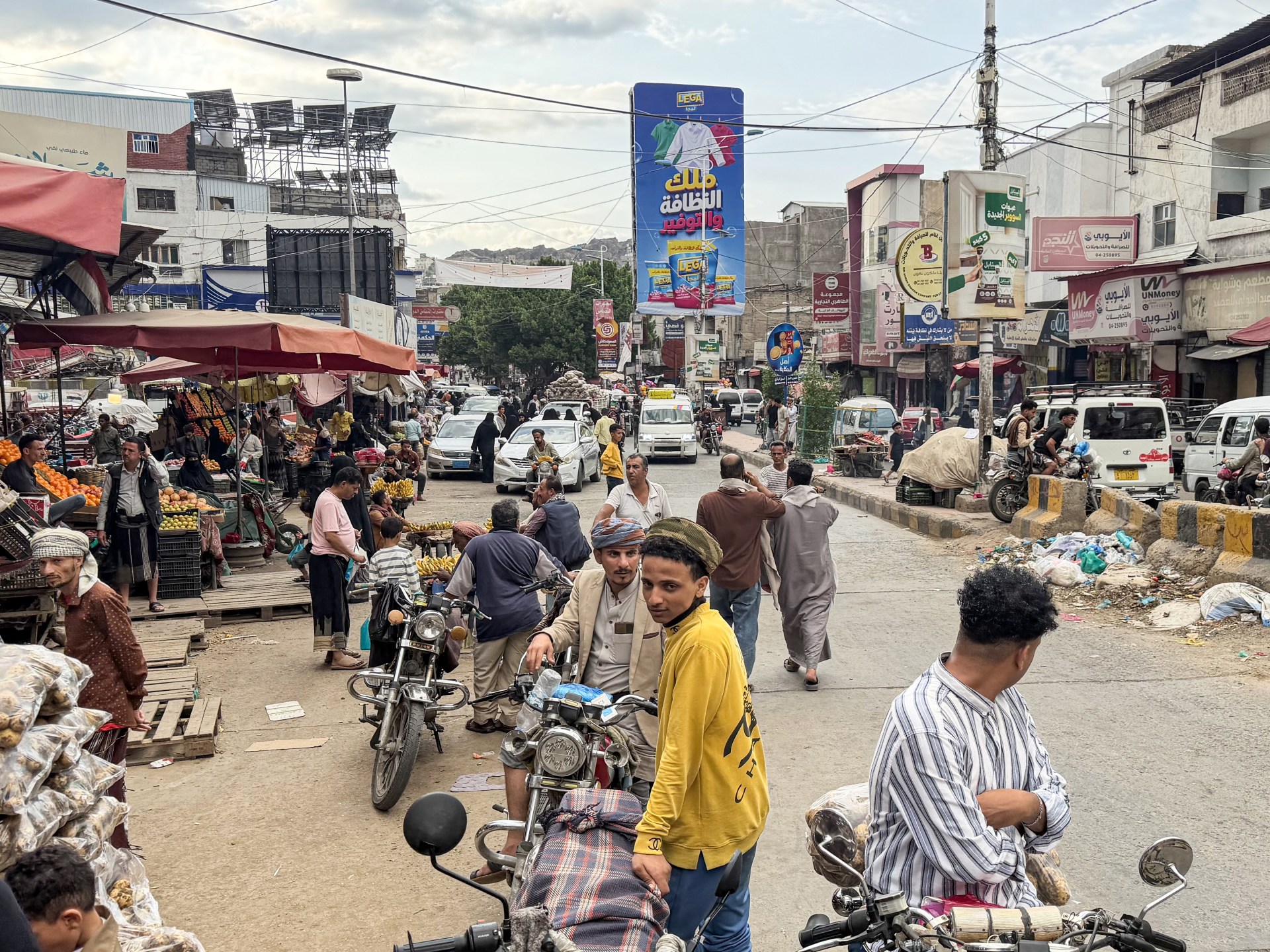
The humanitarian emergency in Yemen's southwestern province of Taiz has escalated dramatically, with local health authorities warning that medical facilities are hours away from total operational collapse. The crisis stems directly from a prolonged and intensified blockade enforced by Houthi forces, which has severely restricted the entry of critical humanitarian aid, commercial fuel, and essential pharmaceutical supplies. Taiz, historically one of Yemen's most densely populated urban centers, has remained fiercely contested throughout the decade-long civil conflict. Divided between government-controlled zones and Houthi-encircled perimeters, the city relies heavily on precarious supply routes that remain vulnerable to military maneuvering and checkpoint extortions. The restriction of diesel supplies is particularly debilitating, as hospitals depend entirely on generators to maintain intensive care units, incubators, and surgical wards amid chronic municipal power failures. Diplomatic efforts led by regional intermediaries to negotiate permanent humanitarian corridors have repeatedly stalled, as warring factions leverage civilian infrastructure for strategic leverage. The humanitarian toll is compounding daily, transforming a localized siege into a broader test of international conflict resolution mechanisms.
Global Trade & Economic Ripples
While the immediate crisis in Taiz is humanitarian, its broader economic ripples intersect directly with global trade vulnerabilities across the southern Arabian Peninsula. Yemen shares critical maritime geography with the Bab el-Mandeb strait, a vital chokepoint for international shipping connecting the Indian Ocean to the Suez Canal and European markets. Although the siege of Taiz is an inland blockade, it reflects the broader strategic posture of the Houthi movement, whose maritime harassment campaigns in the Red Sea have already forced major global container shipping lines and energy conglomerates to reroute vessels around the Cape of Good Hope. These prolonged maritime detours have inflated global freight rates, increased insurance premiums for hull and cargo risks, and added weeks to transit times between Asian manufacturing hubs and Western markets. Furthermore, the persistent instability in Yemen prevents any comprehensive rehabilitation of domestic energy infrastructure, keeping regional crude and refined product markets jittery. International commodities traders factor these geopolitical premiums into pricing models, viewing the institutional decay in provinces like Taiz as a symptom of a chronically unstable trade corridor.
Related Intelligence: Middle East Conflict Escalates as Saudi Strikes Threaten Global Energy Markets
International Reactions & Diplomatic Stances
International condemnation of the humanitarian blockade has been swift, though tangible diplomatic remedies remain elusive. United Nations officials have repeatedly emphasized that restricting medical access violates fundamental international humanitarian law, calling for immediate, unhindered access for humanitarian convoys entering Taiz. Western governments, including the United States and European Union member states, have urged the Houthi leadership to lift the siege immediately and engage constructively with UN Special Envoy Hans Grundberg's peace framework. However, divergent regional interests among Gulf states and international powers have complicated a unified response. Multilateral bodies and humanitarian NGOs warn that donor fatigue, compounded by competing global crises in Ukraine and the Middle East, has severely depleted emergency response funds for Yemen. Global risk analysts note that without robust financial backing and enforcement mechanisms to protect supply chains, diplomatic appeals to warring parties yield minimal behavioral change on the ground.
Strategic Outlook & Future Scenarios
Looking ahead, the trajectory of the crisis in Taiz will serve as an essential barometer for the broader Yemeni peace process. If the blockade tightens further, the resulting humanitarian catastrophe could trigger renewed military escalations, shattering the fragile, de facto truce that has largely held across parts of Yemen. Conversely, a breakthrough in negotiating local ceasefires or humanitarian exemptions for Taiz could build vital confidence-building measures necessary for comprehensive political talks. Upcoming diplomatic engagements at the United Nations General Assembly and regional summits will test the resolve of international stakeholders to prioritize Yemeni stability. For global logistics and commodity markets, monitoring developments in Taiz is imperative; any escalation risks compounding existing maritime security challenges in the Red Sea, directly influencing energy security, supply chain resilience, and international trade costs well into the fiscal year.
Join Our Official WhatsApp Channel
Receive live commodity alerts, policy changes, and commercial intelligence directly on WhatsApp.