
Taiwan Drives Away 16 Chinese Vessels Amid Escalating Hybrid Warfare
Taiwan has driven away 16 Chinese vessels near its waters, denouncing Beijing's intensified gray-zone tactics designed to erode sovereignty and alter the maritime status quo in the Taiwan Strait.
Geopolitical & Core Developments
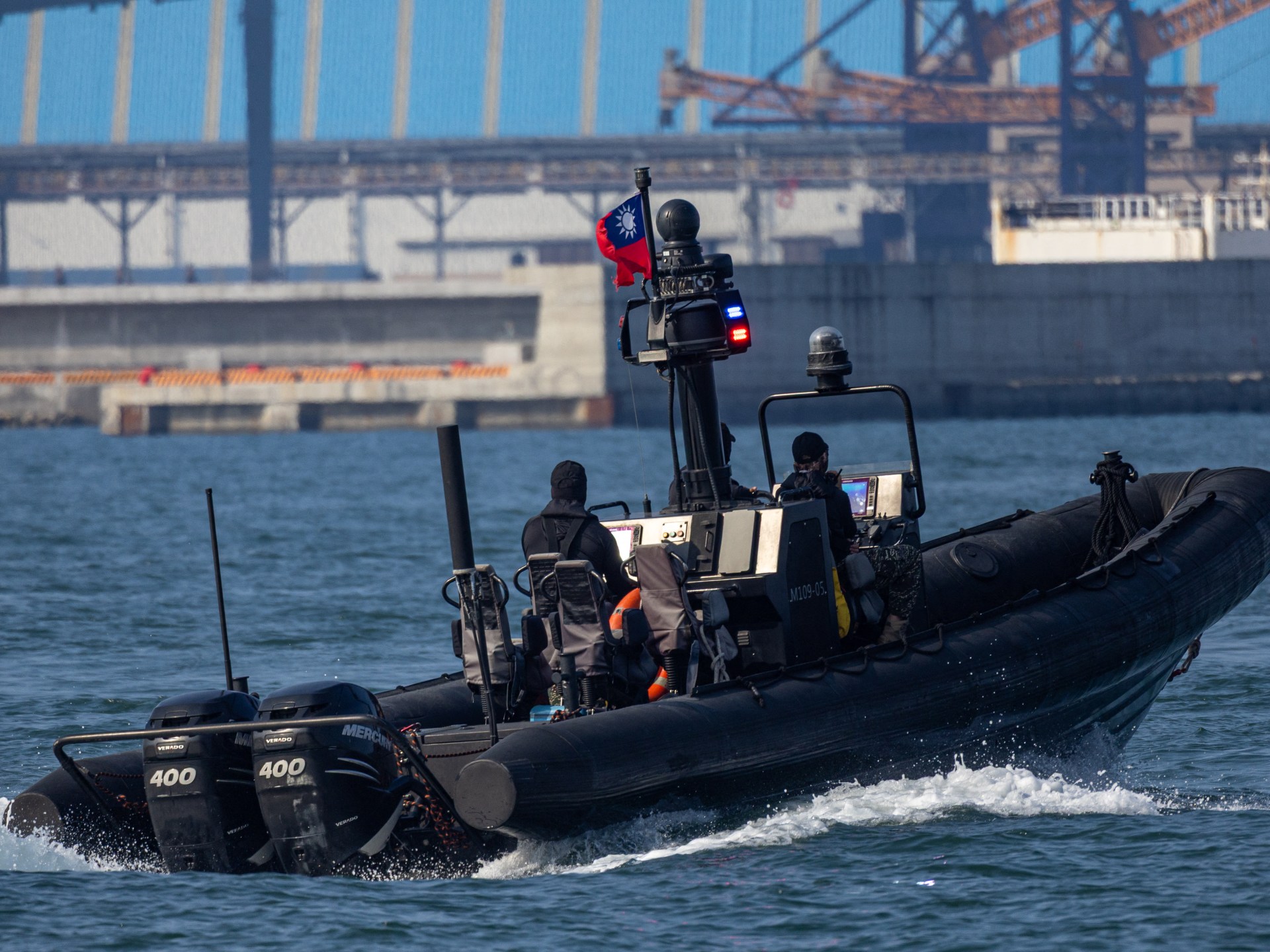
Taiwan’s Coast Guard Administration reported driving away 16 Chinese government and maritime militia vessels operating within and adjacent to restricted waters, signaling an intensification of Beijing’s gray-zone pressure campaign. Taiwanese authorities confirmed that the coordinated incursions involved coast guard cutters and paramilitary fishing boats maneuvering in tight formations near outlying islands, forcing Taipei to deploy patrol cutters, issue radio warnings, and execute defensive blocking maneuvers.
Taipei’s Mainland Affairs Council and Ministry of National Defense formally characterized the naval deployment as an element of asymmetrical hybrid warfare. Rather than initiating open kinetic conflict, Beijing is methodically saturating regional maritime zones to exhaust Taiwan’s naval resources, normalize cross-strait military presence, and progressively erase the median line that historically maintained stability. The incident marks a measurable escalation in frequency and coordination, underscoring Beijing’s intent to assert sovereign administrative control over waters international maritime law classifies as international transit corridors.
Global Trade & Economic Ripples
The strategic posture adopted by Chinese maritime forces across the Taiwan Strait presents acute systemic risks to the global economy. The strait serves as the primary maritime highway connecting East Asian manufacturing powerhouses to consumer markets in Europe, the Middle East, and the Americas, handling nearly half of the global container fleet annually. Sustained naval friction directly threatens supply chain stability, elevating freight rates and pushing maritime insurance underwriters to adjust war-risk premiums for regional shipping lines.
Beyond logistical corridors, heightened tensions jeopardize the semiconductor value chain. Taiwan produces over 60 percent of the world’s advanced microchips and more than 90 percent of cutting-edge processors. Any maritime blockade or operational quarantine around Taiwanese ports would paralyze automotive, consumer electronics, and high-performance computing sectors globally. Financial markets across East Asia recorded moderate volatility following the maritime confrontation, with the New Taiwan Dollar reflecting localized hedging behavior against regional geopolitical stress.
Related Intelligence: Widespread France Riots Erupt Over Cost of Living Triggering Severe Economic Disruption
International Reactions & Diplomatic Stances
The coordinated maritime operations have drawn sharp scrutiny from international observers and key Indo-Pacific allies. Taiwanese defense officials issued an official communique stating that Beijing’s persistent provocations are deliberately constructed to unilaterally change the status quo and undermine regional peace. Taipei called upon like-minded democracies to counter coercive actions through institutional coordination and freedom-of-navigation vigilance.
In Washington, defense analysts and State Department officials reaffirmed that peace and stability across the Taiwan Strait remain critical to global security, reiterating commitments under the Taiwan Relations Act. Japanese diplomatic representatives emphasized the absolute necessity of maintaining open sealanes, noting that territorial disruptions in the East China Sea and adjacent channels directly impinge on Tokyo’s national security framework. Meanwhile, Beijing’s foreign and defense ministries maintained their standard posture, rejecting Taiwan’s maritime demarcation claims and asserting unmitigated jurisdictional authority over the entirety of the waterway.
Strategic Outlook & Future Scenarios
The trajectory of cross-strait relations indicates sustained friction throughout the coming fiscal quarters. Beijing is anticipated to maintain steady hybrid pressure, combining maritime interdictions, airspace penetrations, and cyber surveillance to challenge Taiwanese sovereign administration without triggering formal defense treaties. This calibrated pressure tests the operational readiness and structural resilience of Taiwan’s coast guard and naval assets over extended timeframes.
Looking ahead, global trade bodies and supply chain managers are accelerating regional diversification and contingency planning. The upcoming bilateral summits among democratic partners, including meetings between G7 leadership and Indo-Pacific security frameworks such as the Quad, are expected to feature freedom of navigation enforcement as a central agenda item. Unless diplomatic channels develop durable confidence-building measures, the risk of maritime miscalculation, collisions, and rapid economic disruption across critical East Asian trading lanes will remain elevated.
Join Our Official WhatsApp Channel
Receive live commodity alerts, policy changes, and commercial intelligence directly on WhatsApp.