
PML-N Leader Urges Urgent Dialogue Amid Growing Political Unrest
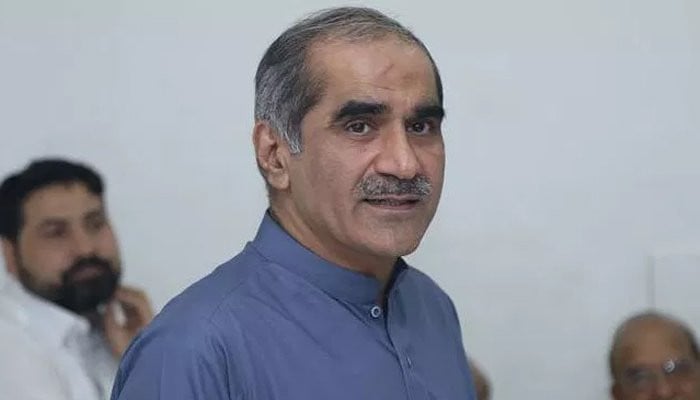
PML-N leader Saad Rafique has urged the government and protesters to abandon rigid stances and initiate immediate talks to prevent further economic disruption.
The Core Development
In the wake of escalating political friction in Lahore and other key urban centers, Pakistan Muslim League-Nawaz (PML-N) senior leader Khawaja Saad Rafique has made an urgent public appeal for the state and protesting factions to transcend their political egos. Speaking on the necessity of timely intervention, Rafique emphasized that continued confrontation yields no sustainable resolution and only serves to deepen societal polarization. The standoff, which has witnessed significant mobilization and road blockades, has paralyzed routine administrative functions and heightened security deployments across Punjab's capital. Authorities have struggled to balance maintenance of public order with constitutional rights of assembly, creating a volatile operational environment for civil administration and law enforcement agencies alike.
Commercial & Economic Implications
The persistent friction between political agitators and state machinery carries severe ramifications for Pakistan's fragile economic recovery. Wholesale distribution networks centered around Lahore's major commercial hubs, including Shahalam Market and Azam Market, have reported immediate logistical bottlenecks. Transport operators face severe delays as arterial routes experience intermittent closures, driving up freight costs and disrupting inventory replenishment schedules for retail entities nationwide. In an economy already grappling with sticky consumer price inflation and compressed purchasing power, supply chain interruptions risk triggering artificial scarcity of essential commodities. Small and medium-sized enterprises (SMEs), which form the backbone of the domestic retail trade, are bearing the brunt of reduced foot traffic and diminished consumer confidence.
Related Intelligence: South Asian Floods Threaten Regional Trade and Supply Chains
Stakeholder Perspectives & Market Reactions
Commercial bodies and trade associations have expressed deep consternation over the unfolding events. Representatives from the Lahore Chamber of Commerce and Industry (LCCI) noted that sustained political uncertainty directly undermines investor sentiment at a time when macroeconomic stabilization remains tenuous. Market analysts point out that foreign direct investment (FDI) inflows and domestic capital formation are acutely sensitive to domestic security indicators. Legal experts, meanwhile, have underscored the constitutional imperative for both sides to seek recourse within parliamentary and judicial frameworks, warning that extra-institutional standoffs erode public faith in democratic institutions and regulatory predictability.
Forward Outlook & Key Watchpoints
As the situation remains fluid, key stakeholders are closely monitoring several operational indicators over the coming week. The primary watchpoints include the willingness of opposition leadership to engage in formal mediation, potential shifts in security postures across major highways, and emergency economic advisories from federal trade ministries. If backchannel negotiations fail to yield a de-escalation framework, businesses anticipate further disruptions to commercial transport and banking operations. Policymakers face a narrow window to restore regulatory certainty, protect consumer welfare, and insulate vital supply chains from the corrosive effects of prolonged political volatility.
Join Our Official WhatsApp Channel
Receive live commodity alerts, policy changes, and commercial intelligence directly on WhatsApp.