
Bangkok Floods Disrupt Regional Supply Chains and Global Trade Networks
Severe monsoon flooding in Bangkok displaces thousands and disrupts critical logistics hubs, threatening regional supply chains and international commodity flows across Southeast Asia.
Geopolitical & Core Developments
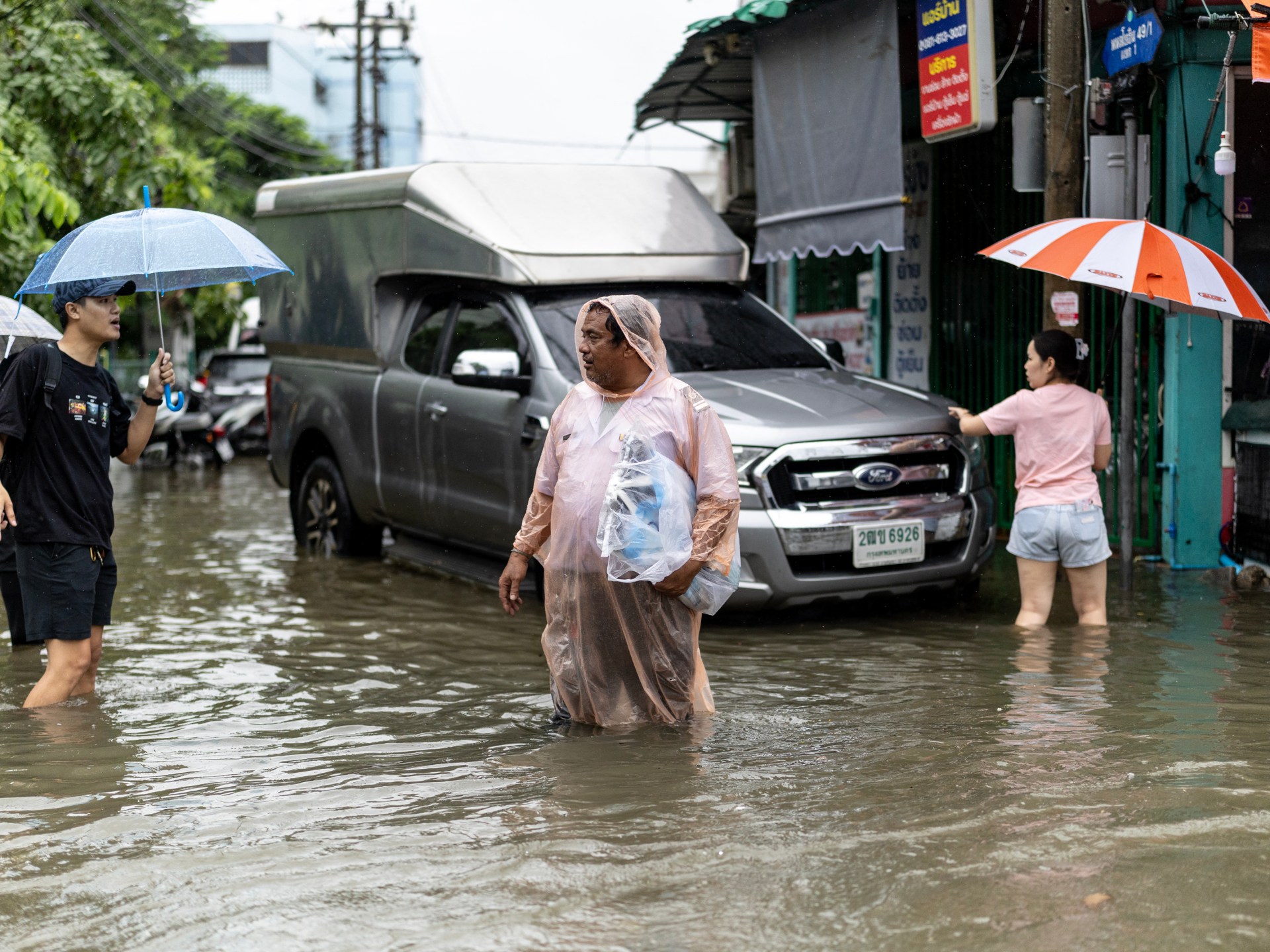
Continuous, unprecedented downpours have battered Bangkok and surrounding central plains, overwhelming municipal drainage infrastructure and forcing thousands of residents into emergency evacuation shelters. The disaster, unfolding during the peak of the regional monsoon season, has prompted the Thai government to declare state-level disaster alerts across multiple metropolitan districts. State actors and civil defense units have mobilized heavy pumping equipment and emergency relief supplies, yet the sheer volume of precipitation has strained federal disaster response capacities.
Strategically, the capital serves as the political and administrative epicenter of the kingdom, making any prolonged paralysis a test of national governance and infrastructural resilience. Prime ministerial cabinets and regional governors are coordinating emergency mitigation protocols, but historical vulnerabilities in urban planning along the Chao Phraya River basin continue to compound the crisis. The unfolding situation highlights the growing urgency for Southeast Asian economies to integrate climate resilience into national security and macroeconomic planning.
Global Trade & Economic Ripples
Beyond the immediate humanitarian toll, the inundation of greater Bangkok carries profound implications for global trade and international supply chains. Thailand is a linchpin in global manufacturing networks, particularly for automotive components, hard disk drives, and agricultural commodities including rice and rubber. Several major industrial estates situated on the northern and eastern fringes of the capital report compromised logistics links, halting the seamless transit of goods to Laem Chabang Port, the nation's primary deep-sea gateway.
Global commodity markets have registered localized price sensitivities, particularly within agricultural futures where fears of crop damage and delayed harvests persist. International shipping lanes originating from the Gulf of Thailand face operational delays as port access routes experience bottlenecks. Furthermore, multinational corporations with regional headquarters or tier-one suppliers in the affected zones are activating contingency protocols, threatening to induce temporary component shortages across Western and East Asian assembly lines.
Related Intelligence: South Africa Mass Shooting Shakes Security and Mining Hub Stability
International Reactions & Diplomatic Stances
Multilateral organizations and foreign diplomatic missions have expressed solidarity with the Royal Thai Government while closely monitoring the economic fallout. The United Nations Office for Disaster Risk Reduction has reiterated warnings regarding the escalating frequency of extreme weather events across the Indo-Pacific region, emphasizing the necessity of robust transnational adaptation frameworks.
Market analysts from major financial institutions in Singapore and London have initiated revisions of third-quarter GDP growth forecasts for Thailand, citing potential drags from industrial downtime and infrastructural repair expenditures. Foreign trade chambers have issued advisory notes to multinational investors, underscoring the vulnerabilities inherent in centralized manufacturing hubs and prompting renewed dialogues on supply chain diversification across the Association of Southeast Asian Nations (ASEAN) economic community.
Strategic Outlook & Future Scenarios
As meteorological agencies predict further precipitation cycles, the near-term trajectory depends heavily on the efficacy of emergency floodway diversions and drainage operations. Upcoming regional trade summits are expected to elevate discussions on climate-induced economic disruption, pushing member states toward joint financing mechanisms for climate-proof infrastructure.
In the medium to long term, the crisis is poised to accelerate structural shifts in foreign direct investment strategies. Corporations may increasingly favor decentralized production networks outside traditional flood plains, altering the industrial geography of mainland Southeast Asia. For global markets, Bangkok's current predicament serves as a stark reminder of how environmental shocks can rapidly translate into systemic economic friction across interconnected global trade architectures.
Join Our Official WhatsApp Channel
Receive live commodity alerts, policy changes, and commercial intelligence directly on WhatsApp.