
Swiss Glaciers Suffer Disastrous Ice Loss Threatening Global Water Supplies
Swiss glaciers have suffered a disastrous year of unprecedented ice loss, posing severe threats to European water supplies and continental trade corridors.
Geopolitical & Core Developments
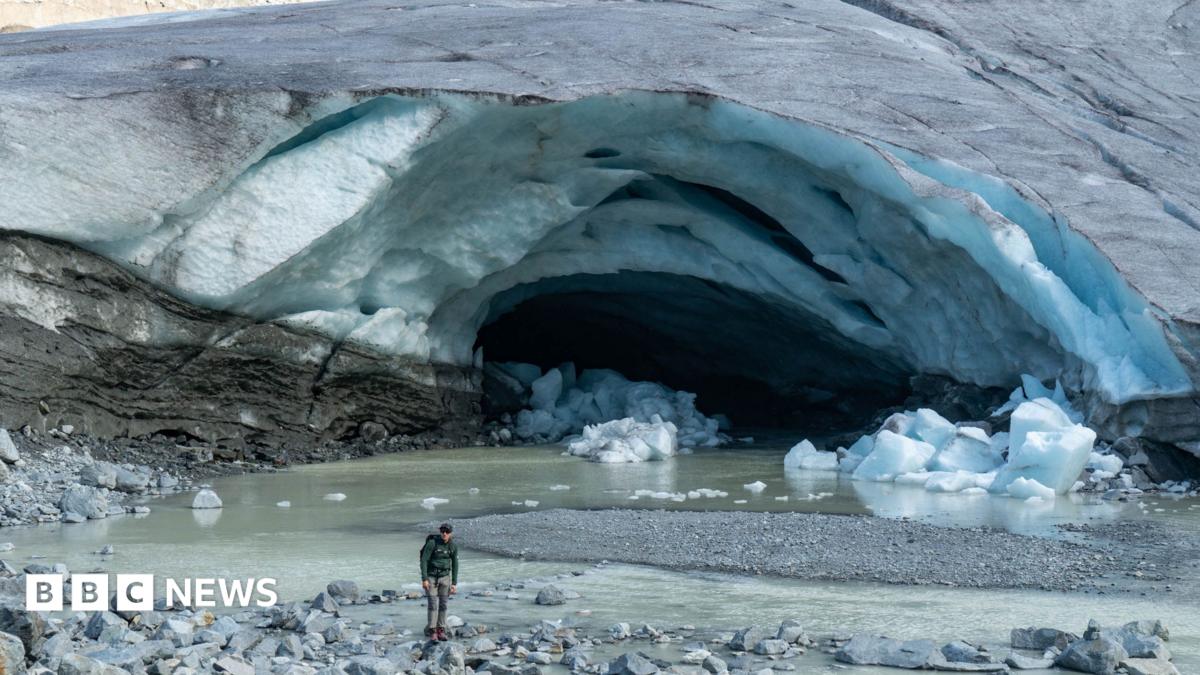
The catastrophic degradation of Switzerland's alpine glacier network has entered a critical phase, fundamentally altering the hydrological map of Western Europe. According to recent scientific assessments from cryospheric monitoring bodies, the Swiss glacier system has endured another consecutive year of historic ice loss. This rapid environmental retreat is no longer viewed as an isolated meteorological anomaly by international observers, but rather as a systemic shock to the continent's ecological stability. State actors across the European Union, particularly downstream nations dependent on the Rhine and Rhône river basins, are facing an unprecedented resource crisis. The acceleration of glacial melt directly impacts geopolitical stability, as transboundary water-sharing agreements face immense stress from diminished river discharge volumes during peak commercial shipping seasons. Diplomatic channels are increasingly engaged in emergency consultations to address the long-term security implications of dwindling freshwater reserves, which historically have anchored Central European stability.
Global Trade & Economic Ripples
The commercial ramifications of dwindling alpine water reserves extend deep into global commodity markets and supply chain logistics. Major European inland waterways, reliant on steady glacial runoff and seasonal precipitation, have experienced recurrent low-water disruptions. These disruptions severely restrict commercial barge traffic carrying vital industrial raw materials, energy products, and agricultural commodities between North Sea ports and industrial centers in Germany and Switzerland. Furthermore, energy markets face heightened volatility as hydroelectric power generation capacity across the Alpine region diminishes during critical peak demand periods. Insurance underwriters and institutional investors are increasingly pricing climate-induced infrastructure risks into commercial lending rates, signaling a permanent shift in how capital markets evaluate environmental vulnerabilities in transcontinental trade routes and heavy manufacturing sectors.
Related Intelligence: Nepal Landslides Stranded Trekkers Trigger Supply Chain and Tourism Crisis
International Reactions & Diplomatic Stances
Mediterranean and Central European governments have escalated their diplomatic engagement, calling for urgent multilateral interventions under the auspices of the United Nations Framework Convention on Climate Change. Scientific delegations and environmental ministers have emphasized that current national mitigation commitments remain wholly inadequate to arrest the rapid deterioration of the cryosphere. Market analysts from leading financial institutions have issued stark warnings to global investors, highlighting that sovereign credit ratings in climate-vulnerable economies could face downward revisions if adaptation investments do not accelerate. International trade bodies are urging member states to adopt standardized environmental risk disclosures, aiming to insulate critical supply chains from sudden disruptions caused by climate-driven hydrological failures.
Strategic Outlook & Future Scenarios
Looking toward upcoming international climate summits and trade negotiations, the trajectory of alpine glacial degradation points toward heightened economic friction and potential regulatory disputes over water allocation. As glacial volumes continue to shrink past critical tipping points, governments will likely implement stringent water-use restrictions that could constrain heavy industrial output and agricultural productivity across Central Europe. Strategic planners in both the public and private sectors are urgently modeling worst-case scenarios for the coming decade, anticipating increased capital expenditure requirements for artificial water storage, desalinization integration, and alternative freight logistics corridors. Without coordinated cross-border investments and aggressive global emission reductions, the socioeconomic fallout from disappearing alpine ice will exert sustained downward pressure on European economic competitiveness and regional security.
Join Our Official WhatsApp Channel
Receive live commodity alerts, policy changes, and commercial intelligence directly on WhatsApp.