
Syrian Gas Pipeline Blast Cripples Power Grid and Regional Energy Security
A strategic gas pipeline explosion in Syria has knocked three major power plants offline, deepening the humanitarian crisis and threatening broader regional energy stability.
Geopolitical & Core Developments
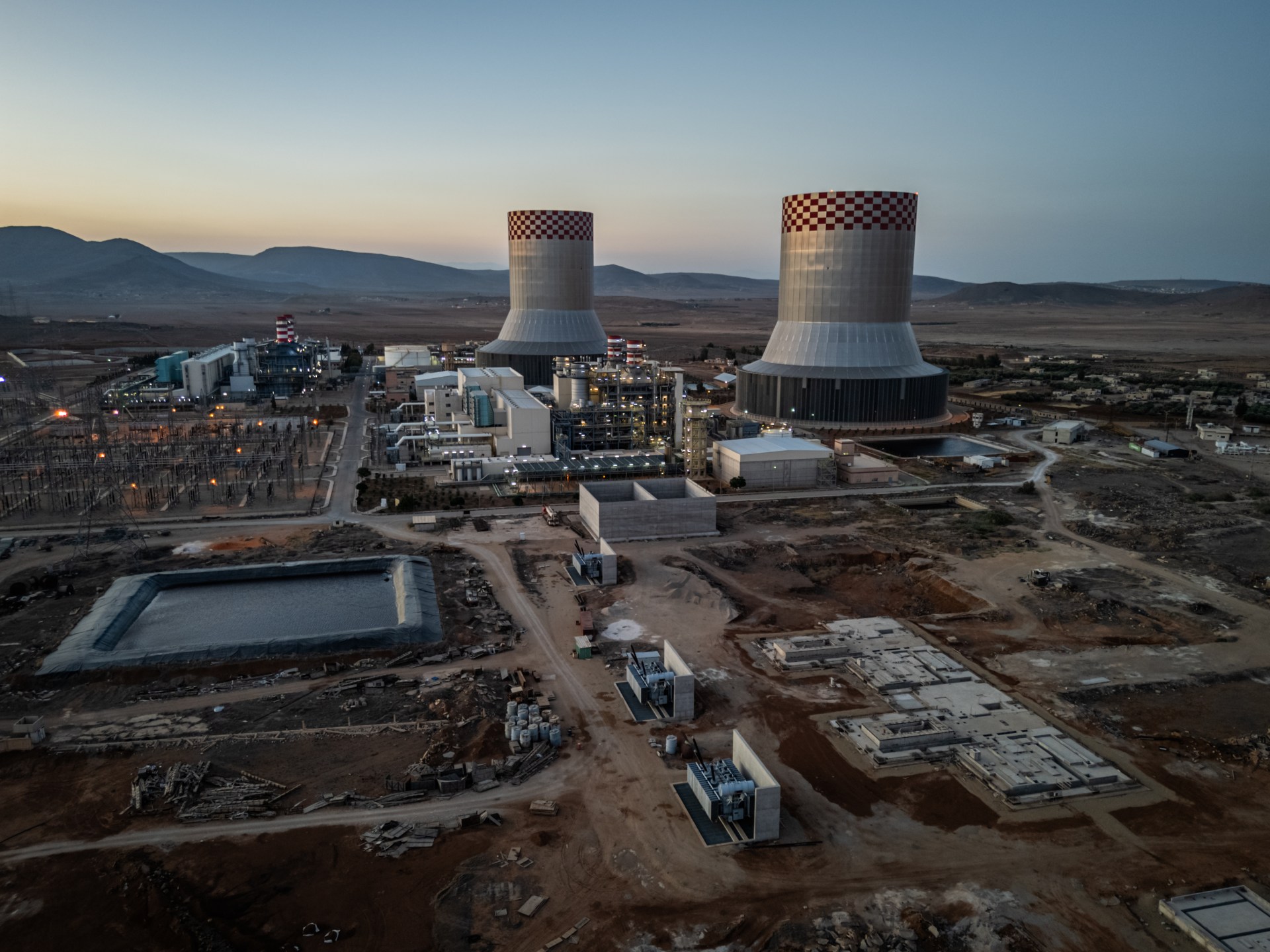
A violent explosion along a major strategic gas pipeline in the Syrian Arab Republic has dramatically underscored the fragility of the nation's war-torn energy infrastructure. The blast, which local authorities and security monitors increasingly attribute to targeted sabotage by clandestine insurgent factions, instantly severed vital fuel supplies to three of the country's most critical electricity generation facilities. The sudden cessation of fuel inputs forced plant operators to execute emergency shutdowns to prevent catastrophic system failures, plunging vast urban centers and industrial zones into extended blackouts.
For over a decade, Syria's energy grid has remained a primary casualty of protracted civil conflict, international sanctions, and systemic underinvestment. State-run energy companies have struggled to procure spare parts and refined hydrocarbons required for basic maintenance. This latest incident compounds an already dire operational environment, where pipeline networks traversing remote desert terrain routinely face asymmetric attacks. The timing of the blast—amidst an already acute winter heating and electricity deficit—suggests a calculated effort by hostile actors to destabilize remaining government-controlled administrative hubs and exacerbate socioeconomic discontent.
Global Trade & Economic Ripples
While Syria is largely insulated from formal international commodity exchanges due to comprehensive Western sanctions, the disintegration of its domestic energy infrastructure carries profound localized economic repercussions with wider regional spillover. The immediate consequence is a drastic escalation in power rationing hours, cutting municipal electricity availability to mere fractions of the day. This crippling power deficit has brought light manufacturing, agricultural irrigation, and commercial retail to a near standstill across major hubs like Damascus and Homs.
On a broader macroeconomic scale, the collapse of domestic power generation forces a heavier reliance on smuggled hydrocarbons, costly generator fuel imports, and precarious cross-border energy sharing arrangements with neighboring states. These illicit supply chains drain scarce foreign currency reserves from the central bank and enrich regional black-market syndicates. Furthermore, the persistent instability of energy corridors in the Levant deters foreign direct investment and complicates multilateral humanitarian logistics, driving up the baseline cost of basic commodities, wheat milling, and potable water distribution across the Syrian theater.
Related Intelligence: وزارتِ اطلاعات کی افغان طالبان حکومت کے بے بنیاد الزامات پر سخت تردید
International Reactions & Diplomatic Stances
International monitors, humanitarian agencies, and geopolitical analysts have expressed deep concern over the cascading humanitarian consequences of the pipeline sabotage. United Nations officials reiterated warnings that prolonged electrical blackouts severely compromise essential services, including hospitals, water pumping stations, and sanitation networks, placing millions of vulnerable civilians at immediate risk.
Regional energy analysts note that the incident highlights the urgent need for robust infrastructure protection protocols in post-conflict transition zones. However, diplomatic efforts remain severely hamstrung by deep geopolitical divisions within the United Nations Security Council. Western capitals maintain stringent economic embargoes targeting Syrian state entities, arguing that reconstruction assistance must be contingent upon genuine political transition. Conversely, Damascus and its primary international allies attribute the structural collapse of the national grid entirely to illegal foreign sanctions and foreign-backed terrorism, leaving little room for cooperative cross-border infrastructure rehabilitation.
Strategic Outlook & Future Scenarios
Looking ahead, the trajectory of Syria's energy sector remains inextricably linked to the broader, unresolved geopolitical stalemate. Without substantial foreign capital injection, technical expertise, and comprehensive security guarantees for energy corridors, the national grid will likely experience further cascading failures. State energy planners face the daunting prospect of managing chronic fuel shortages through increasingly draconian rationing measures, potentially sparking renewed civil unrest fueled by economic desperation.
In the medium term, regional stability will depend heavily on whether neighboring energy exporters can facilitate emergency relief supplies without running afoul of international sanctions regimes. As asymmetric warfare continues to target critical nodes of the Levant's economic architecture, the incident serves as a stark reminder that physical reconstruction cannot outpace genuine political reconciliation and durable security frameworks.
Join Our Official WhatsApp Channel
Receive live commodity alerts, policy changes, and commercial intelligence directly on WhatsApp.