
Supreme Court Orders Immediate FIR Registration, Warns Police Over Delays
The Supreme Court of Pakistan has ordered law enforcement to register First Information Reports immediately upon receipt of cognizable complaints, warning delinquent police officers of severe criminal and contempt action.
The Core Development
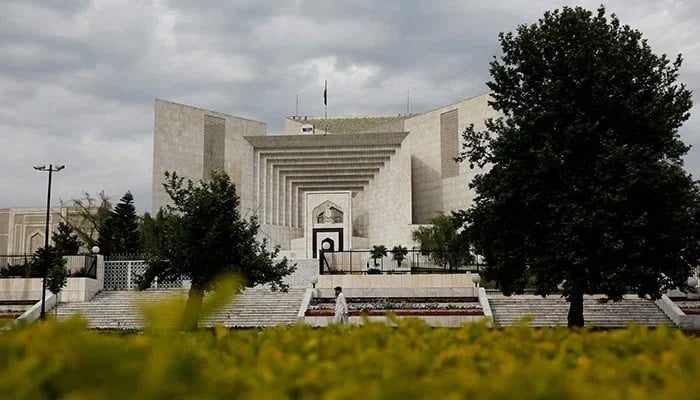
The Supreme Court of Pakistan has issued an authoritative directive instructing police authorities across all provinces and the Islamabad Capital Territory to execute the immediate, mandatory registration of First Information Reports (FIRs) upon receipt of complaints regarding cognizable offenses. Addressing pervasive institutional bottlenecks and procedural inertia at the station level, the apex court ruled that the statutory framework governed by Section 154 of the Code of Criminal Procedure (CrPC) allows no administrative discretion to withhold or delay the formal lodging of a criminal case. The bench clarified that police personnel have neither the legal authority nor the jurisdiction to conduct informal preliminary inquiries or initiate reconciliation talks prior to docketing an FIR once a cognizable offense is disclosed.
In a stern warning issued to the provincial Inspectors General of Police (IGPs), the court underscored that Station House Officers (SHOs) and supervisory personnel who fail to comply with these statutory obligations will face direct legal consequences. These include departmental removal, criminal prosecution under Section 166 of the Pakistan Penal Code (PPC) for public servants disobeying statutory directives, and formal contempt of court proceedings. The directive aims to eliminate the entrenched practice of discretionary gatekeeping, which has historically obstructed citizens and commercial entities from accessing the criminal justice system in a timely manner.
Commercial & Economic Implications
For Pakistan's corporate and merchant sectors—encompassing FMCG distribution, wholesale trade, and freight logistics—the ruling addresses a chronic operational vulnerability. Commercial enterprises operating along national transport corridors and wholesale hubs regularly contend with transit theft, container hijackings, warehouse burglaries, and transactional fraud, including dishonored financial instruments under Section 489-F of the PPC. Historically, systemic police resistance to lodging FIRs has severely disrupted commercial recovery mechanisms, as commercial insurance syndicates strictly require an immediate, certified copy of an FIR before processing indemnity claims or releasing settlement payouts.
By curbing administrative delays and extortionary practices at police stations, the Supreme Court's ruling reduces deadweight compliance costs for wholesale enterprises and supply chain aggregators, such as Kalyar Traders. Faster reporting and documentation directly shorten the cycle of unresolved working-capital losses caused by theft or fraud. Furthermore, enhanced institutional accountability mitigates risk premiums for domestic road freight and warehousing operations, fostering a more predictable legal environment for regional trade and contract enforcement across provincial jurisdictions.
Related Intelligence: Supreme Court Warns Sindh Police with Contempt Over Delayed FIRs
Stakeholder Perspectives & Market Reactions
The judicial intervention has drawn widespread commendation from trade associations, legal professionals, and business leaders, alongside measured responses from law enforcement administrators. Officials from the Federation of Pakistan Chambers of Commerce and Industry (FPCCI) and regional merchant bodies characterized the verdict as an overdue structural reform, noting that delayed FIR registration has long functioned as an informal toll on legitimate enterprise, leaving small and medium distributors unprotected against criminal cartels.
Legal experts highlighted that Section 154 CrPC has always been legally mandatory, pointing out that arbitrary police delays violated fundamental constitutional rights regarding equal protection under the law. In contrast, senior police officials, while affirming compliance through internal circulars, noted the operational complexities of managing potential surges in frivolous or vindictive filings. Law enforcement representatives cautioned that clear mechanisms must be retained to filter out civil commercial disagreements deliberately mischaracterized as criminal breach of trust, ensuring police resources remain concentrated on genuine criminal activity.
Forward Outlook & Key Watchpoints
The operational impact of the Supreme Court's mandate will depend on execution across provincial police departments over the coming months. Provincial commands are expected to align centralized digital reporting infrastructures, including the Police Station Record Management System (PSRMS) and integrated grievance helplines, with the court's strict timelines to prevent localized suppression of complaints. District and Sessions Judges, exercising their authority as Ex-officio Justices of Peace under Sections 22-A and 22-B of the CrPC, are positioned to enforce rigorous compliance by issuing immediate show-cause notices to non-compliant SHOs.
Key watchpoints for market participants include the pace of insurance claim adjudications for freight and warehouse losses, potential decreases in transit-theft impunity along major transit routes, and the frequency with which courts initiate punitive actions against delinquent police officers. If effectively monitored and enforced, this ruling could systematically lower legal risks for commercial trade throughout Pakistan.
Join Our Official WhatsApp Channel
Receive live commodity alerts, policy changes, and commercial intelligence directly on WhatsApp.