
Ronaldo Recall Highlights Gulf-European Sports Diplomacy and Commercial Valuation Shifts
Cristiano Ronaldo's inclusion in Portugal's Nations League squad at 41 reflects the intersection of elite European athletic governance and Gulf-backed sports diplomacy, stabilizing commercial valuations across international broadcast and sponsorship markets.
Geopolitical & Core Developments
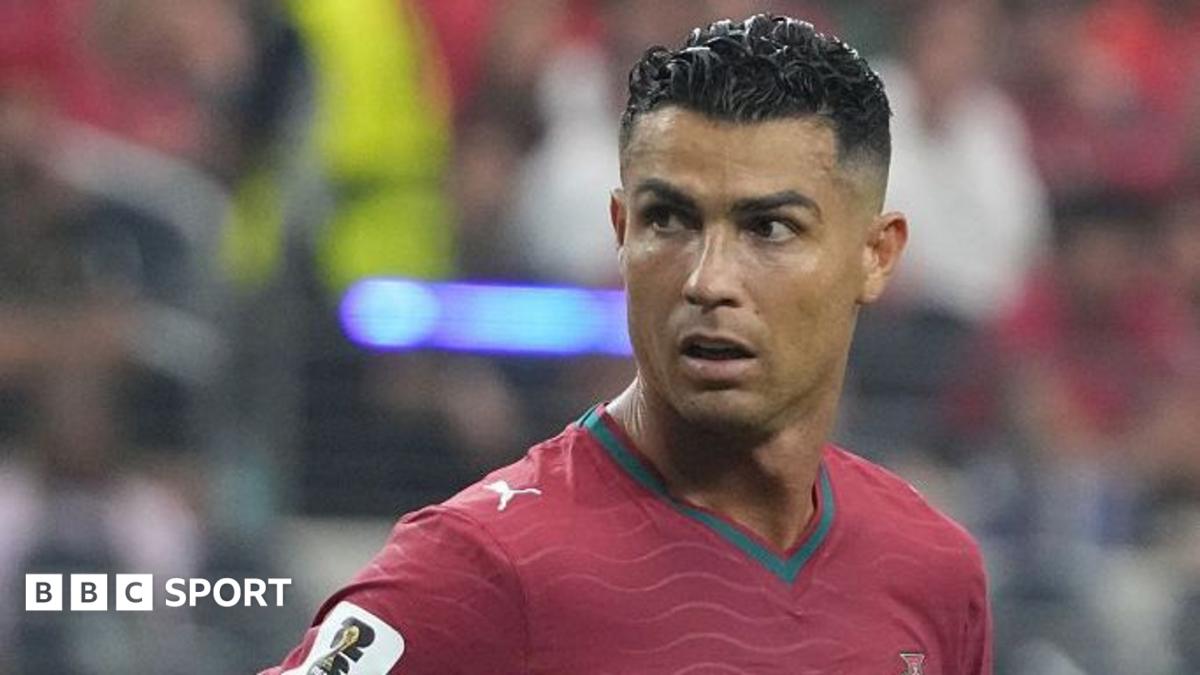
The strategic decision by Portugal's newly appointed national team manager, Jorge Jesus, to include Cristiano Ronaldo in the squad for the upcoming UEFA Nations League fixtures marks a defining intersection of elite athletic longevity and international soft-power diplomacy. At 41 years of age, Ronaldo's continued central role within Portugal's premier sporting institution reflects Lisbon's sustained reliance on global sporting icons to project cultural and institutional influence across multilateral arenas.
The appointment of Jorge Jesus—himself a prominent coaching figure with extensive managerial tenure in Saudi Arabia's domestic league—highlights the expanding institutional and commercial corridors connecting Southern Europe and the Arabian Gulf. Ronaldo's operational presence bridges traditional European athletic structures with Saudi Arabia's state-backed sports diplomacy apparatus under the Vision 2030 economic transformation agenda. By maintaining a starting-caliber presence in European continental competition while anchored commercially at Riyadh-based Al-Nassr, Ronaldo functions as a strategic conduit for bilateral soft power, showcasing how sovereign investment strategies interact directly with historic European football federations.
Global Trade & Economic Ripples
The commercial implications of Ronaldo's prolonged international career reverberate across media rights markets, sports apparel supply chains, and sovereign wealth allocation models. Global sports entertainment represents an asset class deeply sensitive to individual brand equity, and Ronaldo's platform remains among the most capitalized media ecosystems in world commerce. Broadcast rights valuations for the UEFA Nations League consistently reflect a measurable premium when legacy figures participate, driving syndication revenues across expanding media markets in the Middle East, North America, and the Asia-Pacific region.
Furthermore, this development directly benefits cross-border commercial partnerships between Gulf sovereign entities and international sports conglomerates. High-value sponsorship agreements spanning aviation, financial services, and telecommunications—such as commercial pacts involving regional flag carriers and infrastructure developers—depend heavily on the transnational visibility of globally recognized figures. The continuity of Ronaldo's international career stabilizes advertising futures and merchandising contracts, reinforcing licensing demand across retail networks and preserving high-margin capital flows for federations and athletic equipment manufacturers alike.
Related Intelligence: Lamine Yamal Racism Remarks Spark Global Scrutiny Over European Sports Governance
International Reactions & Diplomatic Stances
Market analysts and sports governance authorities have interpreted the squad announcement as an affirmation of evolving high-performance sports science and a triumph of sports asset management. European football administration officials have privately welcomed the commercial resilience that Ronaldo's sustained involvement confers upon the UEFA Nations League, a tournament designed to replace traditional international friendlies with high-value competitive fixtures.
Concurrently, media analysts and commercial observers throughout the Gulf Cooperation Council (GCC) regard the call-up as tangible validation of the competitive standards established within the Saudi Pro League. Representatives within the Saudi sporting ecosystem have framed Ronaldo's ongoing international viability as evidence that sovereign investments in athletic talent and sports infrastructure are delivering world-class athletic outcomes. Analysts at European commercial advisory groups have emphasized that the retention of global superstars serves as a primary risk mitigation strategy for corporate sponsors navigating fragmented consumer attention and shifting broadcast consumption habits.
Strategic Outlook & Future Scenarios
The strategic horizon points toward accelerated institutional convergence between Gulf financial capital and European sporting governance. As Portugal progresses through the Nations League cycle and focuses on preparations for the 2026 FIFA World Cup and the co-hosted 2030 FIFA World Cup alongside Spain and Morocco, elite athlete retention strategies will increasingly overlap with multinational commercial treaties and cross-continental infrastructure projects.
Over the medium term, commercial organizations will monitor how governing bodies manage scheduling pressures, physical sustainability, and broadcast revenue distribution as athletes extend their productive tenures past traditional horizons. Should Ronaldo maintain performance benchmarks through upcoming international campaigns, commercial stakeholders project unprecedented commercial licensing arrangements for quadragenarian athletes. However, the expanding influence of sovereign capital within domestic and international competitions may also prompt renewed regulatory debates within European administrative bodies concerning financial fair play, competitive parity, and the geopolitical dimensions of global entertainment trade.
Join Our Official WhatsApp Channel
Receive live commodity alerts, policy changes, and commercial intelligence directly on WhatsApp.