
Supreme Court Reinforces Bail Principles Amid Shifting Prosecutorial Stances in Commercial Drug Cases
Pakistan's Supreme Court has ruled that suspects cannot be denied bail when reasonable doubt exists, admonishing the prosecution for inconsistent allegations in a high-profile expired medicines distribution case.
The Core Development
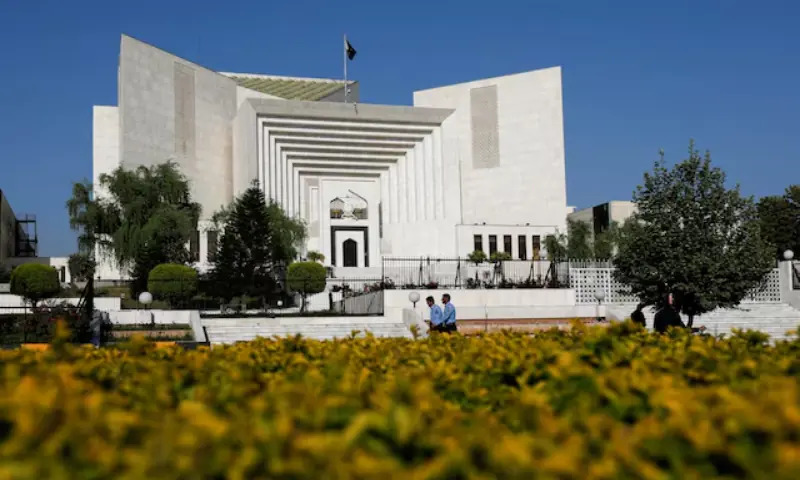
In a decisive judicial pronouncement reinforcing constitutional liberties, the Supreme Court of Pakistan has ruled that the benefit of bail must be extended to an accused individual whenever reasonable doubt emerges regarding their direct involvement in an alleged offense. The verdict, authored by Justice Muhammad Ali Mazhar heading a three-member bench, took stern exception to the prosecution's vacillating stances during judicial proceedings, emphasizing that pre-trial detention cannot serve as punitive retribution.
The case centered on a criminal appeal filed by Muhammad Akbar concerning proceedings initiated under the purview of Quetta's New Sariab Police Station. The underlying controversy involved allegations surrounding the possession and illicit circulation of expired pharmaceutical products. The apex court had initially granted bail on April 16, which was subsequently affirmed on the same terms and conditions after the bench observed significant inconsistencies in the state's narrative. Justice Mazhar highlighted that the primary objective of a criminal trial is to ensure the accused stands trial and answers allegations, rather than languishing behind bars without conclusive preliminary evidence.
Commercial & Economic Implications
This landmark judicial intervention carries broad structural ramifications for Pakistan's formal pharmaceutical retail, wholesale distribution, and consumer supply chains. The domestic market for healthcare and regulated commodities frequently suffers from severe friction due to ambiguous regulatory enforcement and aggressive, non-standardized police raids. Wholesale distributors and logistical intermediaries often find themselves entangled in criminal litigation over inventory discrepancies, reverse-logistics delays, or standard stock returns of expired compounds.
When state authorities apply heavy-handed prosecutorial measures without rigorous forensic proof, legitimate supply chains contract. Distributors become risk-averse, leading to regional supply bottlenecks for critical life-saving therapeutics. Moreover, arbitrary detentions increase the operational cost of compliance and logistics across provincial borders, particularly in logistical corridors like Balochistan. Legal uncertainty in inventory handling trickles down to end-consumers in the form of elevated risk premiums, inconsistent retail drug availability, and fragmented commercial wholesale networks.
Related Intelligence: Anti Terrorism Court Appoints State Counsel in Mazari Security Route Case
Stakeholder Perspectives & Market Reactions
Legal experts and trade bodies representing the pharmaceutical distribution fraternity have welcomed the apex court's observations. The Pakistan Chemists and Druggists Association (PCDA) has long contended that provincial authorities often fail to differentiate between willful counterfeiting networks and procedural inventory administrative lapses regarding expired shelf stock awaiting disposal or return under Drug Regulatory Authority of Pakistan (DRAP) protocols.
Corporate jurists noted that the bench's censure of shifting prosecutorial positions establishes a critical procedural shield for commercial operators. According to regulatory counsel, holding investigative agencies accountable for evidence-based charging prevents extortionary practices and frivolous First Information Reports (FIRs) against legitimate traders. Human rights advocates also commended the decision, noting that systemic reliance on prolonged pre-trial incarceration subverts fundamental due process principles enshrined in Article 9 and Article 10-A of the Constitution.
Forward Outlook & Key Watchpoints
The Supreme Court ruling sets an authoritative judicial precedent expected to govern lower trial courts, provincial high courts, and drug courts nationwide. In the coming quarters, watchpoints include whether the federal and provincial health secretariats issue updated standard operating procedures for drug inspectors during inventory seizures to prevent arbitrary arrests.
Furthermore, institutional adherence to this ruling will be tested across lower judicial tiers handling complex economic, corporate, and retail infractions. Market participants will monitor whether state prosecutors face judicial cost penalties for presenting contradictory pleadings. Establishing strict evidential thresholds before denying fundamental bail rights remains vital to stabilizing Pakistan's business environment and protecting commercial distributors from weaponized regulatory oversight.
Join Our Official WhatsApp Channel
Receive live commodity alerts, policy changes, and commercial intelligence directly on WhatsApp.