
Sudan Famine Crisis Threatens Regional Stability and Commodity Flows
Sudan's escalating war-driven famine mirrors historical catastrophes, threatening regional stability and critical Red Sea trade routes.
Geopolitical & Core Developments
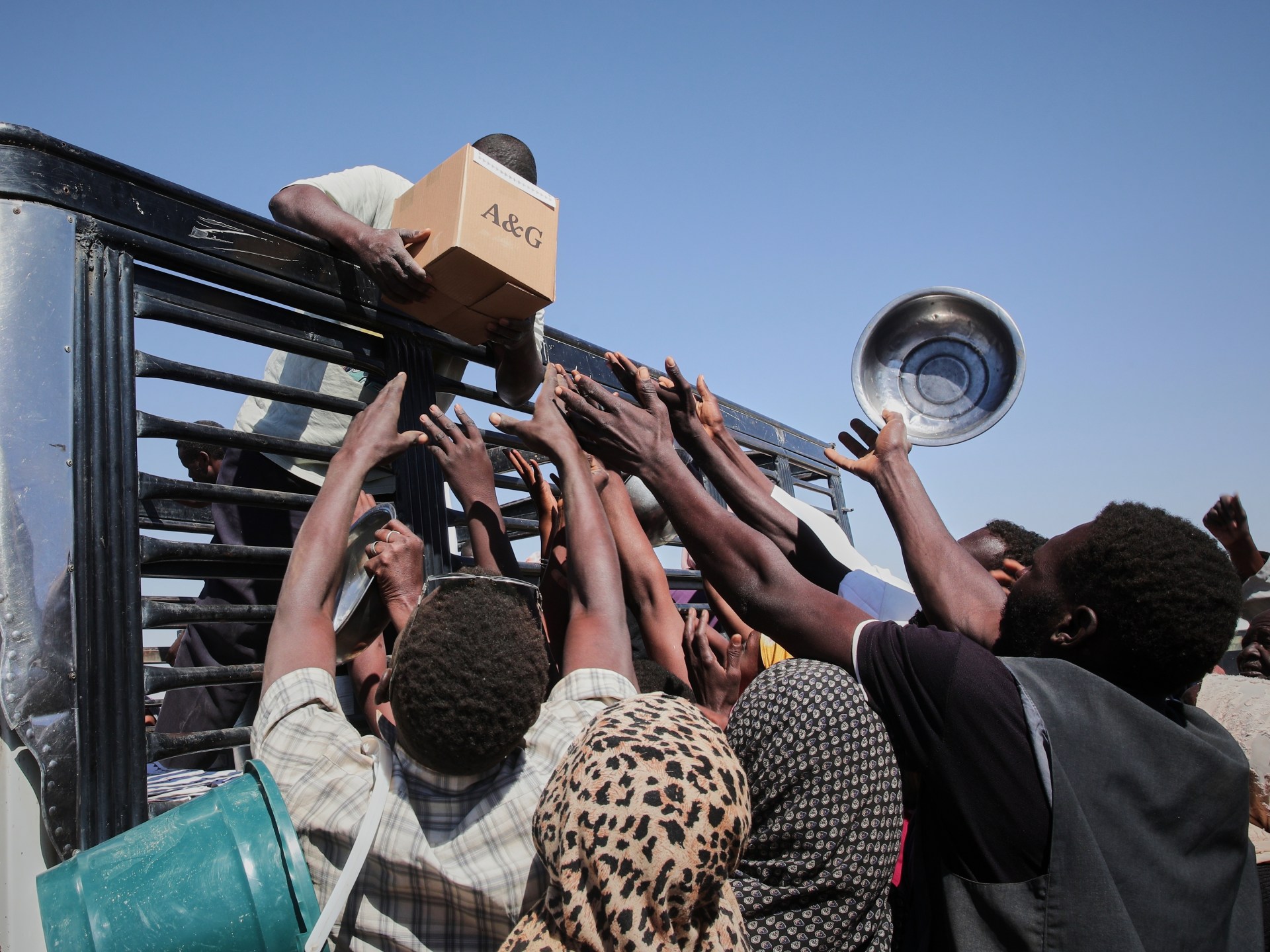
The catastrophic humanitarian emergency unfolding in Sudan has transcended a domestic calamity, evolving into a critical geopolitical crisis that threatens the stability of the greater Horn of Africa and the Red Sea corridor. More than a year of brutal warfare between the Sudanese Armed Forces (SAF) and the Rapid Support Forces (RSF) has systematically dismantled state institutions, displaced millions of civilians, and triggered a man-made famine reminiscent of the darkest chapters of the region's history. Agricultural production has ground to a halt across crucial breadbasket regions, notably in the Darfur and Kordofan theaters, where fighting remains intense and unrelenting. State actors and regional powers are increasingly entangled in the proxy dynamics of the conflict, complicating peace initiatives led by the Intergovernmental Authority on Development (IGAD) and the African Union. Strategic stakes are exceptionally high, given Sudan's geographic positioning as a bridge between the Middle East and sub-Saharan Africa, as well as its extensive coastline along vital maritime shipping lanes. Diplomatic efforts have repeatedly stalled due to intransigence from the warring factions, leaving millions trapped in siege-like conditions without access to basic sustenance, medical care, or humanitarian assistance. The systematic weaponization of hunger by belligerents underscores an alarming disregard for international humanitarian law, prompting calls for more assertive enforcement mechanisms from the international community.
[Global Trade](/news/middle-east-tensions-threaten-global-trade-commodity-markets) & Economic Ripples
Beyond the immediate human toll, the collapse of Sudan's economy carries profound implications for global trade, agricultural commodity pricing, and regional shipping security. Historically a significant exporter of gum arabic, sesame, and livestock, Sudan's economic paralysis has severed vital supply chains critical to global confectionery, pharmaceutical, and food processing industries. The disruption of agricultural output in East Africa feeds into broader inflationary pressures on global soft commodities, compounding existing supply vulnerabilities stemming from geopolitical friction in Eastern Europe and the Middle East. Furthermore, the instability threatens vital Red Sea shipping lanes, a commercial artery handling a substantial percentage of international maritime trade between Asia and Europe. Insurance premiums for vessels transiting the southern approaches to the Suez Canal have faced upward pressure amid growing concerns that the spillover from Sudan's internal conflict could destabilize neighboring coastal states like Eritrea and Djibouti. Regional trade networks across the Horn of Africa have fractured, paralyzing cross-border commerce and depreciating local currencies, which in turn inflates the cost of imported fuel and manufactured goods for populations already pushed to the brink of destitution.
Related Intelligence: Trump Media Venture Tests Global Press Freedom and Diplomatic Norms
International Reactions & Diplomatic Stances
International organizations and multilateral bodies have intensified warnings regarding the unprecedented scale of the hunger crisis, though tangible interventions remain severely constrained by bureaucratic and security hurdles. The United Nations World Food Programme and various humanitarian agencies have repeatedly appealed for unhindered access and emergency funding, noting that current donor pledges fall desperately short of operational requirements. Western governments have condemned the deliberate obstruction of aid convoys by both the SAF and the RSF, threatening targeted economic sanctions and asset freezes against military commanders and affiliated business networks fueling the war economy. Meanwhile, regional powers maintain divergent diplomatic postures, complicating a unified international response. Market analysts and geopolitical risk consultancies warn that prolonged inaction will cement a failed-state paradigm in Khartoum, creating a permanent vacuum that nurtures transnational extremist networks, illicit trafficking, and large-scale migratory pressures directed toward Europe and the Mediterranean basin.
Strategic Outlook & Future Scenarios
Looking ahead, the trajectory of the Sudanese crisis points toward a protracted stalemate characterized by intensifying fragmentation and deepening humanitarian devastation. Upcoming international donor conferences and diplomatic summits in Geneva and New York will attempt to recalibrate mediation frameworks, though meaningful breakthroughs remain unlikely without sustained pressure from global superpowers. Potential escalation points include a widening regional proxy war involving external patrons supplying advanced weaponry to the warring parties, which would further imperil regional stability and international commerce. Unless a robust, internationally backed ceasefire is enforced and humanitarian corridors are secured through coercive diplomacy, Sudan's famine will permanently scar the geopolitical landscape of East Africa, serving as a grim testament to the limits of contemporary multilateral conflict resolution.
Join Our Official WhatsApp Channel
Receive live commodity alerts, policy changes, and commercial intelligence directly on WhatsApp.