
Strait of Hormuz Tensions Escalate Following Naval Mine Strikes on Commercial Vessels
Tensions in the Persian Gulf surged after naval mines struck two commercial vessels in the Strait of Hormuz, triggering competing security claims by the United States and Iran alongside disruptions across global maritime routes.
Geopolitical & Core Developments
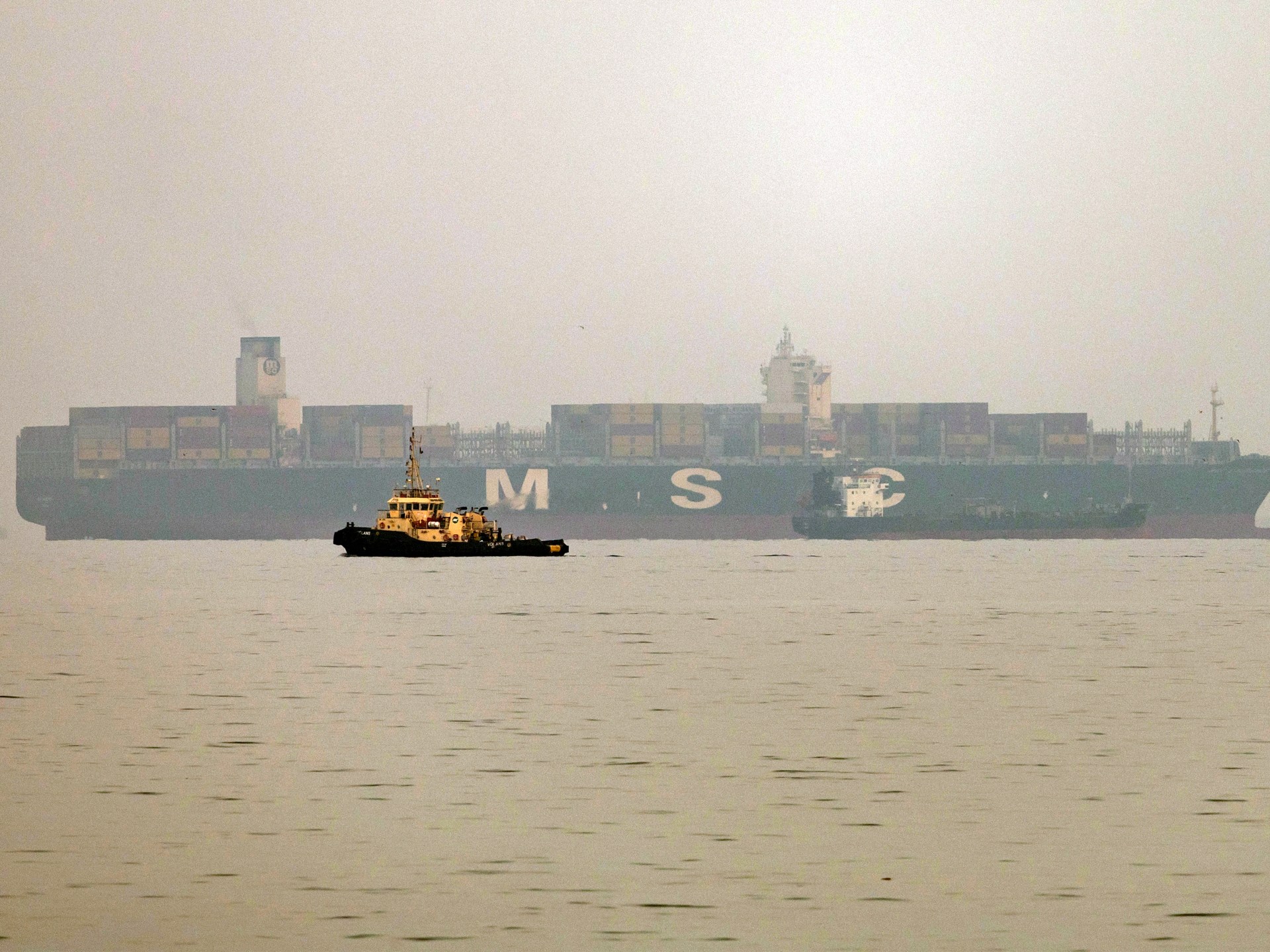
Tensions in the Persian Gulf reached a critical threshold this week after two commercial vessels sustained structural damage from suspected naval mines while transiting the Strait of Hormuz. The strategic waterway, which funnels roughly one-fifth of global petroleum liquids, has become the focal point of a dangerous standoff between Washington and Tehran, with both capital cities publicly asserting operational control over the corridor.
The United States Central Command stated that maritime patrol units observed underwater explosive ordnance deployed along transit lanes adjacent to Iranian territorial waters. In response, the Pentagon announced reinforced surface combatant escorts to deter further interdictions and safeguard international merchant traffic. Conversely, Iran’s Islamic Revolutionary Guard Corps Navy rejected foreign security jurisdiction, declaring the waterway sovereign Persian Gulf territory governed under domestic defensive mandates. Tehran maintained that Western naval posturing represents an unacceptable provocation in regional waters, setting off a volatile cycle of brinkmanship that threatens commercial maritime stability across the Middle East.
Global Trade & Economic Ripples
The immediate impact on global commodity markets was sharp and systemic. Front-month Brent crude contracts climbed sharply on international exchanges, reflecting acute supply-disruption fears among European and Asian refiners. The Strait of Hormuz is the indispensable conduit for crude, condensate, and liquefied natural gas originating from Saudi Arabia, Iraq, the United Arab Emirates, Qatar, and Kuwait. Any prolonged impediment to navigational passage threatens immediate shocks to global hydrocarbon balances.
Simultaneously, the London-based Joint War Committee placed the transit zone under heightened surveillance, resulting in a dramatic surge in additional war-risk premiums levied on hull and machinery coverage. Shipowners face escalating operational expenditures, with some international tanker operators weighing alternative routes or temporary operational pauses. For downstream importers—predominantly across East and South Asia—the rising cost of freight, compounded by elevated energy feedstocks, risks reigniting persistent inflationary pressures across manufacturing and industrial sectors worldwide.
Related Intelligence: Middle East War Spikes Fuel Costs, Triggering Philippine Solar Expansion
International Reactions & Diplomatic Stances
The international community responded with urgent appeals for military restraint and strict adherence to international maritime law. The United Nations Secretary-General issued an official communique underscoring the absolute necessity of respecting freedom of navigation under the United Nations Convention on the Law of the Sea, cautioning that miscalculation in the narrow chokepoint could ignite wider regional conflict.
Major energy-importing economies in the Asia-Pacific region, including Japan, South Korea, and China, called for immediate de-escalation, urging both Washington and Tehran to maintain open communication channels to prevent disruption to hydrocarbon flows. European foreign ministries similarly expressed grave concern, noting that commercial shipping must not be leveraged as an instrument of asymmetric statecraft. Meanwhile, regional security analysts warned that without an established maritime conflict deconfliction protocol, routine patrol encounters risk precipitating direct tactical engagements between US and Iranian naval units.
Strategic Outlook & Future Scenarios
The trajectory of the standoff depends heavily on whether naval security operations expand into multilateral patrol coalitions or remain a polarized confrontation between the US Navy and Iranian forces. Washington is anticipated to brief allies at an emergency session of the UN Security Council, seeking formal resolutions condemning the use of naval mines against civilian maritime logistics. Parallel to diplomatic tracks, the US Department of the Treasury may introduce targeted secondary sanctions against logistical networks tied to Iranian maritime arms proliferation.
In the near term, shipping operators should anticipate heightened inspections, mandatory convoy movements, and extended dwell times at regional anchorages. Should additional kinetic incidents occur without identifiable diplomatic breakthroughs, crude markets face sustained structural volatility, potentially prompting strategic petroleum reserve releases from consumer nations to buffer supply vulnerabilities.
Join Our Official WhatsApp Channel
Receive live commodity alerts, policy changes, and commercial intelligence directly on WhatsApp.