
Strait of Hormuz Tanker Salaries Surge Amid Escalating Regional Conflict
Tanker captains transiting the volatile Strait of Hormuz are commanding six-figure salaries and lucrative hazard bonuses as regional conflicts involving Iran heighten maritime security risks.
Geopolitical & Core Developments
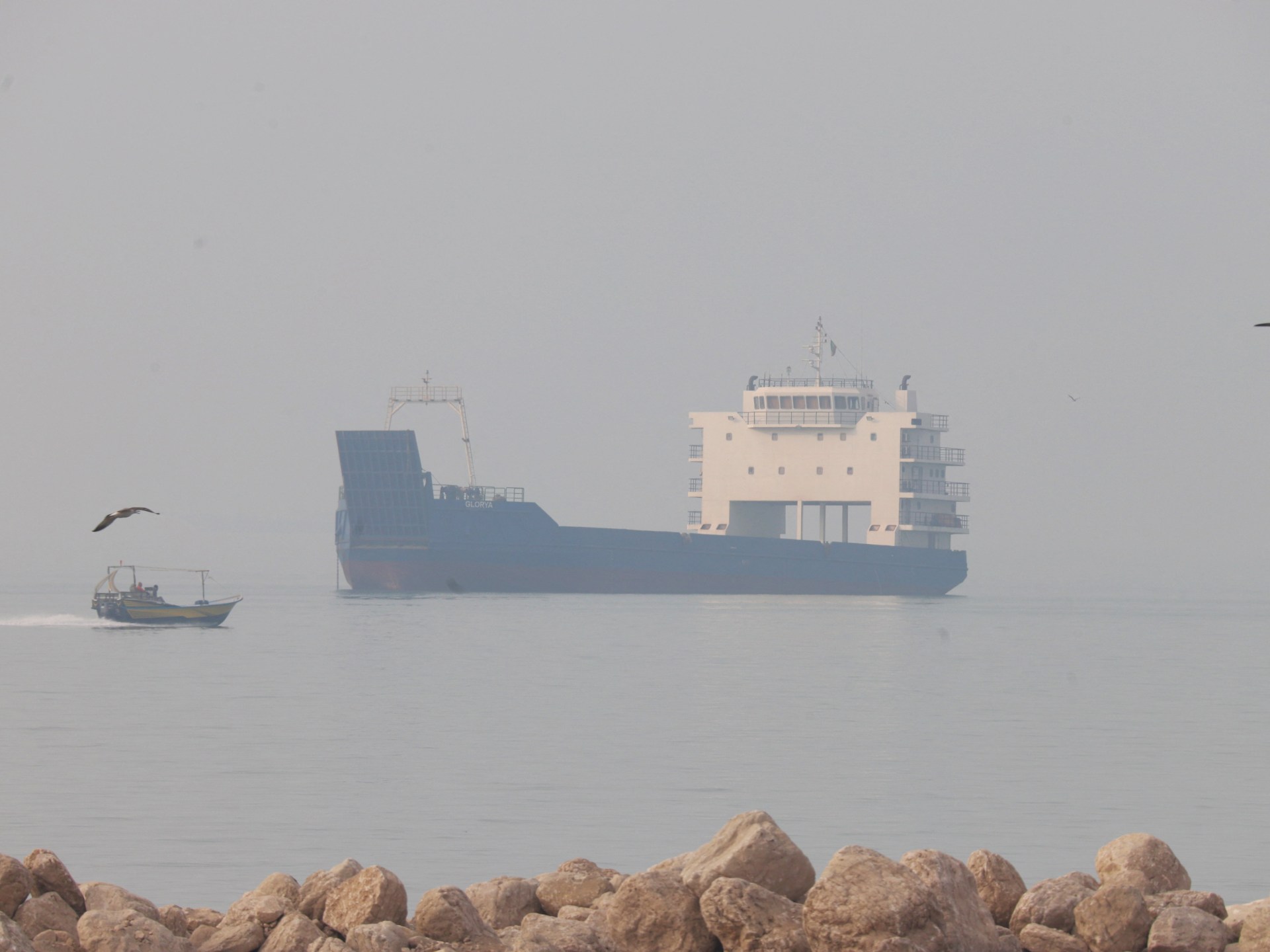
The geopolitical flashpoint surrounding the Strait of Hormuz has entered a severe operational phase, directly impacting the maritime personnel who sustain global energy supply chains. Recent intelligence reports indicate that seasoned tanker captains navigating this narrow chokepoint are now securing base salaries exceeding $100,000, supplemented by an extraordinary $50,000 per-trip bonus. This dramatic escalation in hazard pay underscores the profound dangers facing commercial shipping in the Persian Gulf and the Gulf of Oman as tensions between regional states and Iran intensify.
The strategic stakes in the region have escalated steadily following a series of maritime incidents, military posturing, and stalled diplomatic engagements. The Strait of Hormuz handles roughly a fifth of the world's petroleum consumption, making it one of the most critical geopolitical choke points on earth. State actors and naval forces maintain a constant, tense vigil across these waters, where the margin for error remains perilously thin. The deployment of specialized hazard compensation reflects the grim reality that commercial crews are operating in an active zone of strategic friction, where the threat of asymmetric warfare, vessel interdiction, and kinetic escalation hangs perpetually overhead.
Global Trade & Economic Ripples
The skyrocketing cost of labor for hazardous transits is just one symptom of a broader economic shock rippling through global commodity and energy markets. Shipowners and charterers are absorbing unprecedented operational expenditures, which are systematically being factored into freight rates, maritime insurance premiums, and ultimately, global energy prices. War-risk insurance for vessels entering the Persian Gulf has surged to historic highs, compounding the financial burden on international shipping conglomerates.
Commodity markets have reacted with heightened volatility, pricing in the persistent threat of supply disruptions. Crude oil benchmarks face continuous upward pressure as traders weigh the logistical bottlenecks and the reluctance of maritime operators to enter high-risk zones without substantial financial inducements. Furthermore, ancillary supply chains, including bunkering services, port logistics, and crew rotation hubs across the Middle East, are experiencing structural strain. The broader international trade network is thus forced to navigate a high-cost environment where physical security directly dictates commodity valuation and delivery timelines.
Related Intelligence: Middle East Escalation Threatens Global Supply Chains and Domestic Trade
International Reactions & Diplomatic Stances
International bodies and major trading nations have expressed deep concern over the militarization of vital shipping lanes. The United Nations and maritime safety organizations have issued repeated calls for restraint, urging all regional and extra-regional powers to guarantee the freedom of navigation in accordance with international law. Diplomatic channels remain active, though heavily strained, as capitals in Europe, Asia, and North America attempt to establish multilateral naval deterrents without provoking further escalation with Tehran.
Major energy importers, particularly across Asia and Europe, are closely monitoring the security framework in the Gulf. Industry associations representing global shipowners and maritime labor have stepped up demands for enhanced state-backed security guarantees and transparent communication protocols between naval coalitions and commercial fleets. Analysts suggest that the inability to de-escalate maritime tensions could force governments to contemplate strategic petroleum reserve releases or more aggressive naval escort operations to secure vital trade arteries.
Strategic Outlook & Future Scenarios
Looking ahead, the trajectory of maritime operations in the Strait of Hormuz will depend heavily on the broader diplomatic and military posture of the nations involved. Should regional hostilities persist or expand, hazard compensation for maritime crews is expected to climb further, potentially spreading from senior officers to all ranks of engineering and deck personnel. This structural inflation in operational costs threatens to become a permanent fixture of Middle Eastern shipping.
Upcoming international summits and energy security forums will likely address the vulnerabilities exposed by the ongoing crisis. Sanctions regimes, naval deployment strategies, and contingency planning for alternative overland pipelines will dominate geopolitical agendas. Without a decisive diplomatic breakthrough or a reduction in state-level antagonism, the Strait of Hormuz will remain a high-risk corridor where commercial imperatives are perpetually subordinated to the harsh realities of geopolitical conflict.
Join Our Official WhatsApp Channel
Receive live commodity alerts, policy changes, and commercial intelligence directly on WhatsApp.