
French Student Protests Ripple Through Global Markets and Trade
Renewed student protests across France challenge government authority, creating potential disruptions in European supply chains and commercial markets that resonate internationally.
The Core Development
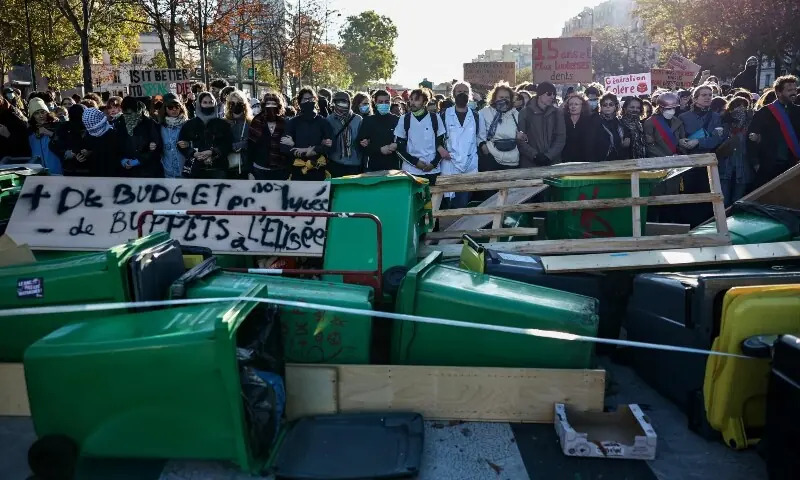
High school students across France are preparing for an intense wave of fresh demonstrations, staging blockades at the entrances of hundreds of educational institutions. Spanning ages 15 to 17, the protesting student bodies have maintained pressure since late September, voicing deep-seated grievances regarding chronic teacher shortages, overburdened academic timetables, dilapidated physical infrastructure, and inadequate climate control systems incapable of managing rising summer temperatures. Despite earnest government interventions and conciliatory statements from education ministry officials designed to defuse the crisis, student union leaders have called for widespread mobilization outside campuses nationwide and throughout the capital city of Paris. The confrontation has drawn heavy security responses, with riot police deployed near key scholastic sites, intensifying social friction across major French urban centers.
Commercial & Economic Implications
While ostensibly rooted in domestic educational reform, widespread civil unrest and institutional paralysis in France carry significant weight for international commerce, wholesale distribution networks, and trade corridors. France remains a linchpin within the European Union economy, and prolonged civil disruption dampens retail activity, consumer confidence, and urban logistics efficiency. For emerging trade partners like Pakistan, disruptions in core European markets can translate into fluctuating demand for imported textile goods, agricultural commodities, and manufactured items. Furthermore, volatility in European industrial output and currency valuations directly influences import-export financing terms, freight rates, and inflationary pressures within domestic supply chains that rely on European machinery and chemical inputs.
Related Intelligence: Judicial Dynamics and Institutional Friction in Pakistan's Superior Courts
Stakeholder Perspectives & Market Reactions
Business federations, trade associations, and labor monitors across Europe have expressed mounting concern over the economic collateral of sustained domestic unrest. While student unions remain defiant, demanding concrete financial commitments from the state to modernize facilities and hire permanent teaching staff, government officials emphasize fiscal constraints and the necessity of maintaining public order. Financial markets have reacted cautiously, monitoring whether civil disobedience might expand into broader labor strikes that historically paralyze French transport and fuel distribution networks. Legal analysts note that prolonged blockades test the limits of public assembly laws and government liability regarding commercial damages incurred during urban disruptions.
Forward Outlook & Key Watchpoints
As student leaders coordinate further actions, market participants and policy analysts are closely tracking several critical indicators over the coming weeks. Key watchpoints include the willingness of the French government to offer substantial budgetary concessions for educational infrastructure, the potential escalation of sympathetic strikes by broader labor unions, and the immediate impact on urban transit and logistics hubs. For international observers and Pakistani trade delegates, maintaining situational awareness of European civil stability remains paramount to mitigating unforeseen trade bottlenecks and currency volatility.
Join Our Official WhatsApp Channel
Receive live commodity alerts, policy changes, and commercial intelligence directly on WhatsApp.