
Tanker Attack in Persian Gulf Escalates Regional Maritime Risks
An oil and chemical tanker was struck by multiple projectiles off Qatar's coast, resulting in casualties and raising immediate concerns for global energy security and maritime trade routes.
Geopolitical & Core Developments
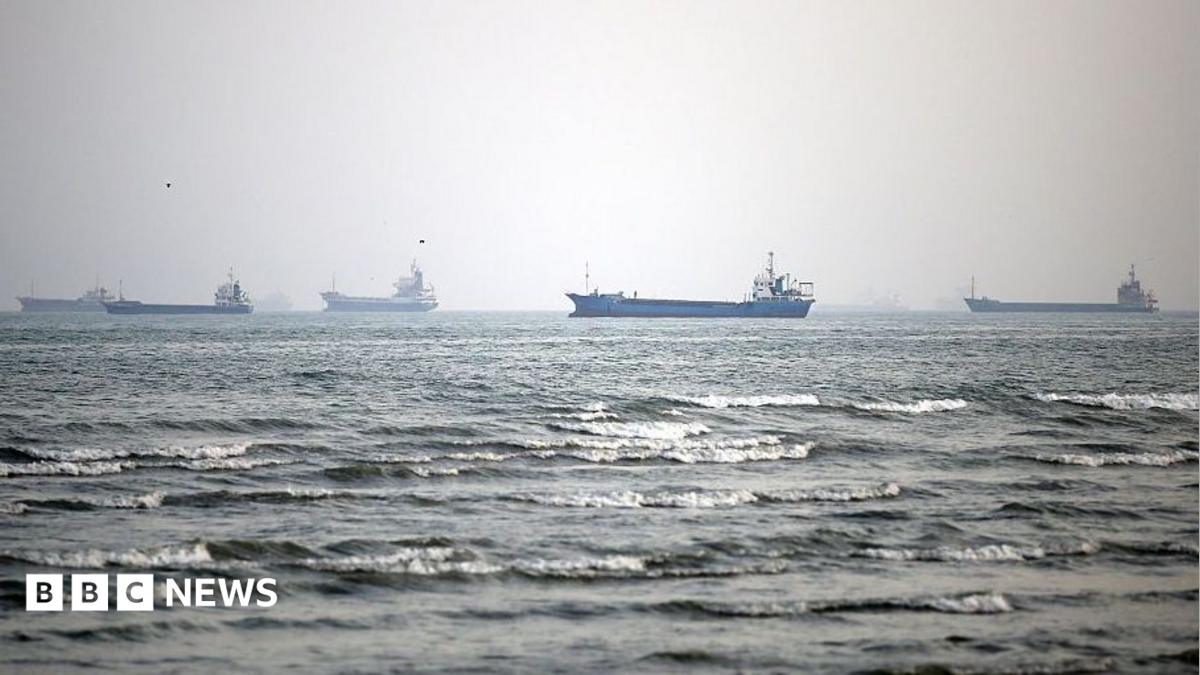
In a concerning escalation of maritime security incidents in the Middle East, the oil and chemical tanker Acers has been struck by multiple projectiles in international waters off the coast of Qatar. According to reports from maritime intelligence firms and regional security agencies, the vessel sustained significant structural damage during the attack, with multiple casualties confirmed among the crew. While formal attribution of the strike remains under active investigation by international naval coalitions, the incident underscores the severe vulnerability of commercial shipping operating within the Persian Gulf and adjacent vital waterways.
The strike occurred amid heightened regional tensions involving state and non-state actors operating across the wider Gulf corridor. The Persian Gulf, along with the Strait of Hormuz, represents a central artery for global commerce, handling a substantial share of the world's petroleum and chemical exports. The targeting of a commercial vessel within Qatari territorial waters or its immediate approaches marks a worrying expansion of the geographical scope of maritime disruptions, prompting immediate deployment of regional emergency response vessels and naval escorts to secure the area and render assistance to the stricken tanker.
Global Trade & Economic Ripples
The attack on the Acers immediately reverberated through global commodity and energy markets, triggering a swift recalibration of risk premiums for crude oil, refined products, and specialty chemicals. Tanker charter rates for the Middle East benchmark routes experienced upward pressure as shipowners and operators reassessed the safety of transiting the Persian Gulf. Insurance underwriters are expected to raise war-risk surcharges significantly for vessels operating in the region, a development that will directly inflate logistics and operational costs for international traders.
Energy markets reacted to the news with heightened volatility, as traders weighed the potential for prolonged supply chain disruptions in one of the world's most critical hydrocarbon export zones. Although physical flows have not yet faced a total blockade, the psychological impact on market sentiment is profound. Any sustained threat to shipping lanes in the Gulf threatens to disrupt Just-In-Time supply chains for refined products and petrochemicals, ultimately feeding into broader inflationary pressures across importing economies in Asia, Europe, and the Americas.
Related Intelligence: French Student Protests Ripple Through Global Markets and Trade
International Reactions & Diplomatic Stances
In the wake of the incident, international organizations, maritime authorities, and national governments have issued statements expressing deep concern over the safety of navigation and the protection of seafarers. The International Maritime Organization (IMO) reiterated its call for absolute restraint and the safeguarding of commercial shipping in accordance with international law. Regional governments have mobilized diplomatic channels to share intelligence and coordinate maritime domain awareness to prevent further escalation.
Energy market analysts and geopolitical risk consultancies have cautioned that the attack highlights the urgent need for enhanced multilateral security frameworks in the Gulf. Major importing nations, heavily reliant on uninterrupted energy supplies from the region, are closely monitoring developments through diplomatic and defense channels. Calls are mounting for reinforced naval patrols and improved communication protocols between commercial vessels and coalition forces operating in the theater to deter future aggressions.
Strategic Outlook & Future Scenarios
Looking ahead, the incident involving the Acers is likely to shape upcoming diplomatic engagements and security summits focused on Middle Eastern stability. Governments and shipping associations are expected to update threat assessments and advisories for commercial vessels navigating the Persian Gulf, the Gulf of Oman, and the Red Sea corridor. If security conditions deteriorate further, major shipping lines may implement rerouting strategies or demand enhanced naval protection, leading to extended transit times and higher freight rates.
Ultimately, the trajectory of regional maritime security will depend on diplomatic efforts to de-escalate underlying tensions and enforce international norms protecting civilian commerce. Failure to establish robust deterrence against attacks on commercial shipping risks institutionalizing a permanent risk premium in global energy markets, altering trade flows and challenging the resilience of international supply chains for the foreseeable future.
Join Our Official WhatsApp Channel
Receive live commodity alerts, policy changes, and commercial intelligence directly on WhatsApp.