
Sovereign Capital and Sports Governance Clash Amid Manchester City Legal Scrutiny
Manchester City's sustained sporting performance unfolds against escalating regulatory friction over financial transparency, testing foreign direct investment frameworks and sovereign wealth governance across European sports markets.
Geopolitical & Core Developments
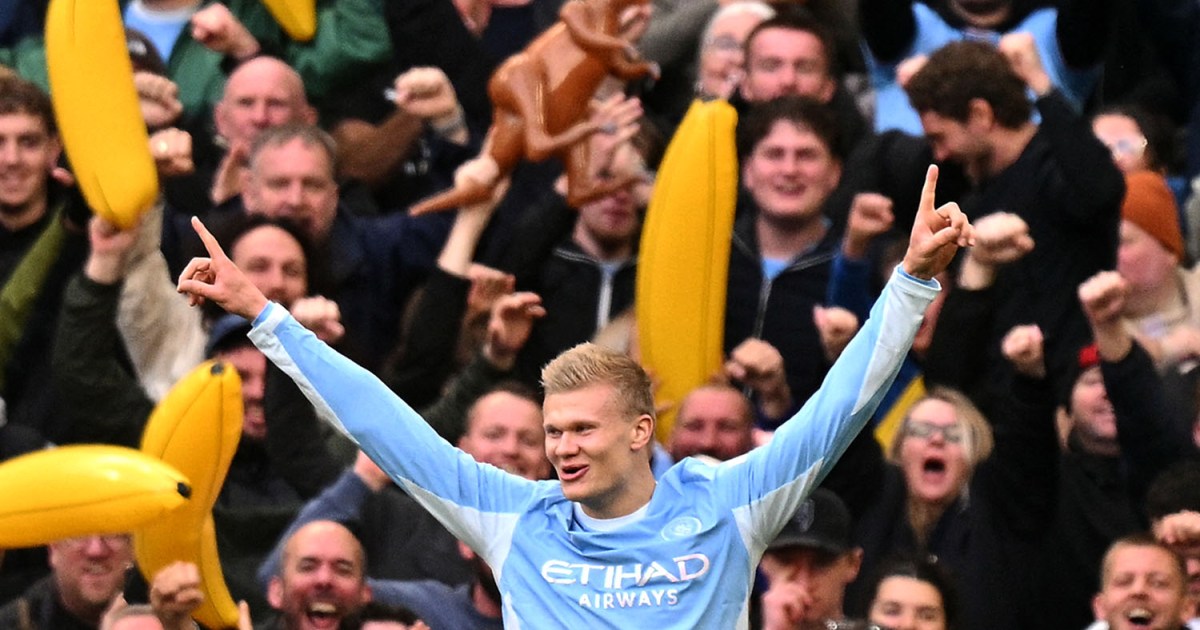
The convergence of sovereign capital, international soft power strategies, and domestic regulatory governance has returned to the forefront following Manchester City’s continued domestic dominance set against persistent regulatory disputes. Owned primarily by the Abu Dhabi United Group, the English club has established unparalleled competitive supremacy, personified by the record-setting offensive performance of Erling Haaland. However, this sporting achievement unfolds in parallel with a protracted legal and regulatory confrontation with the Premier League regarding alleged historic infractions of financial sustainability and disclosure rules.
The strategic stakes extend significantly beyond athletic accolades. For over a decade, sovereign wealth from the Gulf region has been systematically deployed into premier European athletic franchises. These investments operate simultaneously as high-yield commercial diversifications and strategic instruments of cultural diplomacy, nation-branding, and geopolitical influence. The current regulatory scrutiny represents a fundamental stress test of how Western regulatory bodies enforce domestic governance over transnational institutional capital backed by foreign state entities.
[Global Trade](/news/us-political-realignment-shifts-global-trade-diplomatic-calculus) & Economic Ripples
While localized to sports governance, the institutional scrutiny surrounding elite sports investments creates tangible ripples across commercial and financial corridors. The European sports and entertainment sector represents a multi-billion-dollar asset class, underpinning significant broadcasting rights syndications, multinational sponsorship consortia, and institutional private equity positions. Uncertainty regarding regulatory enforcement, financial penalties, or structural sanctions directly affects debt covenants, valuation multiples, and future capital deployment across continental sports assets.
Moreover, the sustained deployment of capital from the United Arab Emirates and broader Gulf Cooperation Council (GCC) sovereign wealth funds represents a critical component of outbound bilateral investment into the United Kingdom. Cross-border liquidity flows targeting sports, urban infrastructure, real estate redevelopment, and transition energy projects are frequently interlinked within overarching diplomatic frameworks. Stringent punitive actions or systemic regulatory divergence risk dampening institutional capital allocation into non-energy Western assets, forcing sovereign capital allocators to reassess risk premiums and explore alternative markets across Asia and Latin America.
Related Intelligence: Middle East Tensions Rise as Helicopter Crash Strains Red Sea Security
International Reactions & Diplomatic Stances
Multilateral bodies, European sports oversight mechanisms, and institutional market observers have maintained a close watch on the unfolding dispute. Independent regulatory watchdogs across the European Union and the United Kingdom have increasingly called for autonomous statutory oversight of football finance, arguing that self-regulating sporting federations possess structural conflicts of interest when adjudicating entities financed by allied foreign powers.
Legal and financial analysts emphasize that the evidentiary thresholds and jurisdictional scope applied to this proceeding will establish binding precedents for international corporate governance. Foreign direct investment analysts in London and the Middle East observe that diplomatic channels have historically prioritized cross-border stability, leaving sports authorities to navigate the delicate boundary between procedural rigor and the broader bilateral economic partnership between Whitehall and the Gulf monarchies.
Strategic Outlook & Future Scenarios
Looking ahead, the resolution of Manchester City’s regulatory review is poised to define the future architecture of international sports financing and sovereign asset ownership. Should full culpability and consequential penalties materialize, international capital markets will likely see a recalibration of how cross-border sponsorship agreements, shareholder equity injections, and multi-club ownership models are structured globally.
Conversely, an outcome perceived as structurally lenient could catalyze the implementation of independent, state-run statutory sports regulators equipped with expansive investigative mandates. As Gulf sovereign funds accelerate long-term diversification strategies under national transformation agendas such as UAE Vision 2031 and Saudi Vision 2030, institutional investors will demand formalized, predictable regulatory environments to protect high-profile global acquisitions from retrospective legal and operational exposure.
Join Our Official WhatsApp Channel
Receive live commodity alerts, policy changes, and commercial intelligence directly on WhatsApp.