
South Korea Maritime Rescue Highlights Rising East Asian Marine Ecology Concerns
South Korean marine authorities launched a third attempt to guide a stranded three-meter shark into deep waters, highlighting broader oceanic shifts impacting East Asian coastal trade and marine policy.
Geopolitical & Core Developments
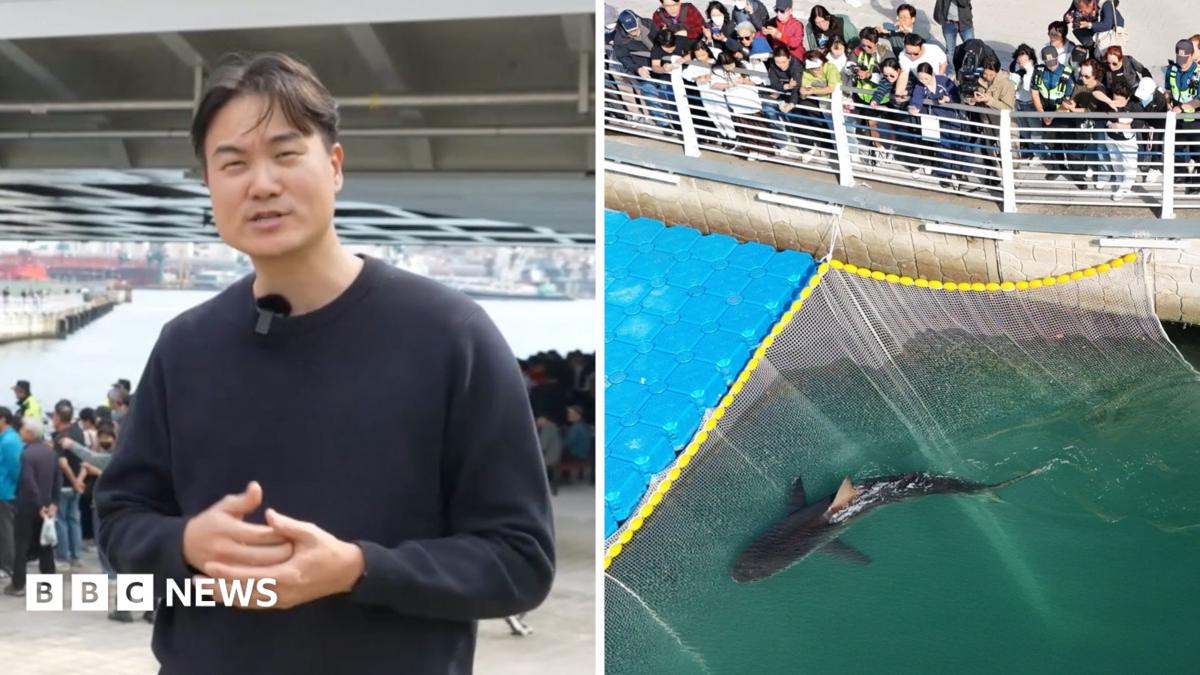
South Korean maritime authorities and conservation specialists have mounted a third consecutive rescue operation to escort a stranded three-meter (9ft 10in) pelagic shark back into deep waters off the nation's southern coastline. The recurring strandings have drawn high-level attention from South Korea's Ministry of Oceans and Fisheries, coast guard divisions, and specialized aquatic research bodies. Over the past 72 hours, coordinated maritime response units deployed specialized floating barriers, acoustic deterrents, and oceanographic vessels to guide the displaced predator beyond shallow tidal zones and busy coastal navigation belts.
While localized marine strandings are conventionally treated as domestic environmental occurrences, the frequency of megafauna appearing in nearshore East Asian waters has escalated into an issue of regional scientific and diplomatic interest. Oceanographers operating under bilateral East China Sea and Yellow Sea research accords have flagged changing migratory patterns driven by rising sea surface temperatures, altered thermal corridors, and intensifying commercial maritime traffic. The incident highlights the complex task facing coastal nations as they balance critical navigation corridors, artisanal fisheries, and growing ecological stewardship mandates.
[Global Trade](/news/us-midterm-elections-geopolitical-impact-global-trade) & Economic Ripples
Although the immediate rescue operation poses limited direct disruption to primary industrial shipping corridors, the underlying structural drivers of such marine displacement carry tangible economic consequences for regional maritime operations. The waters surrounding the Korean Peninsula represent one of the densest commercial maritime ecosystems globally, facilitating major bulk carrier, container, and tanker routes linking South Korea, China, and Japan to global supply chains.
Escalating shifts in pelagic species distribution are compelling port authorities and national maritime directorates to implement stricter navigational controls, acoustic limits, and localized speed restrictions along nearshore shipping channels. For coastal commercial fisheries, anomalous apex predator movements signal broader trophic disruptions, directly impacting pelagic fish harvests, coastal aquaculture yield projections, and regional seafood pricing across East Asian commodity bourses. Additionally, regional marine liability insurers are closely monitoring environmental protection compliance, as accidental strikes on protected marine megafauna risk regulatory fines and operational delays for commercial vessels navigating congested straits.
Related Intelligence: US Midterm Stakes Reshape Geopolitical Outlook and Global Trade Trajectory
International Reactions & Diplomatic Stances
Regional ocean governance bodies and international conservation consortiums have utilized the event to urge enhanced multilateral cooperation. Analysts at the Northwest Pacific Action Plan (NOWPAP), a regional seas initiative established under the United Nations Environment Programme (UNEP), reiterated the need for standardized cross-border data-sharing mechanisms regarding shifting marine biodiversity patterns in the Yellow Sea and East China Sea.
A spokesperson from South Korea's National Institute of Fisheries Science emphasized that mitigating recurring strandings requires comprehensive oceanic monitoring: 'The sustained presence of pelagic species in coastal shallow waters is an operational indicator of systemic habitat variations across East Asian shelf seas, necessitating integrated maritime surveillance.' Meanwhile, representatives from regional shipping associations have petitioned maritime regulators to ensure that any prospective safety and ecological transit zones maintain predictable, harmonized guidelines to avoid arbitrary route diversions.
Strategic Outlook & Future Scenarios
Moving forward, the operational footprint of coastal rescue logistics in East Asia will increasingly intersect with broader international ocean conservation frameworks, including the UN High Seas Treaty (BBNJ Agreement) currently undergoing national ratification processes worldwide. South Korea is expected to formally propose enhanced joint marine monitoring protocols at upcoming trilateral maritime consultations with Japan and China.
In the near to medium term, commercial maritime operators and fisheries must prepare for augmented regulatory oversight within coastal exclusion zones. The deployment of autonomous marine monitoring buoys, mandatory acoustic tracking devices for commercial vessels, and dynamic routing protocols will likely become standard operating requirements across East Asian economic zones. If anomalous maritime wildlife events continue to accelerate, national governments will face mounting pressure to institutionalize rapid-response oceanic corridors, requiring heightened coordination between commercial logistics networks, environmental regulators, and defense coast guards.
Join Our Official WhatsApp Channel
Receive live commodity alerts, policy changes, and commercial intelligence directly on WhatsApp.