
South Korea Exports Surge to Record High on Ferocious Semiconductor Demand
South Korea's exports jumped 83.5 percent to top $120bn for the first time, driven by ferocious global demand for artificial intelligence hardware.
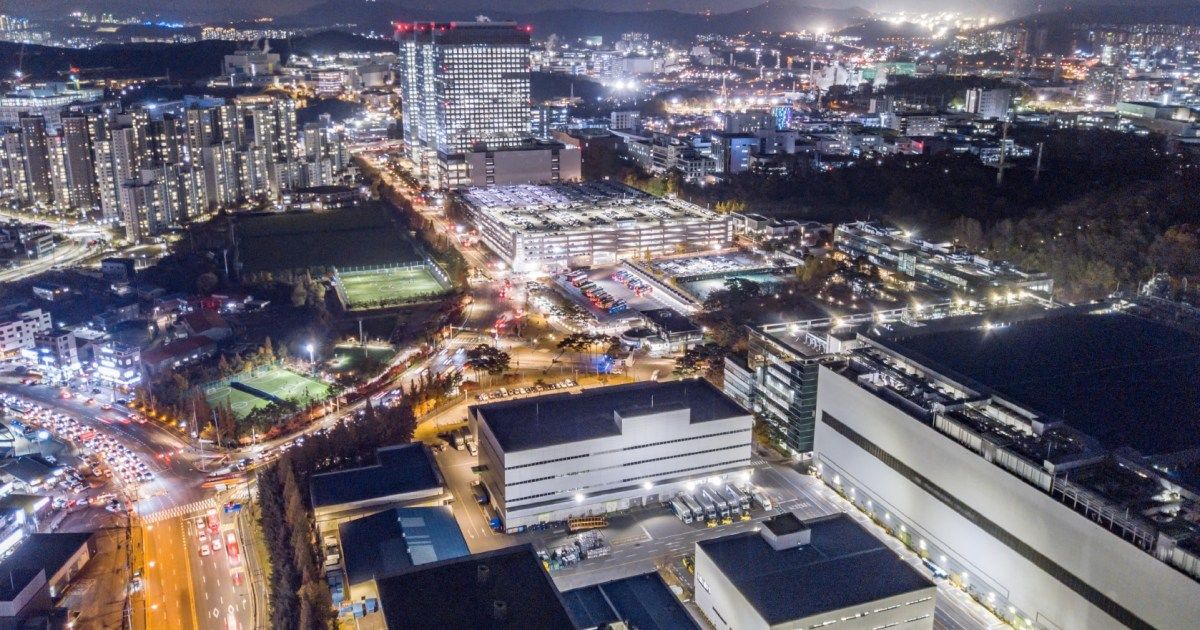
Geopolitical & Core Developments
South Korea has achieved a historic economic milestone as national exports surged by 83.5 percent, breaching the historic $120 billion threshold for a single reporting period. This extraordinary expansion is primarily propelled by a ferocious global upswing in semiconductor demand, heavily anchored in the relentless global build-out of artificial intelligence infrastructure. As advanced microprocessors, high-bandwidth memory chips, and specialized logic units become the foundational geopolitical currency of the twenty-first century, Seoul has solidified its indispensable role at the center of the high-tech manufacturing nexus.
State actors and major conglomerates, including memory giants Samsung Electronics and SK Hynix, have operated at maximum capacity to satisfy orders from Western and Asian technology titans. This industrial surge transcends a mere commercial triumph; it represents a major strategic asset for Seoul. In an era where technological supremacy dictates geopolitical alignment, South Korea’s manufacturing dominance acts as a powerful diplomatic anchor, reinforcing its alliances with Washington, Tokyo, and European partners while navigating delicate economic dependencies with Beijing.
Global Trade & Economic Ripples
The reverberations of South Korea's export surge extend far beyond the Korean Peninsula, sending powerful shockwaves through global supply chains, commodity markets, and international shipping lanes. The immense manufacturing output requires a steady, high-volume influx of raw materials, including rare earth elements, silicon wafers, and specialized industrial gases. Consequently, dry-bulk and container shipping lanes connecting East Asian ports to global hubs have experienced heightened activity and localized congestion.
Furthermore, the insatiable energy demands of advanced fabrication plants have intensified scrutiny over regional power grids and liquefied natural gas procurement. As semiconductor fabrication units consume vast amounts of electricity, energy commodity markets have reacted to sustained industrial loads. Currency markets have also registered the impact, with the South Korean won finding underlying support despite broader regional economic headwinds, while international competitors recalibrate their own trade policies to counter Seoul's widening technological lead.
Related Intelligence: US Measles Surge Triggers Health Security and Economic Alarm
International Reactions & Diplomatic Stances
Global financial institutions, multilateral bodies, and foreign ministries have closely monitored South Korea's economic indicators as a bellwether for the broader post-industrial recovery. Trade analysts at major investment banks have revised their global growth forecasts upward for the technology sector, noting that the demand curve for artificial intelligence hardware shows no immediate signs of flattening.
Meanwhile, trade diplomats in Washington and Brussels view Seoul's manufacturing dominance through the lens of economic security and supply chain resilience. While welcoming the technological advancements that power Western enterprise, policymakers continue to press for deeper domestic manufacturing capacities to mitigate single-point-of-failure risks. In international forums, trade representatives have debated the regulatory frameworks necessary to govern cross-border data flows and the export controls associated with cutting-edge microelectronics.
Strategic Outlook & Future Scenarios
Looking ahead, the trajectory of South Korea's export economy will remain tightly coupled with the pace of global artificial intelligence deployment and macroeconomic stability in key consumer markets. Upcoming international technology summits and bilateral trade negotiations will likely focus on securing long-term access to critical mineral supply chains and safeguarding intellectual property against rising geopolitical tensions.
Potential risks on the horizon include escalating trade restrictions, energy price volatility, and potential overcapacity if global demand cools abruptly. However, for the immediate future, South Korea's technological edge positions it advantageously to weather external shocks, cementing its status as an indispensable pillar of the modern global economy.
Join Our Official WhatsApp Channel
Receive live commodity alerts, policy changes, and commercial intelligence directly on WhatsApp.