
South Asian Floods Threaten Regional Trade and Supply Chains
Severe floods and landslides across northern India and Nepal have killed 68 people, triggering widespread supply chain disruptions and raising economic concerns across South Asia.
The Core Development
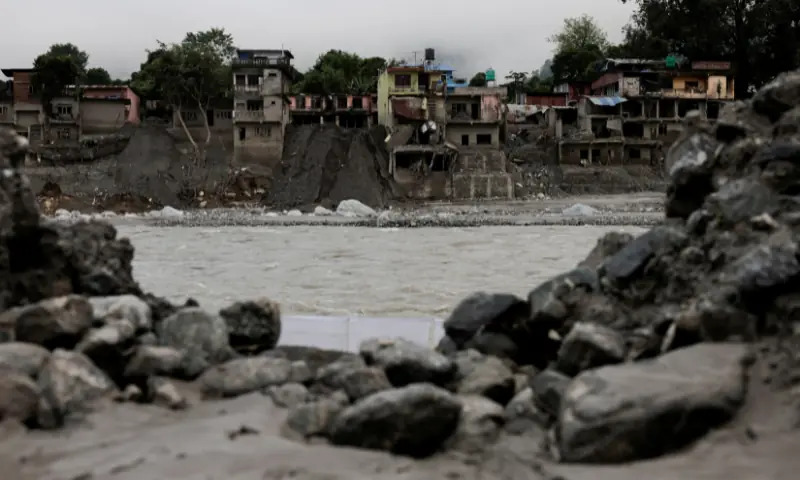
Heavy and unrelenting monsoon rainfall has triggered catastrophic floods and devastating landslides across northern India and neighboring Nepal, resulting in a death toll of at least 68 people over a brutal three-day period, disaster management authorities confirmed on Sunday. The humanitarian crisis has overwhelmed local administration infrastructure in some of the most densely populated regions of the subcontinent.
In India's most populous state, Uttar Pradesh, the relief commissioner's office reported a staggering 56 fatalities within the past 72 hours. The deluge has inflicted severe infrastructural damage, leaving more than 1,000 residential structures either partially or completely destroyed. Key arterial roads have been submerged or blocked by mudslides, paralyzing transit corridors connecting rural production centers to major urban hubs.
Meanwhile, neighbouring Nepal is reeling from a fresh wave of weather-induced disasters starting Thursday, compounding the trauma of the catastrophic August 26 floods earlier this season. Shanti Mahat, spokesperson for Nepal's national disaster authority, confirmed that 12 individuals have perished in rain-related incidents, while seven others remain unaccounted for as rescue teams struggle to reach isolated mountain communities.
Commercial & Economic Implications
For businesses and financial analysts at Kalyar Traders monitoring regional macroeconomic stability, these extreme weather events carry significant commercial implications. Northern India serves as a critical agricultural and manufacturing hinterland. The widespread inundation of farmlands in Uttar Pradesh threatens standing seasonal crops, which could create localized supply shortages and exert upward pressure on regional food prices.
While direct trade routes between Pakistan and India remain heavily restricted due to geopolitical factors, broader South Asian agricultural shortfalls frequently influence international commodity pricing benchmarks, fertilizer markets, and regional export-import dynamics. Higher food inflation in neighboring economies often spills over through global commodity indices, affecting input costs for agro-based industries, domestic retail pricing structures, and consumer purchasing power across Pakistan.
Furthermore, supply chain integrity across the Indo-Gangetic plain is vital for regional logistics. Prolonged blockades of surface transport networks delay industrial raw material distribution and escalate freight insurance premiums, directly impacting wholesale margins and corporate bottom lines.
Related Intelligence: Security Crisis at UK Airbase Threatens Global Trade Routes
Stakeholder Perspectives & Market Reactions
Economic analysts and commodity traders have expressed growing apprehension regarding the increasing frequency of climate-driven shocks. Agricultural associations in South Asia have repeatedly warned that extreme weather volatility undermines long-term food security and disrupts scheduled harvest cycles, making financial forecasting increasingly difficult for institutional investors.
Legal and regulatory experts point to the urgent need for climate-resilient infrastructure investments across South Asian economies. Representatives from chambers of commerce emphasize that public-private partnerships must prioritize supply chain hardening to mitigate the recurring economic damages inflicted by monsoon anomalies. Public response has centered on demands for accelerated relief disbursement and comprehensive crop insurance schemes to protect vulnerable farming communities.
Forward Outlook & Key Watchpoints
As meteorological departments forecast continued rainfall across the Himalayan foothills and Gangetic plains, the immediate focus remains on search, rescue, and humanitarian relief operations. However, financial markets and corporate strategists must monitor several key indicators over the coming weeks.
Primary watchpoints include official damage assessments from agricultural ministries, the trajectory of wholesale price indices for essential commodities, and the operational status of regional transport corridors. If weather patterns persist, policymakers may face mounting pressure to intervene with monetary and fiscal measures to stabilize food prices and support affected supply chains, setting a critical precedent for regional economic resilience in an era of accelerating climate change.
Join Our Official WhatsApp Channel
Receive live commodity alerts, policy changes, and commercial intelligence directly on WhatsApp.