
Pakistan Rejects Afghan Taliban Allegations Amid Border Tensions
Pakistan firmly rejected unfounded allegations from Afghan Taliban authorities concerning Nuristan, as diplomatic friction threatens critical cross-border trade corridors and regional supply chains.
The Core Development
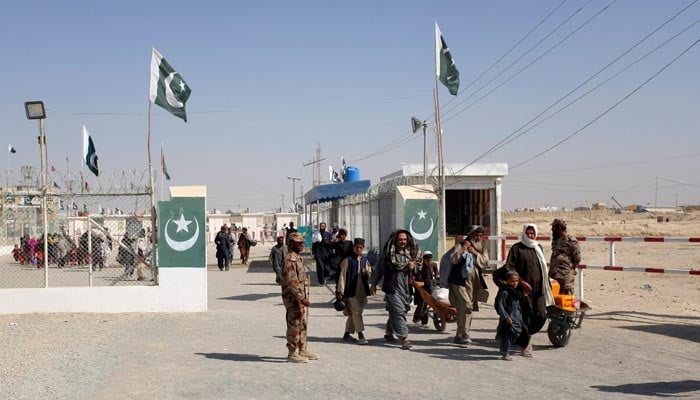
Pakistan has issued a categorical rejection of recent frivolous and baseless allegations leveled by Afghan Taliban authorities concerning the Nuristan region. Islamabad termed the claims entirely unwarranted, emphasizing that security protocols along the international border remain defensive and aimed solely at preventing illegal infiltration and cross-border militancy. The diplomatic exchange highlights ongoing friction between the two neighboring states, where historical border disputes and security management continue to strain bilateral relations. Officials in Islamabad reiterated that Pakistan has consistently exercised restraint while prioritizing border stability, security cooperation, and regional peace.
Commercial & Economic Implications
Beyond the geopolitical dimensions, escalating diplomatic tensions carry immediate repercussions for bilateral trade, wholesale distribution, and retail markets within Pakistan, particularly in Khyber Pakhtunkhwa and Balochistan. Cross-border commerce, including the transit of fresh produce, textiles, and essential commodities via key crossings such as Torkham and Chaman, remains vulnerable to abrupt closures and heightened security checks. These periodic disruptions directly impact supply chain velocity, leading to inventory bottlenecks, localized price volatility, and inflationary pressures on imported raw materials and agricultural goods. Wholesale traders and retail distributors handling cross-border consignments face mounting financial risks, compressed profit margins, and logistical delays that ultimately burden the Pakistani consumer.
Related Intelligence: West Bank Escalation Deepens Humanitarian Crisis and Regional Economic Strain
Stakeholder Perspectives & Market Reactions
Business and trade bodies operating along the western frontier have expressed deep concern over the persistent instability in diplomatic and security relations. Representatives from various chambers of commerce and industry associations have underscored that predictable borders are indispensable for sustaining commercial viability and attracting investment in border regions. Legal and trade experts note that prolonged friction discourages formal documentation of trade, inadvertently driving commercial activity into informal and unregulated channels. Official statements from business councils urge both governments to insulate economic corridors and commercial transit agreements from political disputes, emphasizing that mutual trade is vital for the economic survival of communities on both sides of the frontier.
Forward Outlook & Key Watchpoints
As diplomatic channels remain engaged to defuse tensions, market participants and economic analysts are closely monitoring several key indicators. Critical watchpoints include the operational status of major border terminals, bilateral ministerial engagements, and potential adjustments to customs and transit protocols. If diplomatic engagement yields a robust framework for border management, commercial traffic is expected to normalize, stabilizing wholesale prices and retail supply chains. Conversely, prolonged discord risks further tightening of trade restrictions, necessitating proactive contingency planning by commercial enterprises dependent on regional supply routes.
Join Our Official WhatsApp Channel
Receive live commodity alerts, policy changes, and commercial intelligence directly on WhatsApp.