
South African Refugee Crisis Intensifies Ahead of September Deadline
Vulnerable refugees in Durban confront severe displacement risks as an impending September deadline threatens renewed xenophobic violence and destabilizes local economic corridors.
Geopolitical & Core Developments
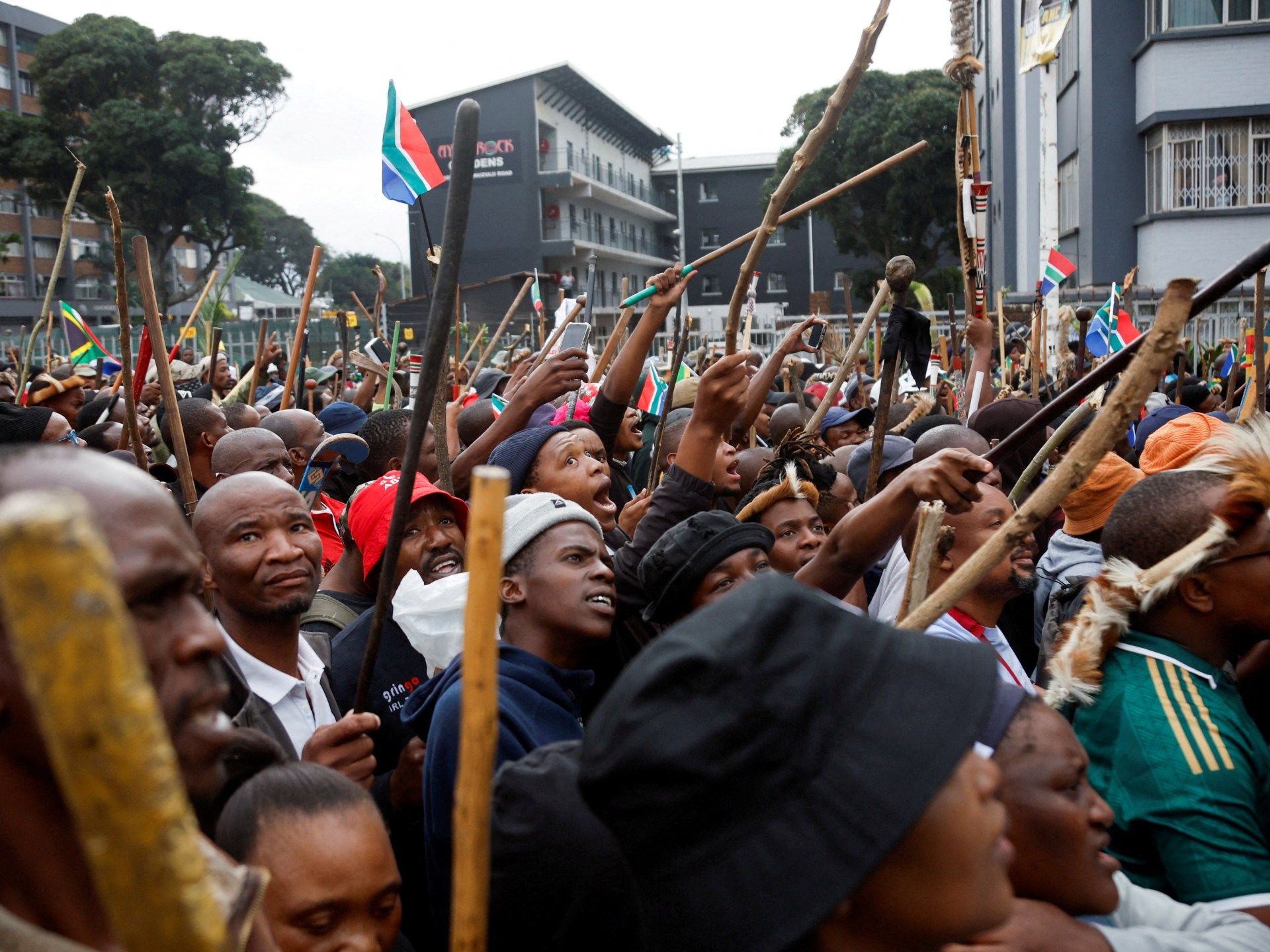
The humanitarian situation in South Africa's port city of Durban has reached a critical juncture as an impending September 30 deadline brings mounting anxiety to displaced foreign nationals. Refugees and asylum seekers, already displaced from previous bouts of xenophobic violence, report having no safe alternatives for return or relocation. The makeshift settlements, established following earlier expulsions and civil disturbances, have become focal points for localized socio-economic friction. State actors and municipal authorities face intense scrutiny over their capacity to manage population movements while upholding human rights obligations under international law. The structural tensions highlight broader governance challenges within South Africa's urban centers, where resource scarcity, high unemployment, and infrastructural deficits frequently manifest as hostility toward migrant communities. Diplomatic missions from neighboring Southern African Development Community nations are closely monitoring the situation, fearful that forced evictions could spark wider regional displacement waves and strain bilateral relations across the continent.
[Global Trade](/news/yemeni-frontline-escalation-threatens-global-trade-corridors) & Economic Ripples
While the humanitarian crisis centers on human security, the secondary economic implications for South Africa's commercial hubs are significant. Durban serves as the primary maritime gateway for the African continent's southernmost economies, handling vital containerized cargo and bulk commodities destined for regional landlocked markets. Any escalation of civil unrest, targeted protests, or municipal blockades directly threatens supply chain continuity, freight forwarding schedules, and warehousing operations within the port precinct. International logistics operators and commodity traders maintain heightened risk assessments for South African infrastructure assets. Furthermore, persistent domestic instability undermines foreign direct investment sentiment, impacting currency valuations such as the South African rand. Global commodity markets observing South African mineral exports—particularly platinum group metals and coal—remain sensitive to any domestic disruptions that could constrain regional transport corridors or compromise labor productivity.
Related Intelligence: Yemeni Frontline Escalation Threatens Global Trade Corridors
International Reactions & Diplomatic Stances
International organizations and human rights monitors have expressed profound alarm over the impending September 30 deadline. The United Nations High Commissioner for Refugees has repeatedly urged Pretoria to guarantee non-refoulement principles and ensure that any relocation initiatives adhere strictly to voluntary, safe, and dignified standards. Human rights NGOs have criticized local municipal authorities for failing to provide viable integration pathways or robust protection mechanisms against recurrent xenophobic attacks. Meanwhile, foreign ministries from key African trading partners have engaged in behind-the-scenes diplomatic consultations to safeguard the welfare of their diaspora populations. Market analysts note that international pressure regarding human rights compliance poses reputational risks for South Africa's standing in multilateral forums, potentially complicating broader trade negotiations and preferential market access agreements with Western and Asian economic partners.
Strategic Outlook & Future Scenarios
The trajectory of the Durban refugee crisis hinges on the capacity of South African federal and municipal authorities to implement peaceful, orderly mediation before the September 30 cutoff. Failure to establish secure transitional housing or sustainable integration programs risks triggering widespread civil unrest reminiscent of past anti-immigrant pogroms. Such escalation points would severely test law enforcement readiness and damage the nation's investment grade outlook. Conversely, a coordinated humanitarian intervention backed by civil society engagement could de-escalate tensions and set a positive precedent for managing urban migration pressures across emerging economies. Upcoming regional policy summits will likely address the broader structural drivers of migration in Southern Africa, emphasizing the urgent need for robust regional economic development and inclusive governance frameworks to prevent future humanitarian crises.
Join Our Official WhatsApp Channel
Receive live commodity alerts, policy changes, and commercial intelligence directly on WhatsApp.