
Irish Goalkeeper Gavin Bazunu Boycotts Israel Match Over Humanitarian Crisis
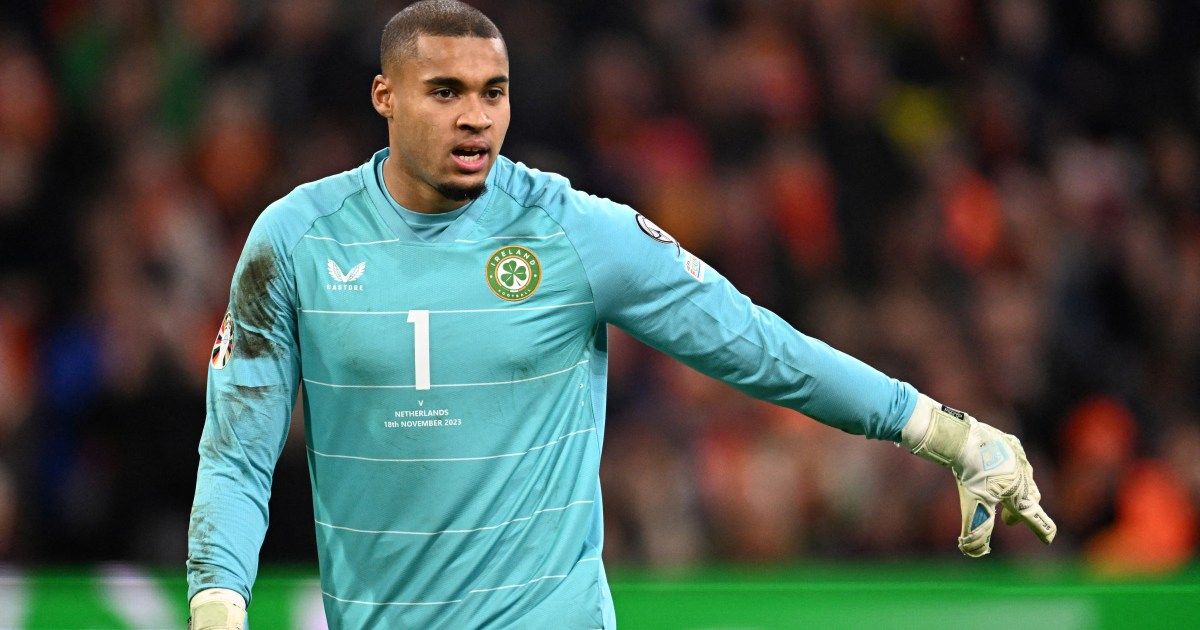
Republic of Ireland goalkeeper Gavin Bazunu has withdrawn from an upcoming international fixture against Israel, citing profound moral objections to civilian casualties in the ongoing Middle East conflict.
Geopolitical & Core Developments
The decision by Republic of Ireland international goalkeeper Gavin Bazunu to withdraw from the national squad's fixture against Israel has thrust international sports administration directly into the complex arena of Middle Eastern geopolitics. Bazunu formally communicated his unavailability to the Football Association of Ireland (FAI), grounding his decision in a steadfast personal conviction that the ongoing loss of innocent civilian lives is indefensible. This high-profile withdrawal transcends standard athletic absenteeism, transforming a routine sporting fixture into a focal point for ethical debates surrounding state military actions, international humanitarian law, and the responsibilities of public figures.
The boycott reflects a broader trend where athletes increasingly leverage their platforms to register dissent against state-sponsored military campaigns. As diplomatic channels struggle to secure lasting ceasefires in the region, cultural and athletic boycotts have re-emerged as potent tools of public diplomacy and moral pressure. The FAI now faces delicate administrative challenges in managing squad selection, public relations, and stakeholder expectations while maintaining neutrality as a sporting body governed by international confederation guidelines.
[Global Trade](/news/swiss-neutrality-referendum-tests-global-trade-and-financial-stability) & Economic Ripples
While sporting boycotts rarely exert direct pressure on commodity exchanges or major shipping lanes, they serve as sensitive barometers of shifting consumer sentiment and corporate risk aversion in international markets. Multinational corporations, including major sponsors of international football federations, monitor these cultural friction points closely to protect brand equity and avoid association with polarizing geopolitical controversies. Consumer boycotts and activist campaigns targeting corporate sponsors can introduce volatility into commercial partnerships, affecting brand valuations and marketing expenditures across European and Middle Eastern markets.
Furthermore, heightened geopolitical tensions and visible civic protests impact international travel, tourism, and hospitality sectors linked to major sporting events. As athletes take definitive moral stances, corporate boards must recalibrate their risk management strategies to account for the increasing politicization of global entertainment and athletic platforms, ensuring operational resilience against sudden reputational shocks.
Related Intelligence: West Bank Escalation Threatens Middle East Stability and Global Supply Chains
International Reactions & Diplomatic Stances
Reactions to Bazunu's withdrawal have divided opinion across political, athletic, and diplomatic spheres. Civil society organizations and human rights advocates have lauded the goalkeeper's moral clarity, framing the boycott as a necessary and courageous act of solidarity with civilian populations affected by conflict. Conversely, sports administrators and diplomatic representatives from aligned nations often express concern over the politicization of athletics, arguing that international fixtures should remain insulated from geopolitical disputes to preserve channels of cross-cultural dialogue.
International bodies, including governing football confederations, frequently walk a tightrope between upholding freedom of conscience for individual athletes and enforcing mandates against political interference in sports. Official statements from governmental ministries reflect the broader polarization characterizing international discourse surrounding the Middle East crisis, where domestic public opinion frequently diverges from official foreign policy postures.
Strategic Outlook & Future Scenarios
Looking ahead, Bazunu's decision may establish a significant precedent for other professional athletes contemplating similar protests ahead of international fixtures involving nations embroiled in armed conflict. Sports federations globally are expected to review their internal policies regarding player withdrawals and political expression to preempt potential disruptions to tournament schedules and broadcast agreements.
As geopolitical flashpoints persist, the intersection of athletics, commerce, and international diplomacy will likely intensify. Upcoming international sports summits and confederation congresses will face renewed pressure to clarify guidelines governing athlete activism, ensuring that global sporting events can navigate increasingly fraught geopolitical landscapes without compromising their foundational values of inclusivity and fair play.
Join Our Official WhatsApp Channel
Receive live commodity alerts, policy changes, and commercial intelligence directly on WhatsApp.