
Shehbaz Sharif Urges Global Action on Climate and Debt at UNGA
Prime Minister Shehbaz Sharif leveraged the UNGA platform to demand robust international climate financing and comprehensive debt restructuring for developing economies facing systemic fiscal pressures.
The Core Development
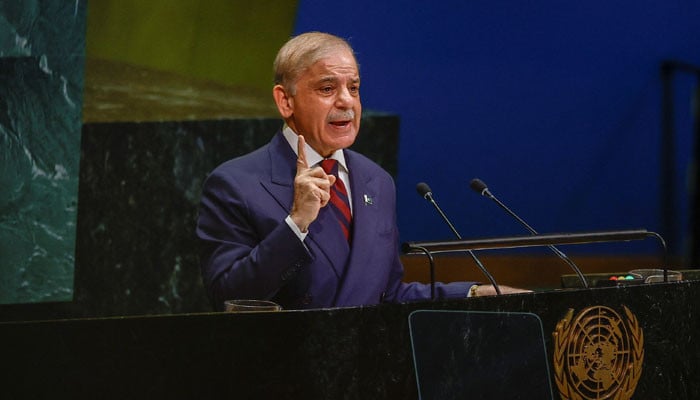
Addressing the 81st session of the United Nations General Assembly in New York, Prime Minister Shehbaz Sharif delivered a comprehensive policy speech outlining Pakistan's strategic stance on pressing international and regional challenges. Standing before the global assembly, the prime minister focused heavily on the existential threat posed by climate change, juxtaposing Pakistan's negligible contribution to global carbon emissions against its severe vulnerability to climate-induced disasters, recalling the catastrophic floods of recent years.
The address detailed the acute humanitarian and infrastructural devastation experienced across the country, while pressing the international community to honor climate finance commitments made under multilateral frameworks. Prime Minister Sharif underscored that adaptation and mitigation efforts in the Global South remain severely underfunded, risking long-term economic stability and social cohesion in developing nations.
Commercial & Economic Implications
For Pakistan's domestic economy, the international advocacy for debt relief and concessionary financing directly impacts national fiscal space, foreign exchange reserves, and inflationary pressures. High sovereign debt servicing obligations have historically crowded out critical public sector development expenditure and forced successive administrations to implement stringent austerity measures, dampening wholesale distribution, retail trade, and domestic consumption.
Securing international support for climate resilience and debt restructuring is vital for stabilizing the Pakistani Rupee, mitigating imported inflation driven by energy and commodity costs, and restoring investor confidence. Lower external debt burdens would allow the government to ease tight monetary policies, potentially lowering borrowing costs for commercial enterprises, revitalizing supply chains, and offering relief to consumers grappling with high utility and food prices.
Related Intelligence: Prime Minister Shehbaz Addresses UNGA on Regional Stability and Economic Growth
Stakeholder Perspectives & Market Reactions
Business councils, trade federations, and financial analysts have closely monitored the Prime Minister's diplomatic engagements, emphasizing that macroeconomic stability is intrinsically linked to external debt management and international climate support. Major industrial associations in Karachi, Lahore, and Faisalabad have consistently argued that sustainable economic recovery requires predictable energy tariffs and reduced fiscal deficits, both of which depend on favorable international financial packaging.
Economic commentators note that while diplomatic addresses set a vital tone for bilateral and multilateral negotiations, the ultimate test lies in tangible financial commitments from international financial institutions such as the International Monetary Fund, the World Bank, and wealthy donor nations. Legal and financial experts maintain that structural reforms must accompany external relief to ensure long-term market viability and robust industrial growth.
Forward Outlook & Key Watchpoints
Following the UNGA address, the federal government faces the critical task of translating diplomatic dialogue into actionable bilateral agreements and climate fund disbursements over the upcoming fiscal quarters. Key watchpoints for market participants include upcoming reviews by international lenders, quarterly inflation trajectories, foreign exchange reserve accumulations, and the execution of structural tax and energy sector reforms mandated under ongoing stabilization programs.
Join Our Official WhatsApp Channel
Receive live commodity alerts, policy changes, and commercial intelligence directly on WhatsApp.