
Shaheen Afridi Secures ODI Captaincy Ahead of 2027 World Cup Campaign
Shaheen Shah Afridi consolidates his position as Pakistan ODI captain ahead of the 2027 World Cup, anchoring institutional stability across the country's multi-million-dollar sports and broadcast economy.
The Core Development
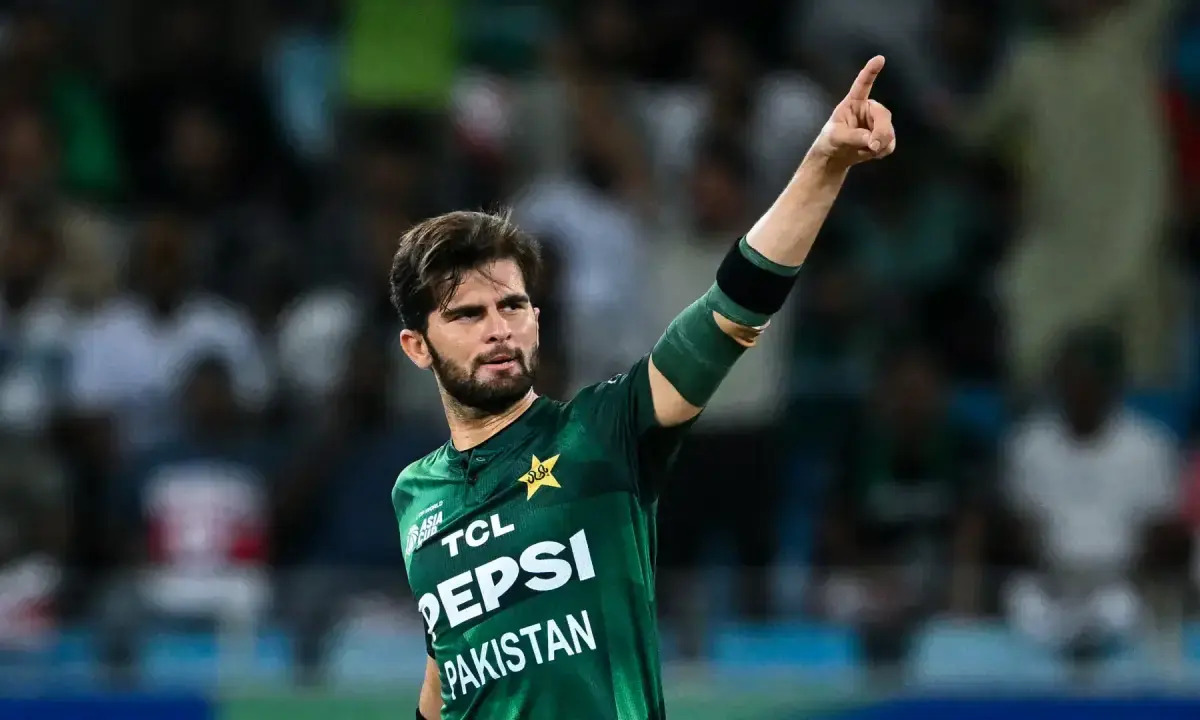
Pakistan's premier left-arm fast bowler Shaheen Shah Afridi has established firm control over the national One-day International (ODI) captaincy, marking a decisive shift away from the frequent leadership turnovers that have historically characterized the Pakistan Cricket Board (PCB). Having previously navigated a turbulent management phase in 2024 when he was abruptly replaced as Twenty20 captain after a single series, Shaheen's current mandate signals extended institutional backing. The cricket administration has formally entrusted him with steering the squad into the 2027 ICC Men's Cricket World Cup scheduled to take place in South Africa, Zimbabwe, and Namibia.
Shaheen assumes the captaincy mantle from wicketkeeper-batter Mohammad Rizwan, commanding a transitional yet high-profile roster that includes former skipper Babar Azam. The upcoming ODI tri-series against Sri Lanka serves as the primary operational test for this consolidated setup. Afridi has publicly identified internal unity and organizational cohesion as the central tenants of his captaincy philosophy, aiming to bridge locker-room factions and establish stable performance metrics well ahead of major international tournaments.
Commercial & Economic Implications
The strategic stabilization of the national cricket captaincy yields direct ramifications for Pakistan's sports economy, broadcast rights valuation, and national retail sectors. In Pakistan, professional cricket represents a multi-billion-rupee commercial ecosystem. Frequent leadership reshuffles have historically diluted corporate brand equity, created uncertainty for institutional sponsors, and weakened advertising commitments ahead of bilateral series.
For consumer electronics retailers, domestic wholesale merchandisers, and apparel distributors, high-profile cricket tournaments serve as primary sales catalysts. Historically, consistent on-field performances and stable marquee leadership drive consumer spending across television retail, fan merchandise, and digital streaming subscriptions. Local sports manufacturing hubs, predominantly concentrated in Sialkot, experience elevated domestic demand for replica kits and training equipment when the national team enters major international schedules under steady leadership. Conversely, erratic management decisions routinely depress commercial airtime rates and dampen festive retail activity during major viewing cycles.
Related Intelligence: Government Rebuffs Opposition Demand for Alternative Dialogue Venue
Stakeholder Perspectives & Market Reactions
Corporate sponsors, media buying houses, and sports analytics bodies have responded favorably to the signals of structural continuity. Commercial stakeholders emphasize that multi-year endorsement contracts require stable figureheads. Previous cycles of sudden administrative intervention complicated long-term talent monetization and reduced corporate willingness to commit multi-million-rupee promotional budgets.
Analysts within domestic sports marketing observe that Shaheen Afridi retains substantial marketability across FMCG, automotive, and telecommunications sectors. Industry executives note that reuniting high-profile players such as Babar Azam and Mohammad Rizwan under clear, non-volatile command structures mitigates public relations frictions that previously compromised broadcast sponsorship yields. The consensus among corporate brand partners indicates that operational predictability within the PCB hierarchy is essential for maximizing commercial returns on national team sponsorships.
Forward Outlook & Key Watchpoints
The upcoming tri-series against Sri Lanka represents the immediate benchmark for Shaheen's tactical execution and squad cohesion. Analysts and commercial partners will monitor the PCB's willingness to maintain this continuity through inevitable competitive fluctuations in 2025 and 2026. The key watchpoints center on bilateral series victory margins, player workload management, and the board's structural discipline regarding contractual stability.
Should the PCB maintain this long-term policy heading into the 2027 World Cup cycle, the national team stands to benefit from compounded strategic preparation. For the broader Pakistani economy, sustained athletic stability directly underpins the recovery of domestic broadcast values, regional brand activations, and retail sports merchandising across urban consumer markets.
Join Our Official WhatsApp Channel
Receive live commodity alerts, policy changes, and commercial intelligence directly on WhatsApp.