
Severe Weather Strikes Western Sicily as Destructive Tornado Hits Marsala and Petrosino
A high-intensity tornado tore through the Sicilian towns of Marsala and Petrosino, causing widespread structural damage, uprooting agricultural assets, and disrupting regional commerce in southern Italy.
Geopolitical & Core Developments
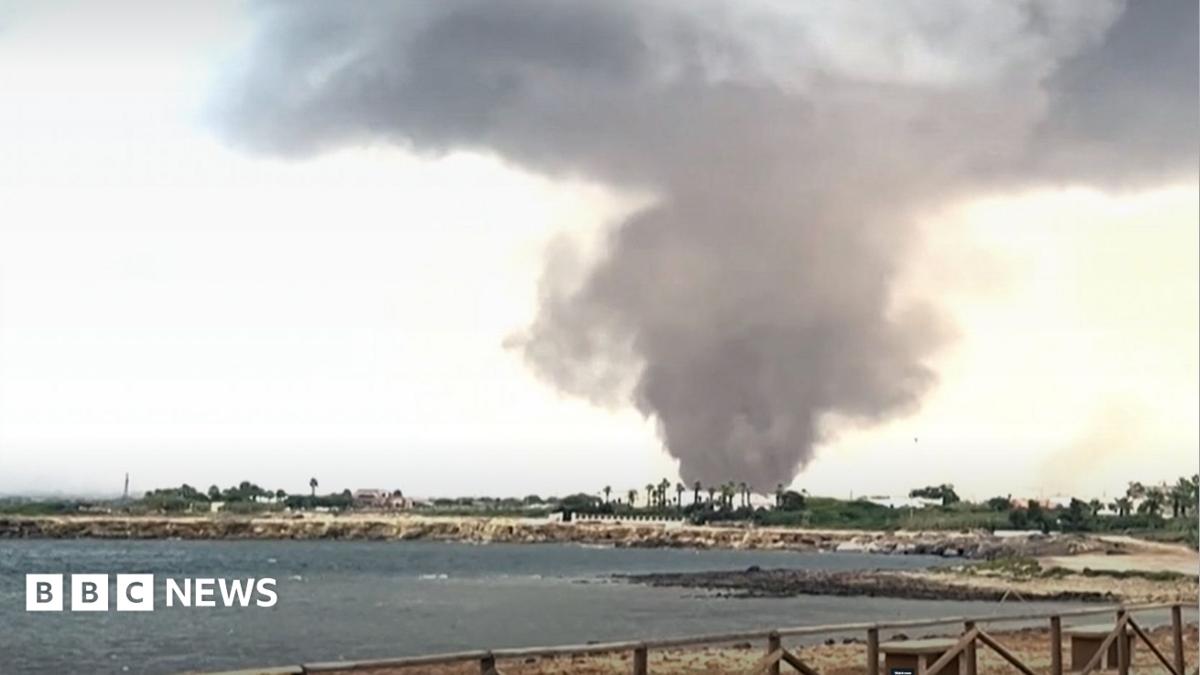
A rare and exceptionally violent meteorological event struck western Sicily, as a massive tornado carved a path of destruction through the densely populated coastal municipalities of Marsala and Petrosino. Local emergency response teams and civil protection agencies deployed immediately to the affected zones following the sudden atmospheric disturbance, which caught residents and municipal authorities off guard. Dramatic user-generated footage captured the immense funnel cloud sweeping across agricultural lands and residential sectors, hurling debris and stripping roofs from buildings. While initial reports confirm extensive structural devastation to homes, commercial establishments, and municipal infrastructure, civil protection units continue to conduct search and rescue operations to account for displaced residents and evaluate injuries.
The unprecedented intensity of the storm has intensified domestic discourse across Italy regarding climate resilience, municipal disaster response capabilities, and the accelerating frequency of extreme weather phenomena in the Mediterranean basin. Italian meteorological services noted that unusual thermal contrasts between the warm waters of the Mediterranean Sea and incoming cold Atlantic air masses created the ideal thermodynamic conditions for severe tornadic activity. Regional governors have called for an immediate state of emergency declaration to unlock federal disaster relief funds, enabling local councils to fast-track debris clearance, restore critical power grids, and provide temporary housing for families whose homes were rendered uninhabitable.
Global Trade & Economic Ripples
Beyond the immediate humanitarian and structural impact, the disaster has sent ripples through regional commodity markets and local supply chains. Marsala and Petrosino are integral components of Italy’s southern agricultural corridor, renowned globally for viticulture, olive oil production, and greenhouse farming. Preliminary agricultural assessments indicate significant damage to historic vineyards, olive groves, and agrarian logistics hubs. The destruction of local packing facilities and transport links threatens to bottleneck the seasonal export of Sicilian wine and fresh produce to broader European Union markets, potentially driving short-term price volatility for select Mediterranean agricultural commodities.
Furthermore, the temporary paralysis of local commercial hubs and localized power outages have disrupted small and medium-sized enterprises that form the backbone of the Trapani province economy. Freight transport along key arterial roadways was severely hampered by downed utility poles and overturned transport vehicles, temporarily severing commercial transit between key Sicilian ports and mainland distribution networks. Insurers anticipate a surge in commercial property and agricultural claims, prompting re-evaluations of risk modeling for Mediterranean commercial assets amidst escalating climate volatility.
Related Intelligence: Panama Earthquake Spares Global Maritime Trade As Markets Monitor Supply Chains
International Reactions & Diplomatic Stances
International bodies and European partners have monitored the unfolding situation in Sicily with grave concern, reflecting broader anxieties regarding climate security and extreme weather adaptation across Southern Europe. The European Commission's Emergency Response Coordination Centre expressed solidarity with Italian authorities, confirming that EU civil protection mechanisms remain on standby should Rome formally request technical assistance or satellite mapping data via the Copernicus Emergency Management Service.
Market analysts and risk intelligence firms have issued advisory notes highlighting the vulnerability of southern European critical infrastructure to severe meteorological anomalies. Economic commentators stress that frequent disruptions to Mediterranean agricultural and transport arteries necessitate accelerated public-private investment in climate-proof infrastructure. Multilateral climate policy groups have utilized the incident to underscore the urgent need for enhanced adaptation funding within the upcoming European Union budgetary frameworks, framing extreme weather events not merely as local emergencies, but as systemic threats to continental economic stability.
Strategic Outlook & Future Scenarios
As cleanup operations advance, the focus in Rome and Brussels is shifting toward long-term mitigation and infrastructural hardening. Municipal authorities in Marsala and Petrosino are expected to spearhead a comprehensive review of local zoning laws, building codes, and early warning systems to better withstand high-velocity wind events. Future regional development plans will likely prioritize underground utility routing and reinforced construction standards to mitigate the compounding economic costs of recurring natural disasters.
Upcoming European environmental policy summits will undoubtedly incorporate the Sicilian tornado into broader discussions on Mediterranean climate vulnerabilities. As global temperature anomalies continue to reshape regional weather patterns, policymakers face mounting pressure to bridge the gap between emergency disaster response and proactive climate adaptation strategies, ensuring that vital economic corridors remain resilient against an increasingly unpredictable meteorological landscape.
Join Our Official WhatsApp Channel
Receive live commodity alerts, policy changes, and commercial intelligence directly on WhatsApp.