
Gaza Ceasefire Stalls as Continued Strikes Deepen Regional Instability
Stalled peace negotiations and ongoing military strikes in Gaza exacerbate humanitarian crises and heighten commercial risks across global commodity and shipping markets.
Geopolitical & Core Developments
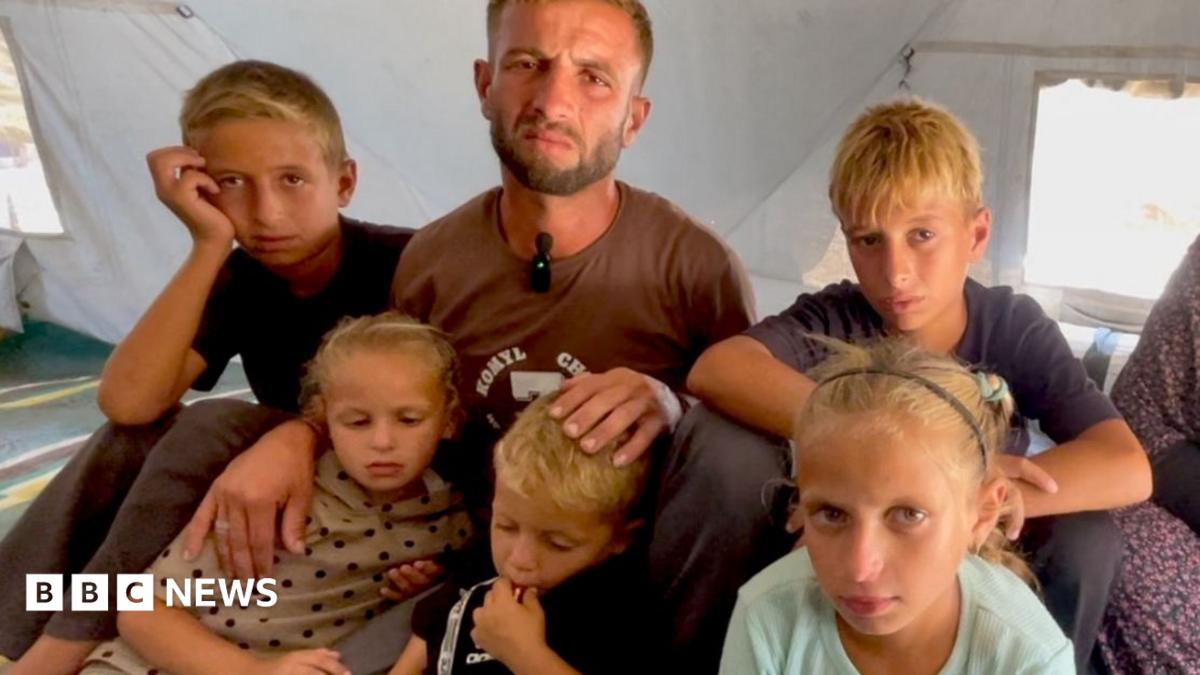
The diplomatic framework intended to secure a lasting cessation of hostilities in the Gaza Strip has encountered severe structural impediments, leaving high-stakes negotiations deadlocked. Despite intensive mediation efforts led by the United States alongside regional partners Qatar and Egypt, fundamental disagreements regarding troop withdrawals, hostage releases, and the permanent governance of the enclave persist between the primary belligerents. On the ground, the reality for millions of Palestinians remains starkly defined by ongoing military operations. Millions are confined to densely populated tent cities where access to potable water, sanitation, and essential medical supplies grows increasingly precarious by the day. The failure to transition from temporary humanitarian pauses to a sustainable political settlement has entrenched a cycle of violence that defies international diplomatic timetables and strategic interventions.
Global Trade & Economic Ripples
Beyond the immediate humanitarian catastrophe, the protracted nature of the conflict exerts continuous pressure on global commerce, particularly within the Middle East and surrounding maritime chokepoints. Persistent security risks in the Red Sea and the Bab el-Mandeb strait have forced major international shipping lines to reroute vessels around the Cape of Good Hope, substantially increasing transit times and elevating freight rates worldwide. Furthermore, energy markets remain sensitive to any escalation that could potentially draw in regional producers or disrupt critical infrastructure. While immediate petroleum supplies have largely absorbed the geopolitical shock, sustained instability threatens to introduce structural premiums into global crude pricing, fertilizer supplies, and regional trade finance, directly impacting importing economies across Europe and Asia.
Related Intelligence: Pakistan Bound to Consult Multilateral Lenders on Petroleum Levy Adjustments
International Reactions & Diplomatic Stances
Multilateral institutions and global capitals have expressed mounting frustration over the diplomatic paralysis. United Nations officials have repeatedly warned that the humanitarian situation has surpassed catastrophic thresholds, urging the Security Council to enforce compliance with international humanitarian law. Meanwhile, Western allies continue to balance domestic political pressures with strategic commitments to regional security, while emerging market economies voice alarm over the diversion of diplomatic and financial resources away from broader global development goals. Trade associations and international chambers of commerce have likewise issued warnings regarding the long-term economic scarring effect of chronic geopolitical instability on investor confidence throughout the Levant and Gulf regions.
Strategic Outlook & Future Scenarios
Looking ahead, the trajectory of the conflict remains tied to upcoming diplomatic engagements and potential shifts in domestic political landscapes across the region. Analysts suggest that without a fundamental reassessment of enforcement mechanisms by international guarantors, the current stalemate could harden into a prolonged low-intensity conflict. Such an outcome would institutionalize regional fragmentation, perpetuate maritime security vulnerabilities, and necessitate indefinite humanitarian relief operations. Upcoming international summits will test whether multilateral pressure can compel the warring parties back to substantive negotiations, or if global markets must prepare for a prolonged era of elevated geopolitical risk.
Join Our Official WhatsApp Channel
Receive live commodity alerts, policy changes, and commercial intelligence directly on WhatsApp.