
Serbian President Vucic Resigns Amid Mass Protests, Triggering Snap Elections
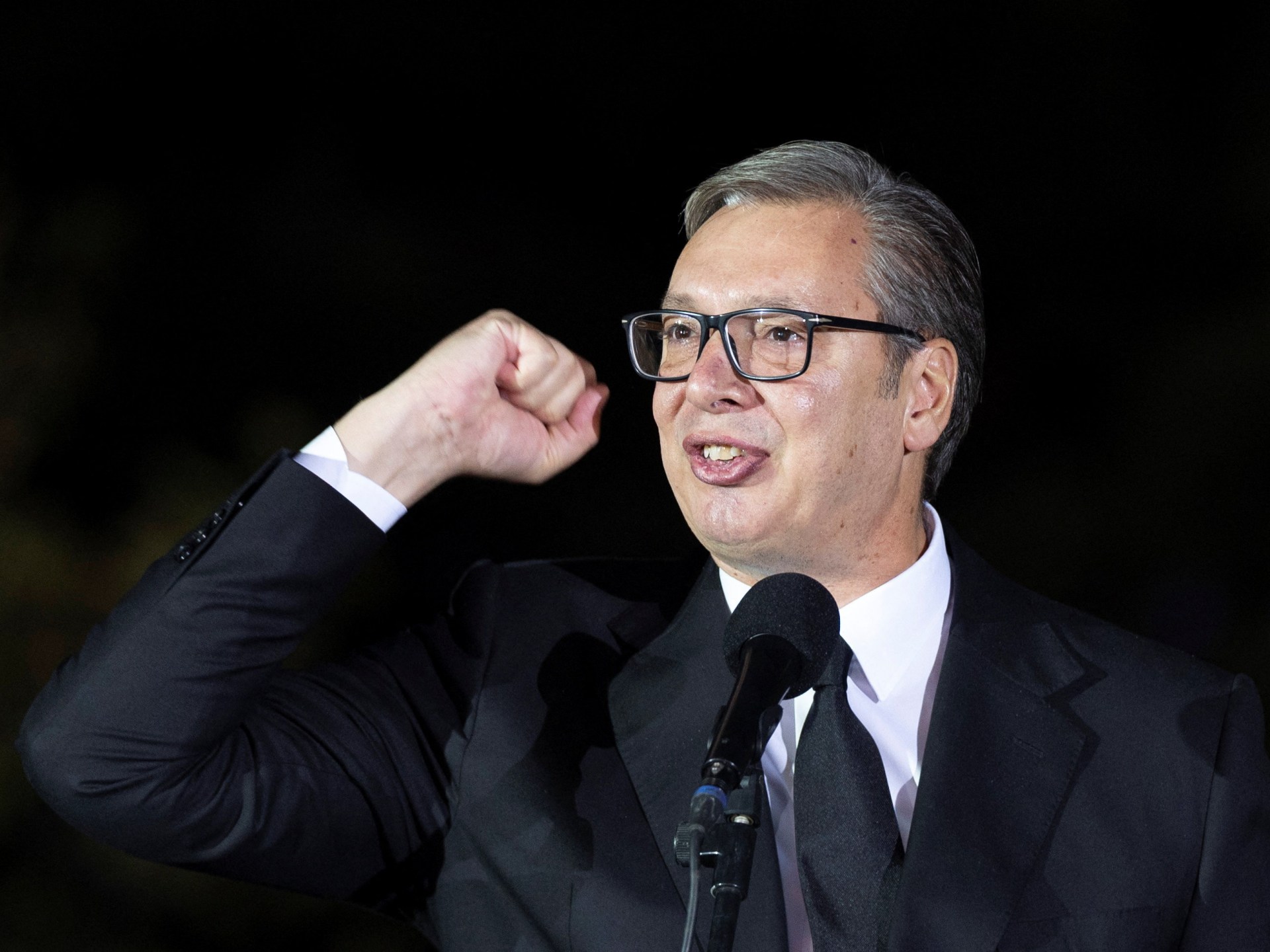
Serbian President Aleksandar Vucic has resigned amid mounting pressure from student-led protests, yet plans to run in forthcoming snap elections.
Geopolitical & Core Developments
Serbian President Aleksandar Vucic has officially announced his resignation, bowing to months of relentless, student-led protests and escalating political unrest that paralyzed major urban centers across the Balkan nation. The departure of one of Europe's longest-serving political figures marks a watershed moment for Serbia's domestic landscape. Vucic, who has dominated the country's political apparatus for over a decade through a carefully balanced foreign policy between the European Union, Russia, and China, faced unprecedented scrutiny over governance, corruption allegations, and democratic backsliding.
Despite surrendering the presidency, Vucic has confirmed his intention to run in the newly triggered snap parliamentary and presidential elections. Political analysts view this maneuver as an attempt to reset his political legitimacy and rally his nationalist base ahead of a hostile electoral challenge. The student movements, which galvanized broad societal discontent, have vowed to maintain pressure on the institutional apparatus to ensure a transparent electoral process. The timeline for the snap elections remains compressed, setting the stage for a high-stakes political showdown that will test the resilience of Serbian democratic institutions.
[Global Trade](/news/yemeni-frontline-escalation-threatens-global-trade-corridors) & Economic Ripples
Beyond domestic politics, the political upheaval in Belgrade carries profound implications for global trade, foreign direct investment, and regional commodity corridors. Serbia serves as a critical logistical bridge in the Western Balkans, housing vital transportation arteries connecting Central Europe to Greece and the broader Aegean trade networks. Prolonged unrest threatens to disrupt supply chains, deter multinational capital inflows, and delay critical infrastructure projects financed by both the European Union and Asian partners.
Furthermore, the Serbian market is deeply intertwined with broader European energy grids and natural gas transit routes. Any prolonged political instability or administrative paralysis in Belgrade could impact regional energy security, particularly regarding gas flows originating from Russian and Caspian sources passing through the Balkans. Industrial commodities, agricultural exports, and manufacturing sectors within Serbia—heavily integrated into German automotive supply chains—face mounting uncertainties as investors reassess sovereign risk premiums in the wake of Vucic's resignation.
Related Intelligence: Yemeni Frontline Escalation Threatens Global Trade Corridors
International Reactions & Diplomatic Stances
International capitals and multilateral bodies have responded to Vucic's resignation with cautious vigilance. Officials in Brussels emphasized the vital necessity of maintaining institutional stability, upholding the rule of law, and ensuring free and fair snap elections. The European Union, which has long viewed Vucic as both a stabilizing force and an authoritarian challenger in its enlargement roadmap, reiterated that Serbia's path toward EU accession depends heavily on democratic reforms and judicial independence.
Meanwhile, diplomatic dispatches from Washington underscore the strategic importance of regional peace in the volatile Balkan peninsula. Global financial institutions and credit rating agencies have placed Serbian sovereign debt under close observation, warning that protracted political uncertainty could trigger capital outflows and elevate borrowing costs. Market analysts stress that international investors will demand clear assurances regarding regulatory predictability and fiscal discipline from whichever political coalition emerges victorious from the upcoming electoral cycle.
Strategic Outlook & Future Scenarios
As Serbia transitions toward snap elections, the strategic outlook remains fraught with friction. Several distinct scenarios could unfold as opposition coalitions and Vucic's ruling party vie for supremacy. A decisive victory for Vucic in the upcoming polls would likely entrench his political dominance under a different institutional title, potentially prolonging the social friction and street-level resistance that precipitated his resignation.
Conversely, a breakthrough by the unified opposition could dramatically pivot Belgrade's foreign policy vector firmly toward Euro-Atlantic integration, accelerating anti-corruption reforms and aligning Serbian sanctions policy more closely with Western frameworks. However, such a transition carries inherent geopolitical escalation points, particularly concerning regional disputes over Kosovo and the delicate ethnic balance in neighboring Bosnia and Herzegovina. Upcoming regional summits will serve as crucial barometers for gauging international recognition and diplomatic maneuvering as Serbia navigates this critical juncture in its modern history.
Join Our Official WhatsApp Channel
Receive live commodity alerts, policy changes, and commercial intelligence directly on WhatsApp.