
Ireland-Israel UEFA Match Sparks Geopolitical and Commercial Fallout
Ireland's political protest against Israel during a high-profile UEFA Nations League match has ignited international diplomatic friction and raised concerns across global commercial markets.
Geopolitical & Core Developments
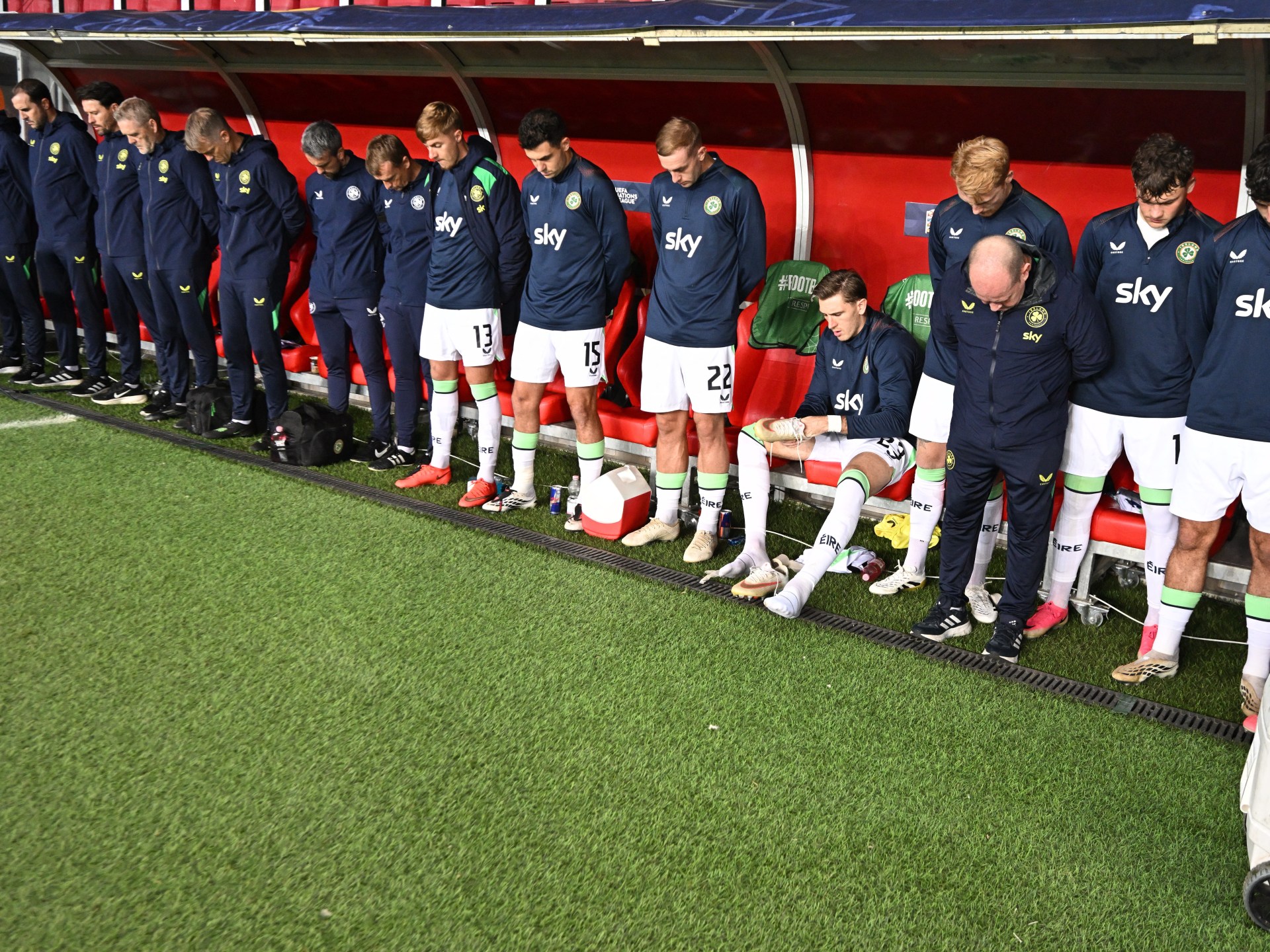
The intersection of sports and international diplomacy reached a volatile crescendo during the recent UEFA Nations League fixture between Ireland and Israel. In an unprecedented display of solidarity with Palestine, members of the Irish national squad took to the pitch wearing black armbands, bowed their heads in silent protest, and pointedly refused the traditional pre-match handshakes with their Israeli counterparts. This calculated demonstration instantly transformed a routine athletic competition into a major geopolitical flashpoint, drawing immediate global attention to the enduring Israeli-Palestinian conflict and testing the boundaries of sports diplomacy.
State actors across Europe and the Middle East reacted swiftly to the stadium protests. While civil society groups and pro-Palestinian organizations lauded the Irish team's stance as a courageous defense of human rights, Israeli diplomatic officials condemned the action, arguing that political agendas had unjustly infiltrated international sports. The incident highlights the growing pressure on international bodies like UEFA to navigate increasingly polarized geopolitical landscapes where neutral ground is vanishingly rare. As governments evaluate the diplomatic fallout, bilateral relations between Dublin and Tel Aviv face severe strain, with potential repercussions for ongoing European Union policy discussions concerning the Middle East.
Global Trade & Economic Ripples
While sporting events rarely dictate immediate macroeconomic trends, high-profile diplomatic friction between European nations and Middle Eastern states inevitably reverberates through global trade corridors. International markets operate under heightened sensitivity to geopolitical stability, particularly regarding trade agreements, foreign direct investment, and supply chain continuity. Although direct commercial sanctions have not emerged from this specific athletic controversy, corporate entities operating within the region are re-evaluating their risk exposure amidst rising social and political polarization.
Furthermore, investor sentiment across European equities and regional currency values can experience subtle volatility when diplomatic disputes escalate into public forums. Shipping lanes, energy supply negotiations, and multilateral trade frameworks remain vulnerable to broader retaliatory measures if state-level tensions deepen. Commodity market analysts emphasize that prolonged diplomatic friction between European Union member states and Middle Eastern economies can complicate multilateral trade negotiations, ultimately influencing investor confidence and cross-border commercial transactions in an already fragile global economy.
Related Intelligence: Portugal Edges Norway in High-Stakes Nations League Clash
International Reactions & Diplomatic Stances
Reactions from international bodies and multilateral organizations have underscored the delicate balancing act required in modern diplomacy. United Nations officials have reiterated calls for adherence to international law and peaceful resolution of the underlying conflict, while declining to comment directly on the athletic protest itself. European Union representatives expressed concern over the potential polarization of cultural and sporting events, emphasizing that international platforms should ideally foster dialogue rather than deepen divisions.
Market analysts and geopolitical risk consultants have noted that such public demonstrations often act as barometers for shifting public sentiment, which can eventually influence legislative decisions and trade policies. Several European governments have faced mounting domestic pressure from constituents demanding stronger diplomatic stances, while others urge strict adherence to institutional neutrality in international sports. This dichotomy complicates efforts by multinational organizations to maintain cohesive foreign policies amid divergent national priorities.
Strategic Outlook & Future Scenarios
Looking ahead, the fallout from the Ireland-Israel fixture is expected to cast a long shadow over upcoming international sports tournaments and diplomatic summits. Regulatory bodies such as UEFA face mounting calls to clarify guidelines regarding political expressions on the field, with potential disciplinary frameworks under review to prevent future escalations. However, enforcing strict neutrality risks alienating players and federations eager to express solidarity with humanitarian crises.
In the broader geopolitical sphere, upcoming diplomatic summits in Europe and the Middle East will likely address the increasing intersection of politics, commerce, and culture. As state actors maneuver for strategic advantage, commercial enterprises must maintain robust risk management strategies to navigate sudden shifts in regulatory environments, consumer sentiment, and international trade relations. The incident serves as a stark reminder that modern global commerce is inextricably linked to geopolitical currents, where localized events can rapidly scale into international concerns.
Join Our Official WhatsApp Channel
Receive live commodity alerts, policy changes, and commercial intelligence directly on WhatsApp.