
Serbian President Vucic Resigns Amid Mass Protests, Triggering Early Elections
Serbian President Aleksandar Vucic has stepped down following extensive anti-corruption demonstrations, paving the way for destabilizing early elections that threaten regional stability and European integration.
Geopolitical & Core Developments
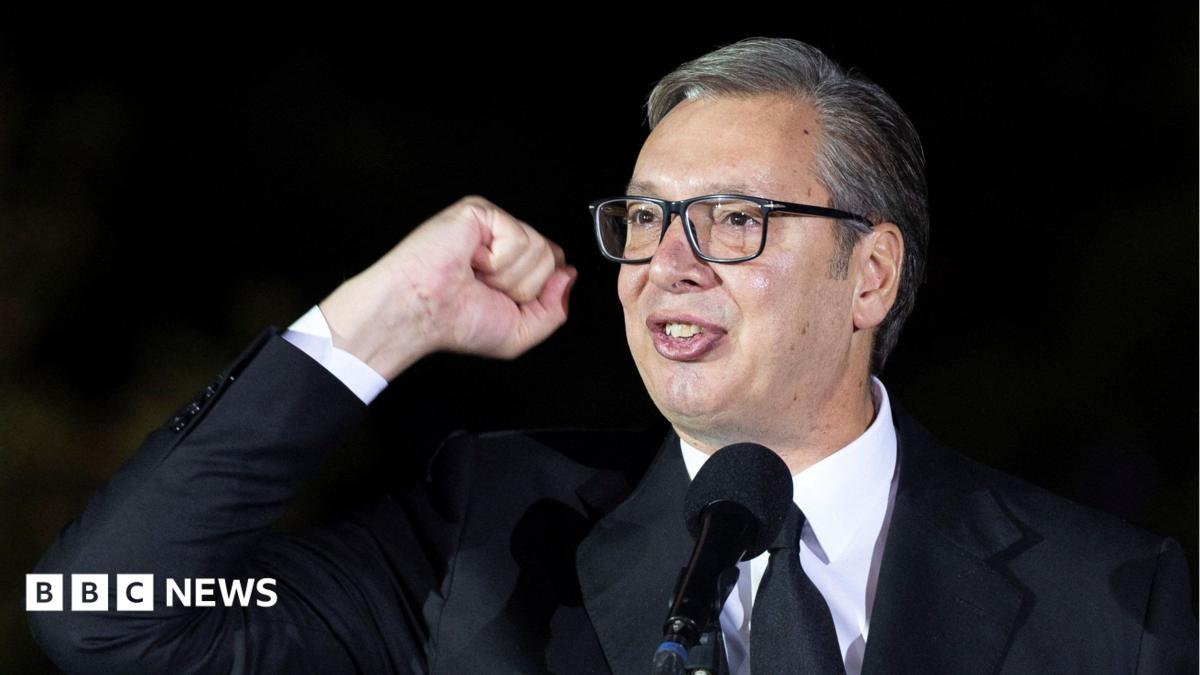
Serbian President Aleksandar Vucic announced his resignation following months of unprecedented anti-corruption protests that paralyzed major urban centers across the Balkan nation. Vucic, who has dominated Serbian politics for over a decade, stated that stepping down was necessary to preserve national unity and prevent further civil unrest. The administration had faced mounting pressure over allegations of systemic corruption, environmental mismanagement related to foreign mining concessions, and democratic backsliding. The resignation triggers a constitutional requirement for early elections within the next sixty days, setting the stage for a fiercely contested political showdown between the ruling Serbian Progressive Party and a fragmented opposition coalition. International observers note that the vacuum at the top of Serbia's political hierarchy introduces acute uncertainty into the fragile security architecture of the Western Balkans, a region historically susceptible to external meddling and ethnic tensions.
Global Trade & Economic Ripples
Beyond domestic political turmoil, the leadership crisis in Belgrade carries immediate implications for European supply chains, regional energy transit, and foreign direct investment. Serbia serves as a critical geographic bridge connecting Central Europe with the Aegean and the Middle East, hosting vital European transport corridors including Corridor X. Prolonged political paralysis threatens to delay multi-billion-dollar infrastructure projects, including modernization initiatives for rail and road freight networks. Furthermore, commodity markets are monitoring developments closely regarding critical mineral supplies, specifically lithium exploration projects involving major European automotive manufacturers. Energy security remains a focal point, as Serbia relies heavily on Russian natural gas imports while navigating complex European Union accession requirements. Any extended political instability risks delaying crucial energy diversification strategies and could cause volatility in regional currency values, particularly the Serbian Dinar, as foreign investors adopt a cautious wait-and-see approach.
Related Intelligence: Government Rules Out Financing and Sovereign Guarantees for PIA Fleet Expansion
International Reactions & Diplomatic Stances
International capitals and multilateral organizations have responded to Vucic's resignation with cautious concern, emphasizing the imperative of maintaining constitutional order and democratic norms. The European Union, which has long viewed Belgrade as a pivotal actor in regional enlargement talks, urged all political factions to exercise restraint and ensure that upcoming early elections are conducted transparently and in accordance with international standards. United Nations officials stressed the importance of peaceful dialogue and institutional stability to safeguard minority rights and prevent any spillover effects across neighboring countries. Meanwhile, market analysts and credit rating agencies have warned that prolonged political uncertainty could prompt negative rating outlook adjustments, raising borrowing costs for the Serbian state and sovereign debt instruments in international financial markets.
Strategic Outlook & Future Scenarios
As Serbia prepares for snap elections, the geopolitical trajectory of the country hangs in the balance. Three primary scenarios emerge for the post-Vucic landscape. The first involves the ruling party retaining power under a new figurehead, ensuring continuity in foreign policy but likely sustaining domestic civil discontent. The second scenario envisions a fragmented coalition government coming to power, which could prioritize sweeping anti-corruption reforms and accelerate European Union integration while navigating internal ideological divisions. The third, most volatile scenario points toward prolonged political gridlock, characterized by contested election results and persistent street protests that could draw active diplomatic intervention from both Brussels and Moscow. Upcoming regional diplomatic summits will serve as crucial barometers for gauging how neighboring states and Western allies manage the evolving power dynamics in Belgrade.
Join Our Official WhatsApp Channel
Receive live commodity alerts, policy changes, and commercial intelligence directly on WhatsApp.