
Flydubai Security Probe Exposes Regional Aviation Vulnerabilities
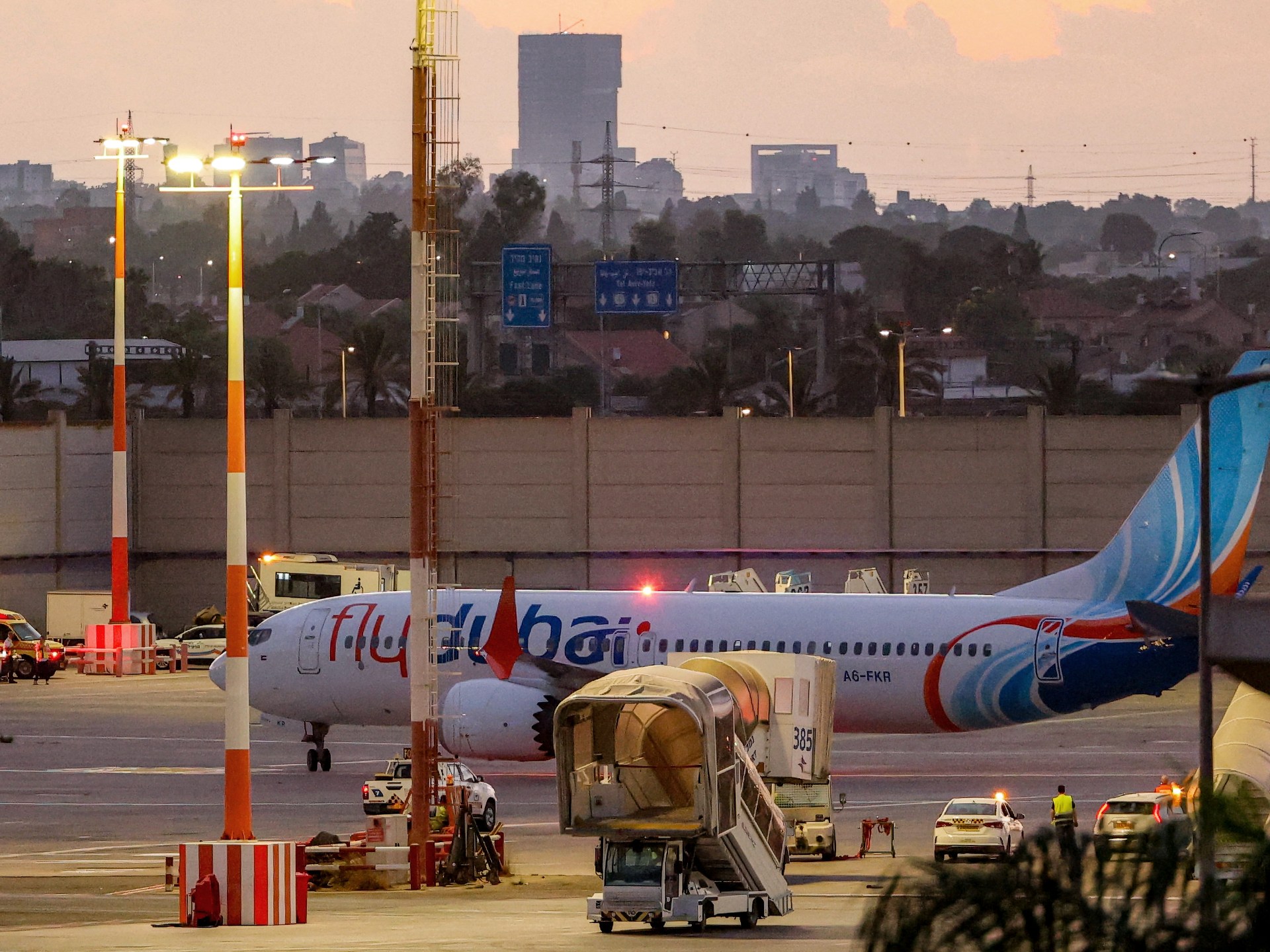
Investigations into a Flydubai security incident reveal the co-pilot was previously barred in Oman, exposing critical vulnerabilities in regional aviation vetting protocols.
Geopolitical & Core Developments
The revelation that co-pilot Hamam al-Hammami was previously restricted from operating within Omani airspace due to documented extremist associations has sent shockwaves through the Middle Eastern aviation sector. Security apparatuses across the Gulf Cooperation Council (GCC) are now racing to reconstruct the intelligence failures that allowed an individual flagged for radical ideologies to secure employment with a major international carrier like Flydubai. Initial intelligence reports indicate that while preliminary background checks cleared al-Hammami within domestic jurisdictions, cross-border intelligence sharing among Gulf states failed to flag the Omani aviation ban effectively. This administrative disconnect underscores the persistent challenges in harmonizing counter-terrorism data across sovereign borders, even among nations with deeply integrated security frameworks. State actors are now scrutinizing how regional intelligence agencies communicate personnel threat assessments, particularly within high-stakes sectors such as commercial aviation where systemic blind spots can yield catastrophic geopolitical consequences. The incident has triggered emergency audits of employment screening protocols, forcing regional airlines to re-evaluate their reliance on decentralized vetting systems and prompting intelligence ministries to establish centralized, real-time threat-sharing mechanisms to prevent similar security compromises in the future.
Global Trade & Economic Ripples
Beyond the immediate security ramifications, the Flydubai controversy introduces significant friction into the broader global logistics and commercial transport architecture. The Middle East serves as the world's premier aviation crossroads, connecting manufacturing hubs in Asia with consumer markets in Europe and the Americas through mega-carriers like Emirates, Qatar Airways, and Flydubai. Any perception of compromised security or lax regulatory oversight in this critical corridor immediately impacts investor confidence and passenger volume, rippling across international supply chains that depend on the seamless movement of high-value cargo transported in the bellies of passenger aircraft. Insurance underwriters specializing in aviation risk are already signaling potential adjustments to premium structures for Middle Eastern carriers, citing heightened regulatory scrutiny and the prospect of mandatory compliance upgrades. Furthermore, heightened security protocols at regional hubs threaten to introduce logistical bottlenecks, potentially delaying time-sensitive air freight shipments of electronics, pharmaceuticals, and perishable goods. As global commodity markets remain hypersensitive to supply chain disruptions, any systemic slowdown in Gulf aviation corridors introduces localized inflationary pressures and complicates international trade logistics.
Related Intelligence: Latvian Elections Proceed Under Shadow of Regional Security Concerns
International Reactions & Diplomatic Stances
International bodies and foreign ministries have responded to the incident with a mixture of diplomatic caution and urgent calls for regulatory reform. The International Civil Aviation Organization (ICAO) issued a statement emphasizing the imperative for standardized global vetting procedures, noting that existing frameworks rely too heavily on national discretion rather than mandatory international consensus. European aviation safety regulators have initiated informal consultations with Gulf counterparts to review data-sharing agreements, reflecting underlying anxieties among Western governments regarding foreign carrier safety standards operating within their airspace. Meanwhile, regional governments have launched high-level diplomatic engagements to reassure international markets of their commitment to aviation security. Statements from government officials in the United Arab Emirates emphasize zero-tolerance policies toward extremism while defending the robustness of national security infrastructure. However, behind closed doors, diplomatic channels are abuzz with debates over intelligence-sharing sovereignty versus collective regional security, as states grapple with the political fallout of allowing a flagged individual to bypass regional screening checkpoints.
Strategic Outlook & Future Scenarios
Looking ahead, the fallout from the al-Hammami investigation is poised to reshape the regulatory landscape of international civil aviation over the next decade. Upcoming global transport summits are expected to prioritize the integration of biometric tracking, centralized watchlists, and AI-driven behavioral analysis in pilot recruitment and vetting. For Flydubai and other regional operators, the incident will likely result in accelerated operational costs as they implement rigorous, mandatory psychological and ideological evaluations mandated by international insurers and safety bodies. Geopolitically, the event serves as a catalyst for deeper security integration among GCC member states, pushing them toward a unified airspace security doctrine. If managed effectively, these reforms could ultimately fortify regional transport networks against asymmetric threats; however, failure to plug these systemic gaps risks inviting punitive foreign regulatory measures, increased operational friction, and enduring reputational damage to the Middle East's premier aviation sector.
Join Our Official WhatsApp Channel
Receive live commodity alerts, policy changes, and commercial intelligence directly on WhatsApp.