
Security Forces Foil N-25 Transit Ambush Near Kalat, Freeing 23 Abductees
Pakistan security forces neutralized five terrorists and rescued 23 hostages near Kalat, foiling an armed bid to blockade the critical N-25 Karachi-Chaman commercial corridor.
The Core Development
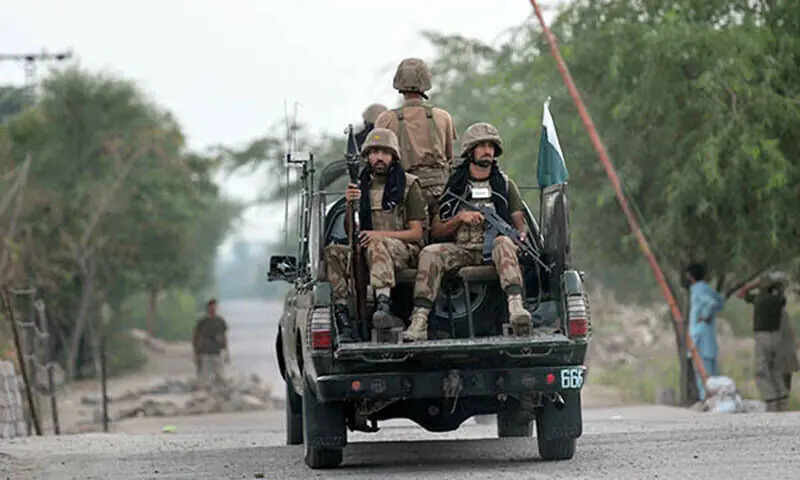
In a decisive tactical counter-operation, Pakistan's security forces neutralized five heavily armed militants and secured the release of 23 abducted individuals from a remote hideout near Kalat along the National Highway 25 (N-25), the military's media affairs wing reported. According to an official statement issued by the Inter-Services Public Relations (ISPR), the armed confrontation unfolded during the overnight hours of September 18 and September 19, when an insurgent cell attempted to establish an illicit checkpoint across the artery.
The intercepted militants sought to intercept civilian and commercial traffic to execute targeted kidnappings for ransom, commercial extortion, and vehicle seizures. Positioned along the vital transit route, the group attempted to strangle cargo mobility before quick-reaction security detachments intervened. An intense gun battle ensued, resulting in the elimination of five hostile elements linked to foreign-backed destabilization proxies. All 23 captive transport workers and travelers were successfully recovered from the nearby hideout without reported casualties among the hostages, restoring transit authority across the strategic corridor.
Commercial & Economic Implications
The N-25 National Highway—traditionally recognized as the RCD Highway or the Pakistan Expressway—is the primary trade lifeblood connecting the southern seaport hub of Karachi with Quetta and the cross-border gateway of Chaman. The corridor sustains the continuous transit of essential industrial inputs, petroleum tankers, construction aggregates, perishable agricultural freight, and official bilateral cargo under the Afghan Transit Trade framework.
Any physical disruption or asymmetric threat along this central logistics spine carries sharp financial ramifications for Pakistan's domestic supply chains. Transport operators faced with volatile security conditions routinely incorporate risk premiums, escalating inland trucking tariffs by 10 to 15 percent across southern Balochistan routes. For distributors and retail trading firms, transit delays induce inventory bottlenecks, compound demurrage charges at Karachi port terminals, and amplify spot wholesale prices on basic consumer commodities. The security apparatus's swift neutralisation of the extortion attempt prevented prolonged multi-day freight backlogs that typically drive up inter-provincial distribution costs.
Related Intelligence: Security Forces Clear Strategic N-25 Highway, Rescuing 23 Hostages Near Kalat
Stakeholder Perspectives & Market Reactions
Commercial hauliers and regional business leadership have reiterated urgent calls for comprehensive corridor protection mechanisms. The All Pakistan Goods Transport Owners Association (APGTOA) has repeatedly highlighted that commercial drivers face operational exposure to extortion rings and organized highway hijackings along remote desert stretches, especially during nocturnal transits.
Simultaneously, trade representatives from the Quetta and Chaman Chambers of Commerce emphasized that commercial confidence in western transit infrastructure hinges on continuous physical security. Industry leaders point out that while rapid military counteractions prevent protracted supply-chain blockages, institutional stability necessitates systemic highway patrols. Logistics intermediaries noted that persistent ambient risk dampens fleet deployment efficiency, leading haulage firms to reduce overnight transit hours, which lowers vehicle asset utilization rates and tightens spot cargo availability throughout the national retail network.
Forward Outlook & Key Watchpoints
Moving forward, provincial law enforcement commands and the Frontier Corps are expected to broaden dynamic reconnaissance and defensive screening measures along vulnerable segments of the N-25 between Hub, Kalat, and Mastung. Analysts will closely monitor whether the state deploys escorted commercial convoy mechanisms or broadens round-the-clock aerial and electronic monitoring over highway choke points.
Key watchpoints for supply chain stakeholders include commercial freight rate fluctuations on the Karachi-Quetta corridor and regional transit insurance rates over the coming quarters. Ensuring permanent navigational stability along the N-25 remains a prerequisite for safeguarding national cargo velocities, controlling inland transportation inflation, and preserving the strategic viability of Pakistan's western commercial trade links.
Join Our Official WhatsApp Channel
Receive live commodity alerts, policy changes, and commercial intelligence directly on WhatsApp.