
Ukraine Expands Drone Strikes to Russian Artificial Intelligence Infrastructure
Ukrainian drone attacks targeting Russian tech giant Yandex mark a strategic expansion of military operations into Moscow's artificial intelligence infrastructure, alongside continued strikes on energy facilities.
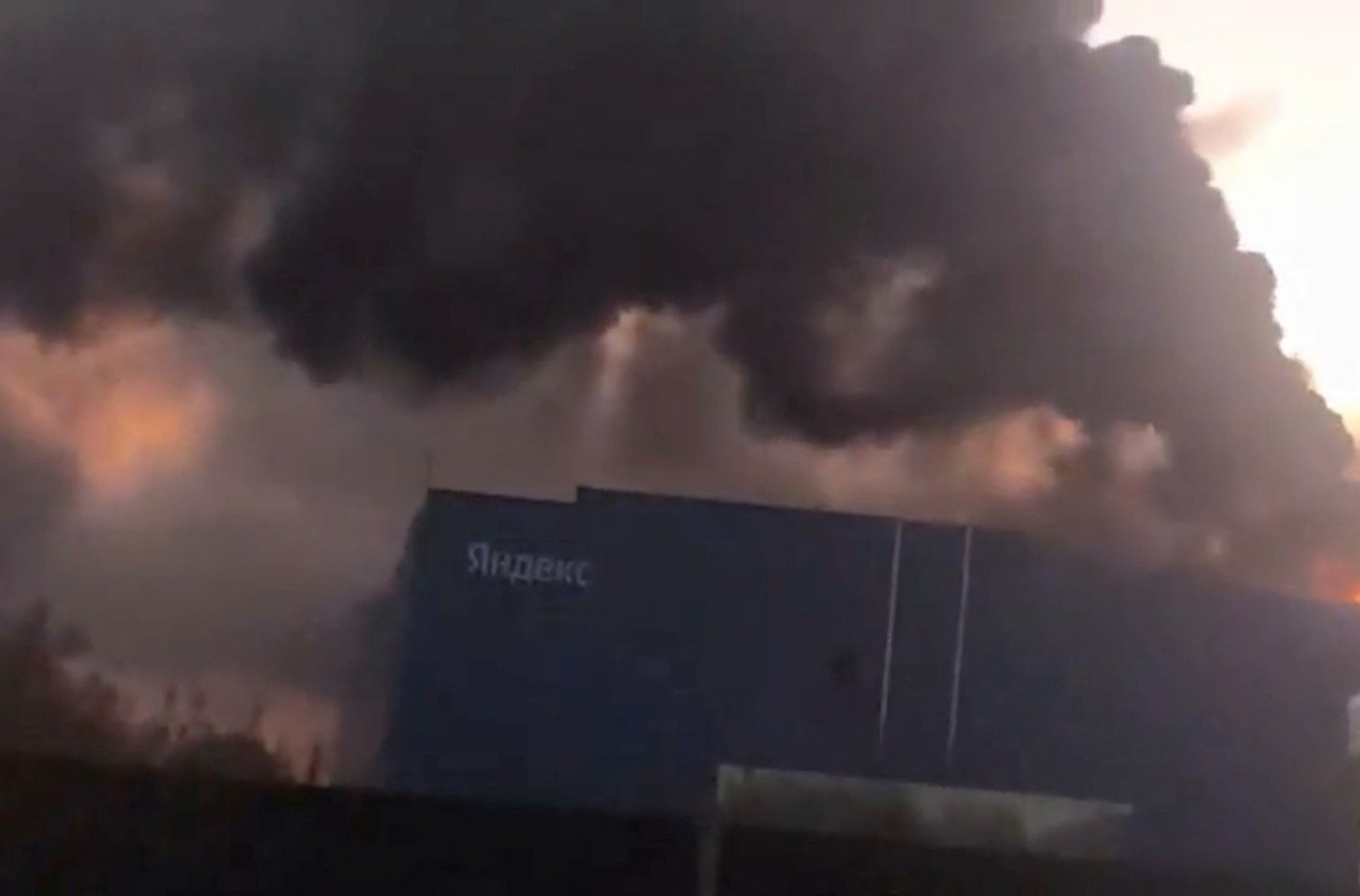
Geopolitical & Core Developments
In a significant tactical escalation of the ongoing conflict, Ukrainian long-range drone operations have expanded beyond traditional military targets to strike deep into Russia's technological and digital infrastructure. Recent operations have directly targeted facilities associated with Yandex, often described as Russia's technological crown jewel and a cornerstone of its domestic digital ecosystem. This targeted campaign against artificial intelligence data centers, server hubs, and computational infrastructure signals a deliberate effort by Kyiv to degrade Moscow's advanced technological capabilities.
For months, the trajectory of Ukrainian aerial assaults focused primarily on degrading Russia's formidable war machine through strikes on missile manufacturing plants, defense-industrial complexes, and vital oil refineries. By incorporating high-tech commercial and state-linked digital assets into its targeting matrix, Kyiv is seeking to impose systemic friction on the Russian economy. Artificial intelligence and big data analytics have become critical components of modern military logistics, battlefield coordination, and automated defense systems. Consequently, strikes on entities like Yandex carry both symbolic and operational weight, demonstrating that Russia's digital rear is no longer insulated from the kinetic realities of the war.
Global Trade & Economic Ripples
The broadening of the target set to include digital and technological infrastructure introduces complex dynamics into global commodity markets and technology supply chains. While immediate market anxieties typically focus on Russian crude oil, refined products, and natural gas flows, the targeting of data infrastructure underscores vulnerabilities in emerging technological supply chains. Russia has increasingly turned inward and toward alternative international partners for semiconductors, server hardware, and AI development following sweeping Western export controls.
Disruptions to domestic tech giants threaten to bottleneck Russia's internal digital commerce, cloud computing services, and automated industrial processes. Furthermore, persistent attacks on Russian energy refineries continue to exert upward pressure on global refined product cracks, forcing international trading houses to recalibrate diesel and gasoline flows across European and Asian markets. As insurance premiums and maritime freight rates adjust to elevated regional risks, the intersection of cyber warfare, infrastructure vulnerabilities, and physical drone attacks is reshaping risk calculations for international traders operating in Eastern Europe and adjacent trade corridors.
Related Intelligence: Indonesian Peat Fires Ignite Regional Diplomatic and Supply Chain Crises
International Reactions & Diplomatic Stances
International bodies and Western allies have responded to the shifting tactical landscape with measured diplomatic postures. Representatives from the United Nations have reiterated concerns over the widening scope of attacks on civilian and dual-use infrastructure, emphasizing the imperative of protecting non-military facilities under international humanitarian law. Meanwhile, intelligence analysts in Washington and Brussels note that the strikes on artificial intelligence and digital nodes reflect Kyiv's strategic imperative to prove that asymmetric capabilities can neutralize Russia's conventional advantages.
Market analysts in London and New York point out that targeting Yandex represents a direct challenge to the illusion of technological self-sufficiency promoted by the Kremlin. As Western sanctions continue to restrict direct access to advanced Western microprocessors, domestic entities bear the heavy burden of sustaining technological momentum. Disruptions caused by kinetic strikes compound these structural bottlenecks, drawing scrutiny from institutional investors who monitor geopolitical risk exposure across emerging market technology equities and sovereign debt instruments.
Strategic Outlook & Future Scenarios
Looking ahead, the integration of digital infrastructure into active targeting lists portends a protracted and technologically pervasive phase of the conflict. Future escalation points are likely to center around retaliatory cyber operations and intensified electronic warfare, as Moscow seeks to protect its critical digital assets while maintaining offensive cyber pressure against Western infrastructure and Ukrainian command networks.
Upcoming diplomatic summits and ministerial meetings among G7 nations will undoubtedly address the convergence of artificial intelligence, state-sponsored cyber espionage, and kinetic warfare. As sanctions enforcement tightens around dual-use components, the resilience of Russia's digital economy will be tested severely. The long-term trajectory suggests that future peace negotiations or deterrence frameworks will need to account not only for territorial and energy security, but also for the protection and regulation of critical digital and artificial intelligence infrastructure in modern interstate conflicts.
Join Our Official WhatsApp Channel
Receive live commodity alerts, policy changes, and commercial intelligence directly on WhatsApp.