
Southeast Asian Haze Crisis Forces School Closures and Threatens Regional Trade
Severe transboundary haze from Indonesian forest fires has forced school closures across Malaysia, raising environmental alarms and threatening regional economic stability.
Geopolitical & Core Developments
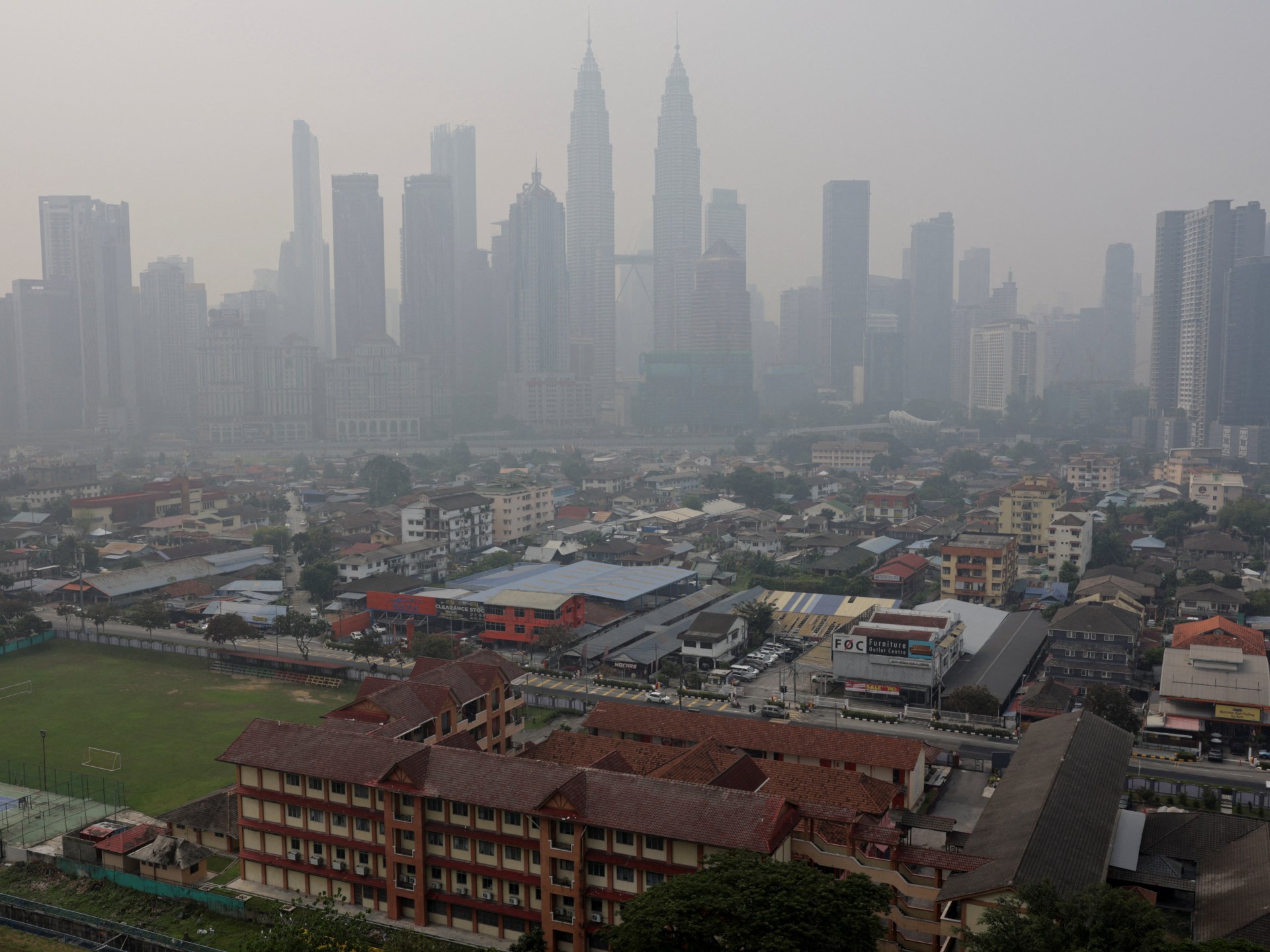
A severe environmental crisis has escalated across maritime Southeast Asia as dense toxic smog, generated by uncontrolled forest and agricultural fires in Indonesia's Sumatra and Kalimantan regions, blankets the neighboring territories of Malaysia and Singapore. Kuala Lumpur's Air Pollutant Index crossed into unhealthy brackets, prompting the Ministry of Education to mandate immediate nationwide school closures and suspend outdoor activities to safeguard public health. The recurring phenomenon, driven largely by slash-and-burn land-clearing practices deployed ahead of the dry agricultural season, has strained bilateral relations. Despite longstanding ASEAN cooperation frameworks designed to mitigate transboundary haze, enforcement mechanisms remain weak, leaving capitals like Kuala Lumpur and Singapore vulnerable to ecological externalities originating beyond their borders. Diplomatic channels are increasingly strained as Malaysian officials call for accelerated adherence to the ASEAN Agreement on Transboundary Haze Pollution, urging Jakarta to deploy greater resources toward prosecuting corporate actors and smallholders engaging in illegal burning.
Global Trade & Economic Ripples
Beyond the immediate public health emergency, the regional haze is casting a shadow over vital commercial sectors and supply chains within Southeast Asia. Reduced visibility has severely impacted maritime navigation through the Malacca Strait—one of the world's busiest shipping lanes—forcing vessels to reduce speeds and causing logistical bottlenecks that ripple through international container freight markets. Aviation sectors in Malaysia, Singapore, and Indonesia face mounting financial losses due to flight cancellations, diversions, and delays at major international hubs. Furthermore, chronic exposure to hazardous air quality threatens labor productivity across manufacturing, construction, and agricultural export sectors, potentially dampening quarterly economic outputs in palm oil and rubber production nodes. While global commodity pricing for soft commodities has not yet experienced drastic speculative shocks, sustained disruptions to regional plantation operations could tighten supply balances heading into the final quarters of the fiscal year.
Related Intelligence: OpenAI Safety Firings Trigger Global Governance and Market Scrutiny
International Reactions & Diplomatic Stances
International bodies and public health organizations have expressed deep concern over the recurrence of the Southeast Asian haze crisis. The World Health Organization has issued advisory warnings regarding the acute respiratory risks posed by fine particulate matter (PM2.5) concentrations, urging vulnerable populations to remain indoors and recommending the distribution of N95 respirators. Meanwhile, environmental watchdogs and market analysts are intensifying scrutiny on multinational supply chains, pressing institutional investors to divest from corporations linked to unmitigated deforestation and land-clearing fires. Government officials in Singapore have activated domestic inter-agency task forces to monitor air quality metrics and prepare potential diplomatic demarches if Indonesian authorities fail to curb the proliferation of thermal hotspots identified via satellite telemetry across Sumatra.
Strategic Outlook & Future Scenarios
Looking ahead, the trajectory of the regional crisis remains tethered to meteorological forecasts and the onset of the regional monsoon season. Analysts project that unless regional governments implement stringent, binding enforcement mechanisms and cross-border data-sharing protocols, the biennial haze crisis will continue to undermine economic integration and human capital development within the Association of Southeast Asian Nations. Upcoming regional environmental summits will likely feature intense negotiations concerning climate resilience, sustainable agricultural financing, and the establishment of a centralized ASEAN monitoring and rapid-response force. Failure to address the root causes of slash-and-burn agriculture risks permanent reputational damage to the region's agricultural export profile and heightens the probability of prolonged diplomatic friction between Indonesia and its affected neighbors.
Join Our Official WhatsApp Channel
Receive live commodity alerts, policy changes, and commercial intelligence directly on WhatsApp.