
Sanaa Offensive Deepens Yemen Crisis as Capital Under Heavy Bombing
Intense bombing strikes Sanaa as Yemeni government forces initiate a major campaign to retake the capital from Houthi control, threatening regional stability and global trade routes.
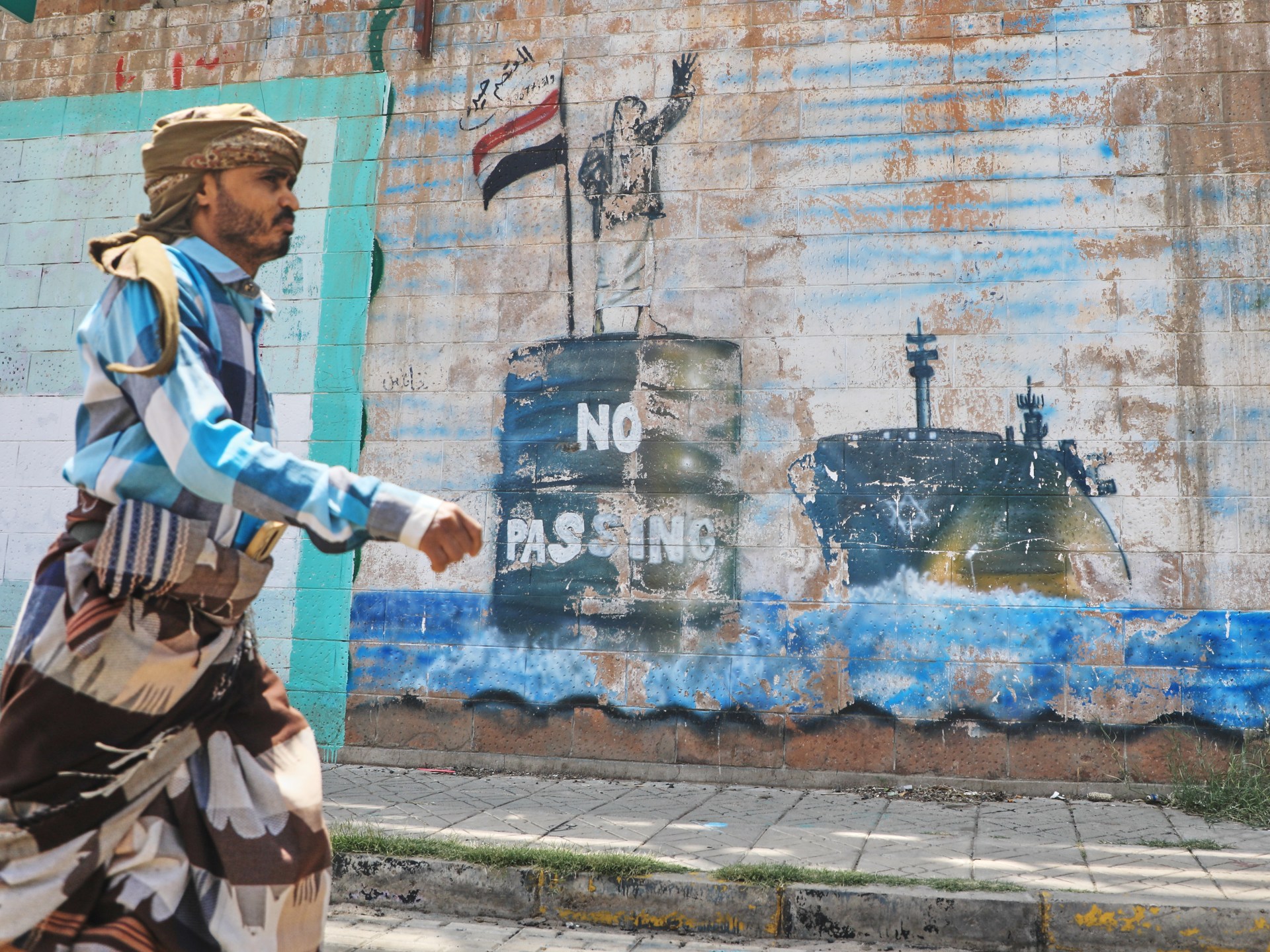
Geopolitical & Core Developments
The humanitarian and political landscape of the Arabian Peninsula has entered a volatile new phase as the internationally recognized Yemeni government launched a sweeping military campaign aimed at reclaiming the capital city of Sanaa from Houthi control. Sustained and intensive aerial bombardment has targeted strategic military installations, communication hubs, and defensive positions within the metropolitan area, sending shockwaves through a civilian population already battered by nearly a decade of civil conflict. The offensive represents a sharp escalation from the fragile, unformalized truces that had largely defined the conflict's static phases over the past two years. State actors aligned with the government have signaled that diplomatic solutions have reached an impasse, compelling a resort to hard power to alter facts on the ground. Strategic stakes are exceptionally high, as Sanaa serves as the ultimate political and psychological center of gravity in the Yemeni theatre. The intensification of urban combat risks transforming residential districts into battlegrounds, compounding an already catastrophic humanitarian crisis characterized by acute food insecurity, collapsing healthcare infrastructure, and widespread displacement.
Global Trade & Economic Ripples
The resumption of large-scale hostilities in Yemen carries immediate and profound implications for global trade, maritime security, and international energy markets. Sanaa's proximity to the crucial Bab el-Mandeb strait—a vital chokepoint through which a significant share of global petroleum and containerized cargo transits between the Indian Ocean and the Suez Canal—places commercial shipping directly in the shadow of renewed conflict. While commercial vessels have already faced persistent asymmetric threats from Houthi forces in recent years, a full-scale conventional military campaign in the capital threatens to provoke asymmetric retaliations across regional waters. Insurance underwriters are expected to reassess risk premiums for vessels navigating the Red Sea and Gulf of Aden, potentially driving up freight rates and operational costs for international supply chains. Furthermore, any sustained disruption to energy transit routes through the southern Arabian Peninsula inevitably injects volatility into global crude oil benchmarks, threatening to derail central bank efforts to anchor inflation across advanced economies.
Related Intelligence: Houthi Missile Strike on Riyadh Airport Escalates Yemen Conflict
International Reactions & Diplomatic Stances
The international community has responded to the renewed violence with profound alarm, urging immediate de-escalation and a return to comprehensive political negotiations. Officials from the United Nations have issued urgent appeals highlighting the severe vulnerability of millions of civilians trapped within the capital's orbit, emphasizing that military solutions will only deepen humanitarian suffering. Multilateral bodies and regional powers, including the Gulf Cooperation Council, are scrambling behind closed doors to revive diplomatic channels, fearing that an extended battle for Sanaa could ignite broader regional flashpoints involving external state sponsors. Market analysts and geopolitical risk consultancies note that Western capitals remain deeply concerned over the security of maritime commerce, balancing their diplomatic commitments to the Yemeni government against the imperative of safeguarding critical global supply arteries from cascading instability.
Strategic Outlook & Future Scenarios
Looking ahead, the trajectory of the Yemen conflict hinges on the military momentum of the government's offensive and the resilience of Houthi defense networks within Sanaa. If government forces succeed in establishing a sustained foothold in the capital, the balance of power in the protracted civil war could shift decisively, fundamentally altering future peace negotiations. Conversely, a prolonged and bloody urban stalemate would likely exacerbate regional fragmentation, harden ideological divides, and institutionalize perpetual instability along vital trade corridors. Upcoming diplomatic summits and emergency meetings at the United Nations Security Council will focus on forging a coordinated international framework to pressure warring factions toward a ceasefire, though the immediate outlook remains dominated by the stark reality of escalating kinetic operations and deepening economic vulnerability.
Join Our Official WhatsApp Channel
Receive live commodity alerts, policy changes, and commercial intelligence directly on WhatsApp.