
Houthi Missile Strike on Riyadh Airport Escalates Yemen Conflict
A ballistic missile strike on Riyadh international airport by Houthi forces significantly escalates the Yemen conflict, rattling regional security and global energy markets.
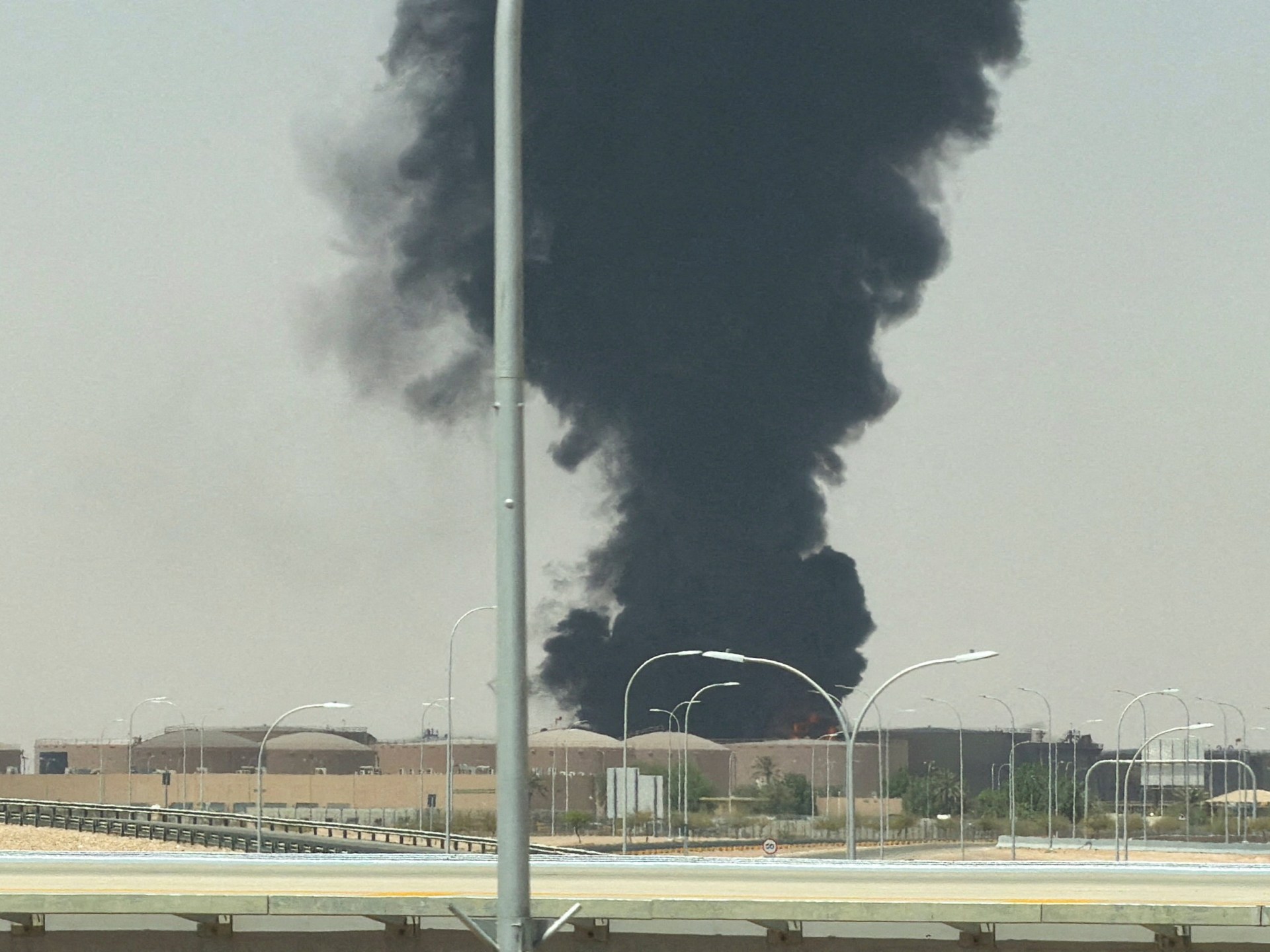
Geopolitical & Core Developments
The conflict in Yemen has crossed a critical threshold following a ballistic missile strike targeting King Khalid International Airport in Riyadh. The Saudi-led military coalition confirmed the interception of the incoming projectile, asserting that the attack originated from Houthi positions within Yemen. This high-profile assault represents a dramatic escalation in capability and intent by the Houthi movement, moving the theatre of direct kinetic confrontation deep into Saudi sovereign territory.
For years, the war in Yemen has remained a protracted regional proxy conflict, devastating local infrastructure and creating one of the world's worst humanitarian crises. However, the targeting of a primary international aviation hub near the Saudi capital signals a dangerous evolution in strategic calculations. State actors and military planners are now forced to re-evaluate the efficacy of existing air defense architectures and the deterrence capabilities of the coalition. The incident underscores the persistent proliferation of advanced missile technology across non-state actors in the region, fundamentally altering the strategic balance and posing immediate threats to civil aviation and metropolitan security.
Global Trade & Economic Ripples
The escalation immediately reverberated through global commodity markets, particularly international crude benchmarks. Traders and energy analysts closely monitor security developments across the Arabian Peninsula due to its centrality in global petroleum production and transit. Although physical oil supplies from Saudi Arabia remained uninterrupted, the inherent risk premium embedded in futures contracts rose sharply following the Riyadh strike.
Beyond energy markets, international shipping lanes, maritime choke points such as the Bab el-Mandeb strait, and regional logistics hubs face heightened threat assessments. Any sustained campaign targeting Saudi infrastructure threatens to disrupt trade flows, elevate maritime insurance premiums, and introduce volatility into currency markets dependent on Gulf sovereign wealth stability. Multinational corporations operating within the Gulf Cooperation Council region are reviewing business continuity plans, wary of potential retaliatory strikes or broader regional destabilization affecting supply chains.
Related Intelligence: Pakistan Reaffirms Security Pact with Saudi Arabia Following Riyadh Attack
International Reactions & Diplomatic Stances
International condemnation was swift, with multilateral bodies and Western allies expressing profound concern over the deteriorating security landscape. The United Nations reiterated its stance that a military solution to the Yemen conflict is unattainable, urging all parties to return to comprehensive political negotiations under the auspices of the UN special envoy.
Western capitals issued statements reaffirming their commitment to Saudi territorial integrity while concurrently pressing for humanitarian access and de-escalation. Diplomatic analysts note that the attack complicates ongoing back-channel peace talks. The Saudi-led coalition's framing of the attack as an act of cross-border aggression backed by external regional adversaries sets the stage for intensified diplomatic standoffs within the United Nations Security Council, where resolutions concerning arms embargoes and accountability face persistent diplomatic friction.
Strategic Outlook & Future Scenarios
As the coalition weighs its military response, the trajectory of the Yemen conflict points toward heightened volatility over the near term. Analysts anticipate a significant intensification of coalition air operations targeting Houthi military positions and supply lines within Yemen, potentially deepening the humanitarian emergency.
Future escalation points hinge on whether similar cross-border strikes persist and how regional intelligence agencies attribute potential state sponsorship of advanced missile systems. Upcoming diplomatic summits in the region will likely prioritize regional security frameworks, missile defense integration, and renewed frameworks for a sustainable ceasefire. However, until a credible political roadmap is established, global markets must price in the persistent risk of asymmetric disruptions originating from the ongoing fragmentation of the Arabian Peninsula.
Join Our Official WhatsApp Channel
Receive live commodity alerts, policy changes, and commercial intelligence directly on WhatsApp.