
Rubio Addresses US Bomber Shift Amid UK Security Investigation
US Secretary of State Marco Rubio insists the withdrawal of American bombers is unrelated to a UK military base security incident during his diplomatic visit to Iceland.
Geopolitical & Core Developments
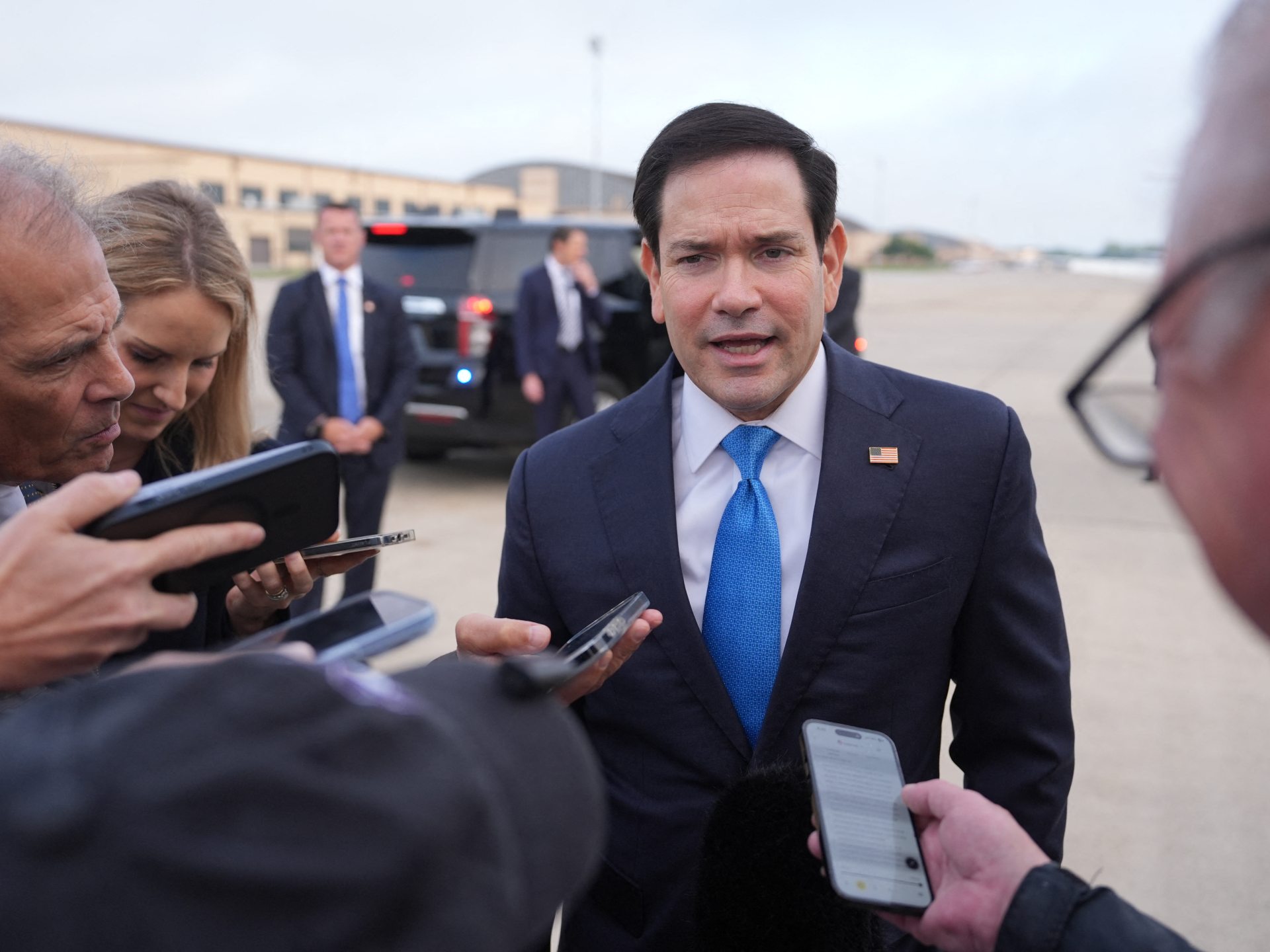
In a high-stakes diplomatic visit to Reykjavik, United States Secretary of State Marco Rubio addressed lingering international speculation regarding a perceived nexus between the relocation of American strategic bombers from key European installations and a recent high-security incident at a Royal Air Force base in the United Kingdom. Speaking to regional and international media, Rubio categorically rejected assertions that the tactical repositioning of United States Air Force assets was a direct reaction to suspected hostile activity or potential terrorist incursions on British soil.
The simultaneous timing of these two defense-related developments had previously triggered widespread concern across intelligence communities, raising questions regarding the integrity of critical military infrastructure across Western Europe. Security analysts and defense attachés had initially speculated that the sudden drawdown or realignment of long-range bomber wings might indicate heightened threat levels or specific vulnerabilities detected within NATO's northern flank. However, Secretary of State Rubio's formal clarification sought to decouple standard strategic fleet rotations from localized security investigations, emphasizing that routine operational adjustments are continuously evaluated independently of emergent criminal or counter-terrorism inquiries.
[Global Trade](/news/black-sea-grain-strike-escalates-maritime-risks-global-trade) & Economic Ripples
While the diplomatic clarification aims to stabilize international perceptions, the underlying intersection of defense posture adjustments and critical supply chain corridors carries substantial weight for global commodity markets. The North Atlantic and the European theater represent vital maritime and aerial transit lanes that underpin transatlantic commerce, energy shipments, and bulk commodity flows. Any sustained ambiguity surrounding the security status of strategic military installations in the United Kingdom and Iceland inevitably introduces a degree of risk premium into maritime insurance and freight logistics.
Global energy markets, already navigating structural volatility stemming from ongoing geopolitical friction in Eastern Europe and the Middle East, remain acutely sensitive to any signals of instability across Northern European choke points. While the current reassurances from Washington have mitigated immediate panic within shipping and energy trading desks, corporate risk managers continue to evaluate contingency protocols. Supply chain resilience in the North Sea and surrounding commercial lanes depends heavily on predictable security frameworks maintained by allied state actors. Consequently, any prolonged uncertainty regarding defense readiness can rapidly translate into inflated bunker fuel costs, altered maritime routing, and heightened volatility in international freight rates.
Related Intelligence: Pentagon Halts Anthropic AI Use Following Supply Chain Risk Designation
International Reactions & Diplomatic Stances
International response to Secretary Rubio's statements has been characterized by careful deliberation among European capitals and multilateral defense organizations. Representatives from North Atlantic Treaty Organization headquarters in Brussels underscored the importance of transparent communication and intelligence sharing among member states during periods of operational transition. European defense ministries have reiterated their commitment to maintaining robust counter-terrorism measures and safeguarding joint military installations against unauthorized access or malicious interference.
Market analysts and geopolitical risk consultancies have noted that while official assurances provide short-term stability, institutional investors demand enduring proof of operational security. Multilateral bodies, including the European Union's security directorates, have emphasized that seamless coordination between US forces and host-nation authorities in the United Kingdom is paramount for deterring asymmetric threats. Diplomatic channels remain active as allied governments seek to harmonize their public messaging and reinforce deterrence postures along the strategic Arctic and North Atlantic corridors.
Strategic Outlook & Future Scenarios
Looking ahead, the trajectory of transatlantic security cooperation will likely be shaped by the outcomes of the ongoing UK base investigations and upcoming high-level defense summits. As NATO prepares for its forthcoming strategic planning sessions, member states are expected to review force protection standards, perimeter security protocols for dual-use facilities, and crisis communication frameworks.
Should the UK security inquiry reveal sophisticated external involvement or systemic vulnerabilities, allied nations may accelerate investments in advanced surveillance, cyber-defense integration, and infrastructure hardening. Conversely, if the incident is classified as a localized security breach, focus will shift back to long-term modernization of strategic deterrence assets. For global markets and international trade, maintaining predictable diplomatic alignment between Washington and London remains an indispensable anchor against unforeseen geopolitical escalation.
Join Our Official WhatsApp Channel
Receive live commodity alerts, policy changes, and commercial intelligence directly on WhatsApp.