
Israel Advances West Bank Reservoir Project Amid Palestinian Water Supply Concerns
Israel's development of the Herod's Pool reservoir in the occupied West Bank threatens Palestinian water access and intensifies regional geopolitical tensions.
Geopolitical & Core Developments
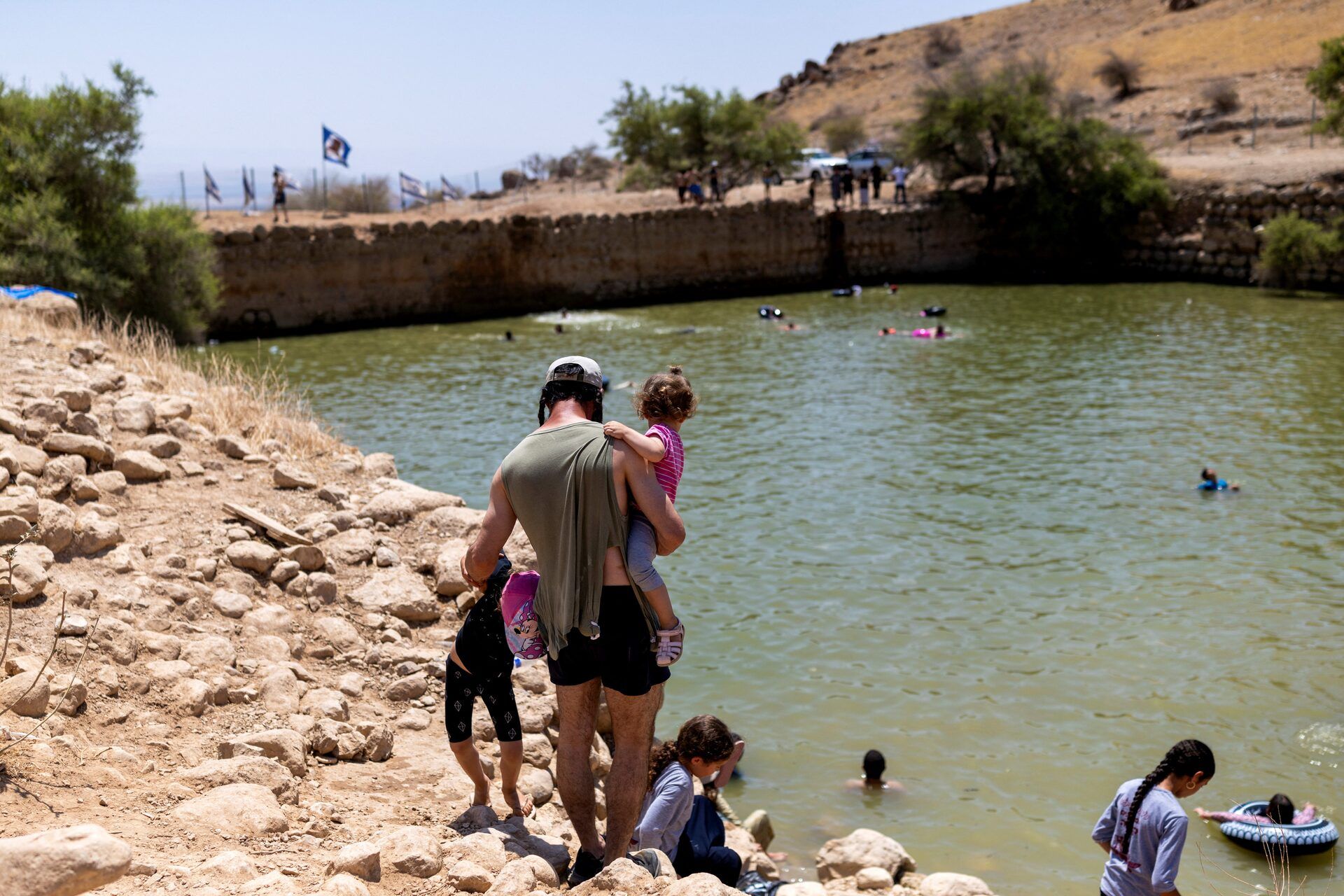
Israel has initiated infrastructural development on the 'Herod's Pool' reservoir located within the occupied West Bank. This strategic undertaking involves redirecting and syphoning water resources that historically served local Palestinian agricultural and residential communities. The development underscores a broader pattern of resource control in the disputed territories, where administrative authority and physical access to critical infrastructure remain deeply contested under international law.
The project, managed through regional Israeli planning authorities, integrates into an expanding network of civil and military infrastructure designed to secure long-term water supplies for Israeli settlements. However, local Palestinian populations report a systematic reduction in their available water allocations, compounding existing humanitarian pressures. The timeline of the project reflects accelerated construction phases despite ongoing legal challenges brought forward by human rights organizations and local municipalities.
[Global Trade](/news/black-sea-grain-strike-escalates-maritime-risks-global-trade) & Economic Ripples
While water infrastructure projects of this scale primarily function as regional utilities, their secondary economic implications resonate across agricultural commodity markets within the Levant. Water scarcity directly undermines the viability of Palestinian agrarian economies, restricting domestic crop yields and shifting supply chain dynamics for regional produce. In broader terms, the capitalization of essential resources in occupied zones attracts scrutiny from international investors adhering to Environmental, Social, and Governance (ESG) criteria.
Multinational firms involved in engineering, procurement, and construction (EPC) sectors face heightened reputational risks when operating in disputed territories. International trade partners monitor these developments closely, as resource sovereignty disputes frequently translate into broader regulatory friction, affecting bilateral trade agreements and cooperative economic initiatives between the European Union, regional governments, and international bodies.
Related Intelligence: Pentagon Halts Anthropic AI Use Following Supply Chain Risk Designation
International Reactions & Diplomatic Stances
The international community has expressed growing concern over unilateral infrastructure expansions in the West Bank. Representatives from the United Nations and various European foreign ministries have reiterated that alterations to resource management in occupied territories violate international humanitarian law, specifically the Fourth Geneva Convention regarding the duties of an occupying power.
Human rights organizations and legal experts argue that the project constitutes an appropriation of public property for the exclusive benefit of the occupying power's civilian population. Conversely, Israeli authorities maintain that the engineering initiatives comply with local regulatory frameworks and address vital regional growth demands. Diplomatic channels remain strained as multilateral bodies deliberate potential mechanisms to enforce compliance with international standards on resource access and property rights.
Strategic Outlook & Future Scenarios
Looking ahead, the development of Herod's Pool serves as a flashpoint for potential diplomatic friction and legal escalations in international courts. Upcoming sessions of regional human rights committees and international legal bodies are expected to review the legality of the water diversion practices. If sustained, these resource pressures risk deepening socio-economic instability in the West Bank, potentially triggering renewed protests and civil unrest.
Market analysts suggest that corporate entities associated with the supply chain of West Bank infrastructure projects will face intensified shareholder scrutiny and potential divestment campaigns. As geopolitical fault lines harden, the intersection of resource security, international law, and regional trade will remain a critical variable in the broader Middle East geopolitical landscape.
Join Our Official WhatsApp Channel
Receive live commodity alerts, policy changes, and commercial intelligence directly on WhatsApp.