
Lamine Yamal Racism Remarks Spark Global Scrutiny Over European Sports Governance
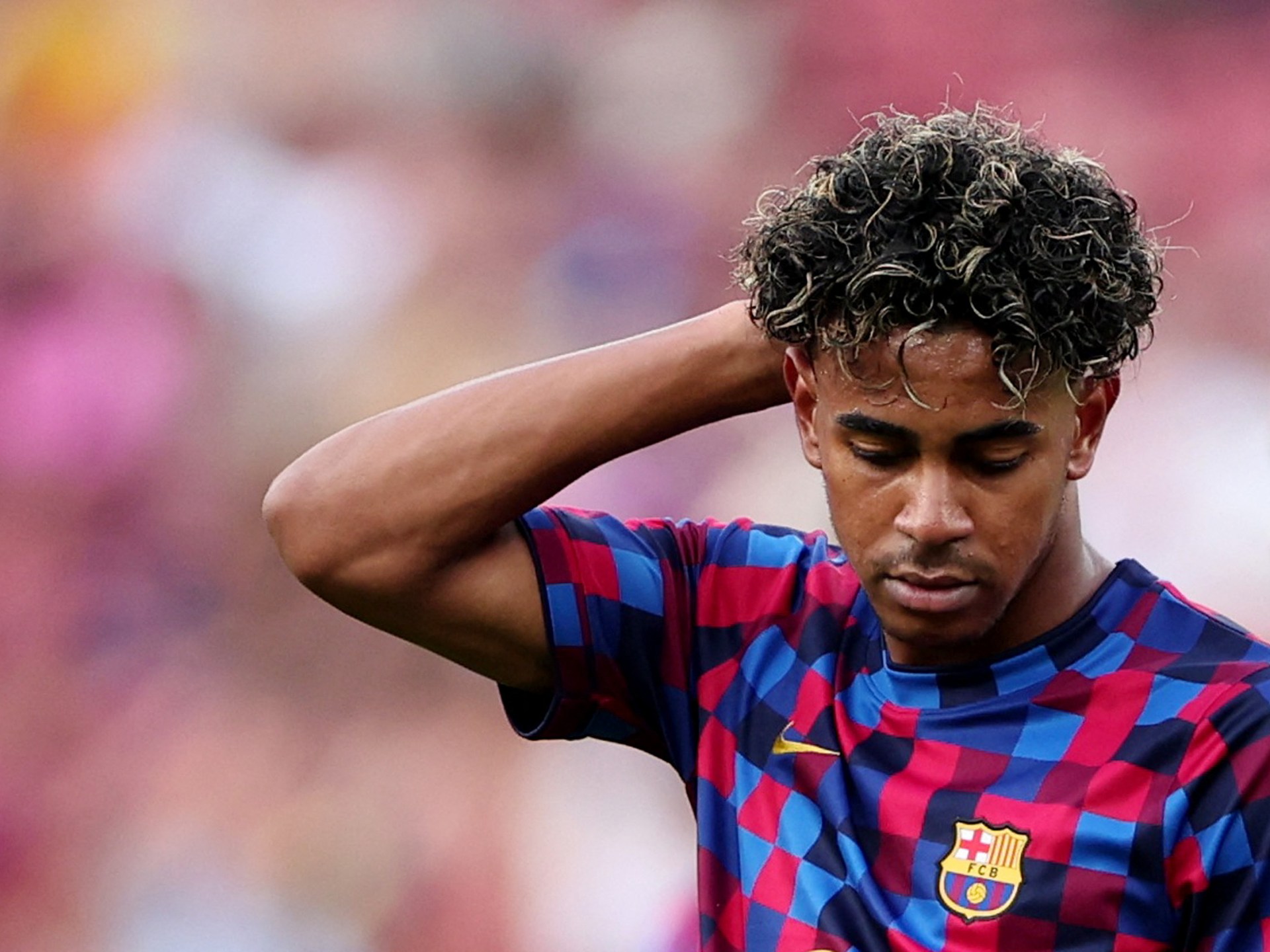
Barcelona forward Lamine Yamal's revelations of pervasive racism have ignited global scrutiny over institutional protections in European sports, exposing commercial and governance challenges ahead of the 2030 World Cup.
Geopolitical & Core Developments
The testimony of FC Barcelona forward and Spanish national team standout Lamine Yamal—who stated he has experienced racism "a thousand times," predominantly from individuals oblivious to their prejudice—has refocused international attention on systemic discrimination within European sports ecosystems. Yamal, a 17-year-old prodigy of Moroccan and Equatorial Guinean heritage who played a decisive role in Spain's UEFA Euro 2024 triumph, personifies the intricate socio-demographic evolution of contemporary Europe. His public remarks arrive at a delicate juncture, as Western European governments grapple with domestic political fragmentation over immigration, integration, and border policies.
Football, functioning as a premier instrument of cultural diplomacy and international soft power, increasingly reflects deep-seated societal tensions. Spain, which has already faced acute diplomatic and public relations blowback over recurring racial abuse directed at foreign players, finds its regulatory framework under renewed scrutiny. Yamal's perspective is particularly consequential given his dual heritage, symbolizing the cultural and diplomatic bridges between Madrid and Rabat. The persistent prevalence of everyday hostility underlines the limitations of existing institutional mechanisms in insulating minority athletes from societal friction, turning domestic sports governance into a focal point of international debate.
Global Trade & Economic Ripples
While rooted in human rights and social cohesion, recurring incidents of discrimination within elite European athletics carry tangible commercial ramifications across global markets. The modern sports economy represents a multi-billion-dollar global industry anchored by broadcast distribution deals, commercial licensing, and international corporate sponsorships. As institutional investors and multinational brands enforce stringent Environmental, Social, and Governance (ESG) standards, systemic reputational liabilities in host nations risk depressing commercial valuation.
Global corporate sponsors, operating under strict brand-safety mandates, are increasingly wary of association with leagues perceived as slow to combat xenophobia. Market analysts observe that reputational contagion can disrupt broadcast syndication revenues, particularly in high-growth consumer territories across Africa, Asia, and the Middle East, where audience sentiment is acutely sensitive to systemic bias. Furthermore, Spain is currently preparing to co-host the 2030 FIFA World Cup alongside Morocco and Portugal. This mega-event involves billions of euros in anticipated cross-border infrastructure, hospitality developments, and tourism-driven capital inflows. Lingering concerns over public order, safety, and discrimination could increase risk premiums on major international contracts and affect sovereign brand equity.
Related Intelligence: IHC Rules Protest Disruptions Breach Fundamental Rights and Constitution
International Reactions & Diplomatic Stances
Yamal's statements have reverberated across sports federations and multilateral bodies. Representatives linked to the United Nations Human Rights Office have repeatedly emphasized that sports institutions bear an affirmative duty to enforce zero-tolerance frameworks, warning that passive regulation fosters toxic public environments. European Union bodies monitoring racial equality have urged national football associations to standardize hate speech reporting and institute concrete legal recourse against offenders.
Domestically, Spanish sports authorities and the Royal Spanish Football Federation (RFEF) have pointed to updated regulatory protocols, including enhanced stadium surveillance and expedited referral of offenders to civil prosecutors. However, players' associations and international observers maintain that existing financial penalties remain inadequate deterrents compared to severe athletic sanctions, such as point deductions or extensive stadium bans. FIFA and UEFA leadership have faced continued pressure to enforce uniform disciplinary thresholds across all member associations to ensure athletes receive equitable protection irrespective of domestic legal variations.
Strategic Outlook & Future Scenarios
The strategic trajectory of international sports administration points toward mandatory integration of heightened compliance and social standards. In the near term, corporate partners are expected to demand explicit contractual contingencies that permit unilateral disengagement or financial penalties if host federations fail to address systemic discrimination. Such measures will compel governing bodies to transition from symbolic awareness initiatives toward aggressive legal and regulatory deterrence.
Over the medium term, the joint organization of the 2030 World Cup will subject Spain, Portugal, and Morocco to sustained international auditing concerning civil rights, public conduct, and stadium operations. Should administrative bodies fail to eradicate normalized hostility, European leagues risk alienating premier international talent, diminishing cross-border media rights valuations, and weakening the credibility of European sports diplomacy on the world stage.
Join Our Official WhatsApp Channel
Receive live commodity alerts, policy changes, and commercial intelligence directly on WhatsApp.